Browse every Paso Robles winery
Search by name or scroll the full list. Click any winery for its guide, the wines, and how to visit.
By The Popular Wines Tasting Team. Last updated June 2026.
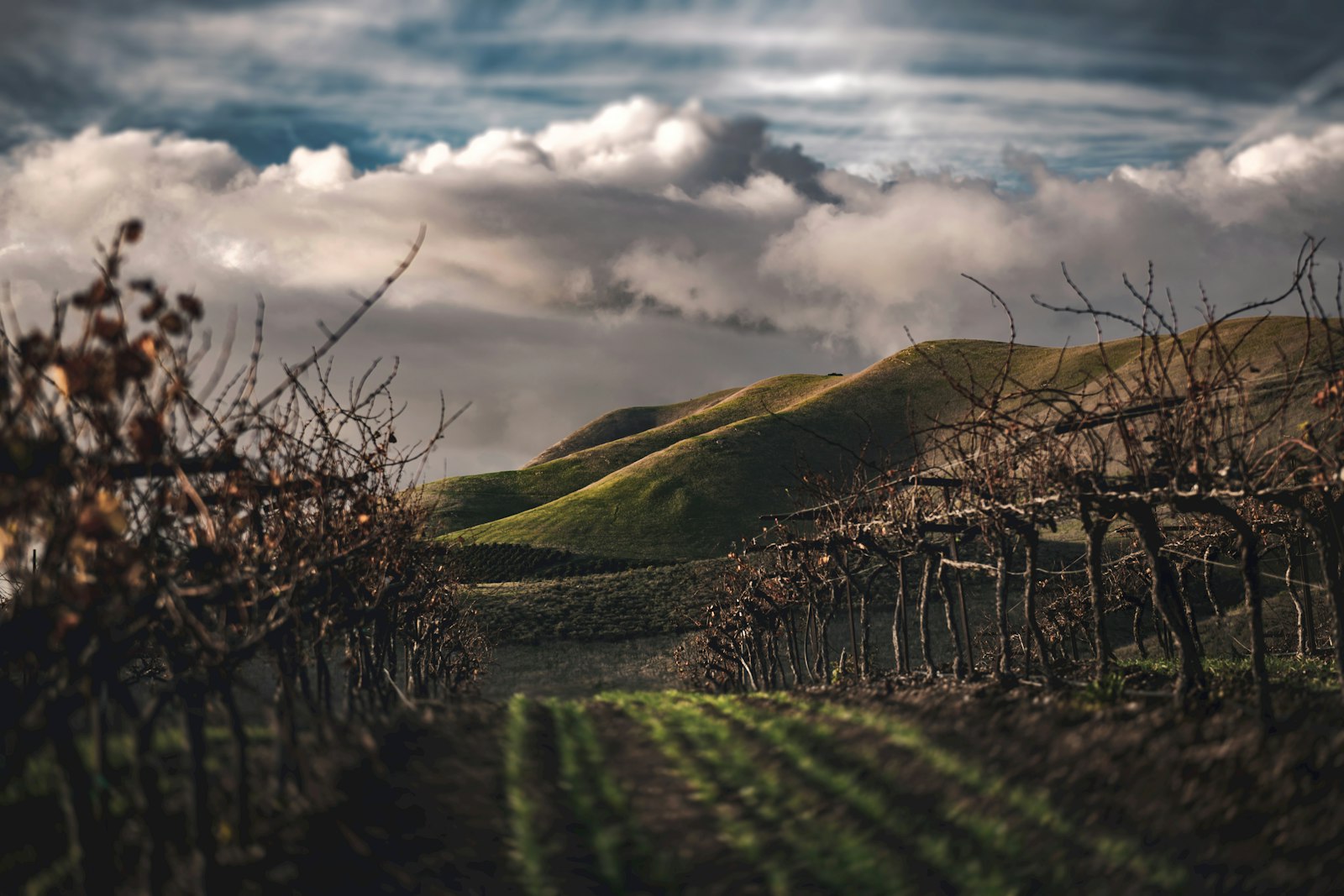
Drive inland from the Pacific on Highway 46 and the light changes. The fog burns off, the hills turn the color of a lion’s coat, and rows of gnarled Zinfandel give way to Syrah, Grenache, and Cabernet planted on chalk-white limestone.
This is Paso Robles, the sprawling, sun-soaked center of California’s Central Coast. Halfway between Los Angeles and San Francisco, it is the largest wine appellation in the state and, over the last thirty years, one of the fastest rising. The wines are generous and warm-hearted, built on big diurnal swings and ancient seabed soils, and the welcome is the opposite of stuffy. Paso is where serious winemaking met a frontier sense of freedom, and the result is a region that does Rhône blends, Cabernet, and Zinfandel with equal conviction.
Paso Robles wine comes from one of California’s most diverse growing regions, a high-desert plateau in San Luis Obispo County where 60-degree daily temperature swings concentrate flavor in the grape. The region produces more than 60 wine varieties across 11 sub-AVAs, with Zinfandel, Cabernet Sauvignon, and Rhone varieties leading production. More than 200 wineries operate here, from historic estate vineyards on the west side to bold, fruit-forward bottlings on the hotter east side.
From Mission Vines to a Rhone Revolution: The History of Paso Robles Wine
Wine has grown here since the Franciscan padres founded Mission San Miguel Arcángel in 1797 and planted the first vineyards a few miles north of present-day Paso Robles. Commercial winemaking began in 1882, when Andrew York established the Ascension Winery, later York Mountain, and introduced Zinfandel to the hills west of town. In 1914 the Polish pianist and statesman Ignacy Jan Paderewski bought a ranch on the Adelaida slopes and planted Zinfandel and Petite Sirah, sending his fruit to wines that won medals before Prohibition closed the cellars.
For most of the twentieth century Paso stayed a place of dry-farmed Zinfandel, almond orchards, and cattle. The turn came in 1989, when importer Robert Haas and the Perrin family of Château de Beaucastel in Châteauneuf-du-Pape went looking for the closest thing in America to the limestone soils of the southern Rhône. They found it on the west side of Paso and founded Tablas Creek, importing cuttings of Mourvèdre, Grenache, Syrah, and Roussanne directly from Beaucastel. Those vines, and the nursery Tablas built around them, seeded a Rhône movement that now defines the region.
The Rhône Rangers had found their California home, and the wine world was about to notice.
By the late 1990s it had. Justin Baldwin, who founded Justin Vineyards in 1981, saw his Bordeaux-style Isosceles named one of the top wines on earth. Stephan Asseo left a winemaking family in Bordeaux for the freedom of Paso and built L’Aventure into a cult name. Justin Smith’s Saxum, from his family’s James Berry Vineyard, earned a 100-point reputation and Wine Spectator’s Wine of the Year for the 2007 vintage. Today more than two hundred wineries work these hills, and the Daou brothers’ mountain Cabernets draw comparisons to Napa at a fraction of the price.
Answer a few quick questions and get your wine personality, your best food pairings, and a wine-country day to match.
Start the quizThe widest temperature swing in California
Paso Robles owns the largest day-to-night temperature swing of any appellation in the state. Summer afternoons climb past 100 degrees, then ocean air slips through the Templeton Gap, a low break in the Santa Lucia Range, and drops the temperature 40 to 50 degrees by dawn. Grapes ripen fully in the heat but hold their acid in the cold, and that tension is the secret behind Paso’s combination of power and freshness.
Underfoot, the west side is built on calcareous limestone and fossilized seabed, the same chalky, alkaline soil that runs beneath Châteauneuf-du-Pape and parts of Burgundy. It stresses the vine, holds a little water through the dry summer, and gives the wines a mineral spine. The AVA itself is enormous, more than 600,000 acres with around 32,000 planted to vine, climbing from 700 feet on the valley floor to 2,400 feet in the western hills. That scale is exactly why, in 2014, growers divided Paso into eleven distinct sub-appellations.
Zinfandel heritage, Cabernet crown, Rhône soul
Three threads run through every great Paso cellar. Zinfandel is the heritage grape, planted in the 1880s and still made from old dry-farmed vines that taste of brambleberry and sun-warmed earth. Cabernet Sauvignon is now the most planted variety and the region’s commercial engine, ripe and generous, with the mountain sites turning out serious, age-worthy bottles. And the Rhône varieties, led by Syrah, Grenache, and Mourvèdre, are Paso’s soul, blended into the GSM reds and rich whites that first made critics look west. If you want one wine that says Paso, it is a warm, structured Rhône blend grown on limestone.
The eleven districts of Paso Robles
In 2014 growers divided California’s largest appellation into eleven sub-AVAs, each a distinct mix of soil, elevation, and ocean influence.
Adelaida District
High, cool, limestone-rich hills on the far west side. Home to Tablas Creek and the Daou estate, and some of Paso’s most age-worthy reds.
Willow Creek District
Steep calcareous slopes between town and the coast. Saxum and L’Aventure country, prized for Rhône and Bordeaux blends.
Templeton Gap District
Named for the break in the mountains that funnels ocean air inland. Cooler nights and balanced, fresher reds.
Santa Margarita Ranch
The southernmost and coolest district, on a historic Spanish land-grant ranch near San Luis Obispo.
El Pomar District
Gentle benchland in the center of the AVA, with even ripening and supple, food-friendly wines.
Creston District
Rolling high-elevation grassland on the southeast side. Bright, structured reds with good acidity.
Geneseo District
Warm alluvial terraces east of the Salinas River, long a source of Zinfandel and Cabernet.
Estrella District
The broad, warm northeastern plain where much of Paso’s volume is grown.
Highlands District
The hottest, highest, driest corner in the east. Bold, sun-soaked fruit at elevation.
San Juan Creek
Warm, remote eastern terraces along the old creek bed.
San Miguel District
The northern district around the historic mission, warm and fed by the Salinas River.
| District | Location | Style |
|---|---|---|
| Adelaida District | West, high limestone hills | Cooler sites, Rhone and Cabernet |
| Willow Creek District | West | Limestone soils, benchmark Rhone reds |
| Templeton Gap District | West-central | Ocean air through the gap, balanced reds |
| Santa Margarita Ranch | Far south | Coolest and highest, Rhone and Bordeaux |
| El Pomar District | Central | Moderate, versatile reds |
| Creston District | Southeast | Warm, high-elevation reds |
| San Juan Creek | East | Hot and dry, ripe reds |
| Geneseo District | Central-east | Warm valley floor, Cabernet and Zinfandel |
| Estrella District | Northeast | Warm and flat, Cabernet and Zinfandel |
| San Miguel District | North | Warm, along the Estrella River |
| Paso Robles Highlands District | Far east | Hot, high, and dry |
The grapes that define Paso
Bordeaux power, Rhône soul, and old-vine Zinfandel, all on the same warm hills.
Wineries that put Paso on the map
From the pioneers who planted the first Rhône cuttings to the mountain estates rivaling Napa.
Tablas Creek
The Beaucastel partnership that brought the Rhône to Paso. Organic, biodynamic, and endlessly influential through its vine nursery.
Justin Vineyards
Founded in 1981; the Bordeaux-style Isosceles blend put Paso on the world map and remains its benchmark Cabernet blend.
DAOU Vineyards
Brothers Daniel and Georges Daou’s mountaintop estate in the Adelaida hills, with Cabernets compared to Napa’s best.
L’Aventure
Stephan Asseo’s cult Bordeaux-and-Rhône blends from Willow Creek, made with Old World rigor and Paso ripeness.
Saxum
Justin Smith’s allocation-only, 100-point reds from the storied James Berry Vineyard. A waitlist, not a tasting room.
Booker Vineyard
Eric Jensen’s acclaimed, Rhône-focused west-side estate and one of Paso’s most sought-after visits.
Eberle Winery
Gary Eberle, a founding father of Paso Robles wine, who planted some of the region’s first Syrah and still pours in caves beneath the vines.
Halter Ranch
A historic Adelaida ranch turned sustainable estate with a deep bench of Bordeaux and Rhône bottlings.
Where to eat, taste, and stay
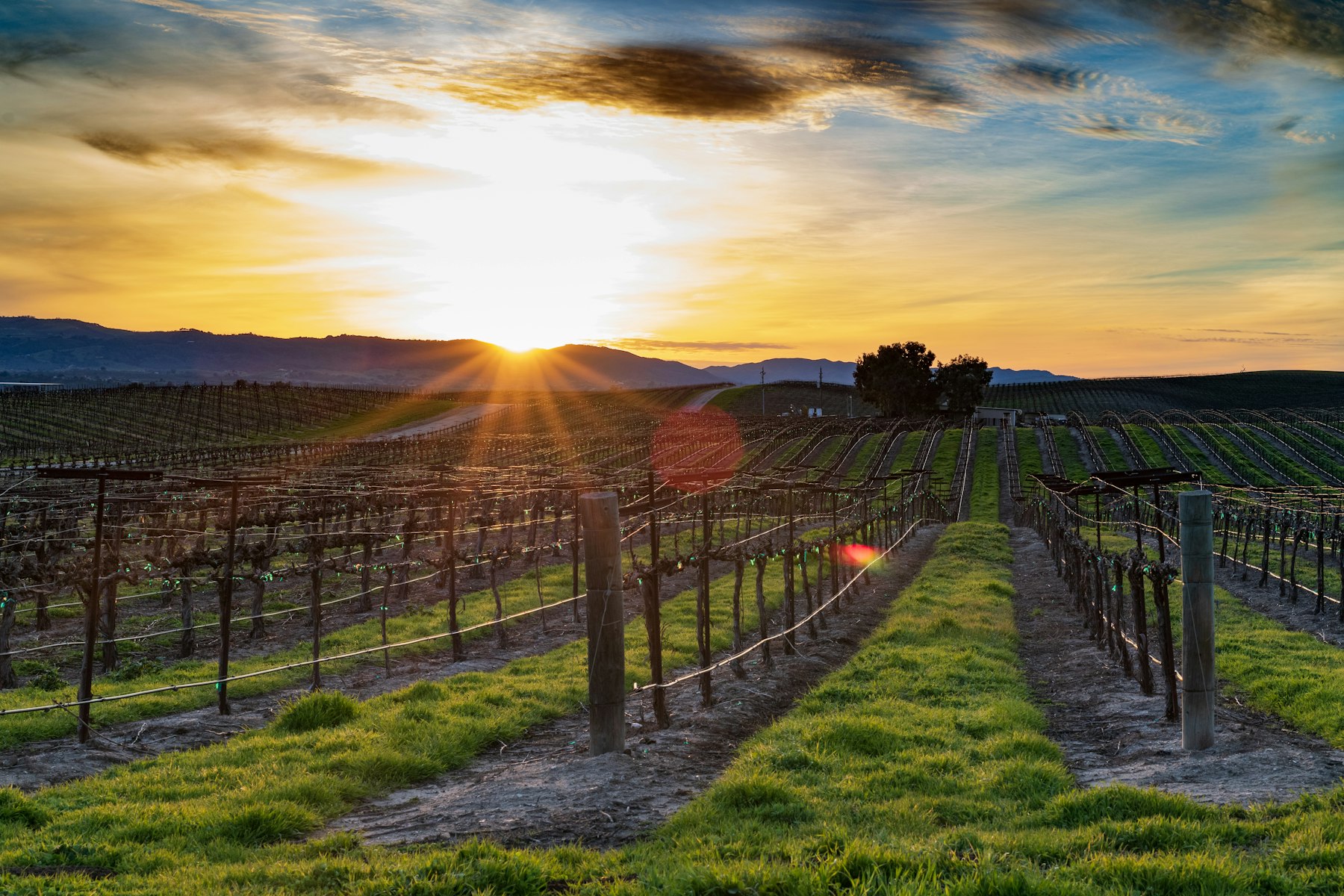
Paso wears its wealth lightly. The heart of town is a leafy downtown square, City Park, ringed by tasting rooms, the historic 1891 Paso Robles Inn, and kitchens that cook from the farms and ranches around them. A few miles south in Templeton, Tin City is a cluster of warehouses turned into one of the most fun tasting destinations in California, packed with small wineries, distillers, and brewers you can walk between in an afternoon.
The land grows more than grapes. Mills like Pasolivo press world-class olive oil from the same limestone hills, almond orchards line the valley, and the farmers markets fill with strawberries, stone fruit, and tri-tip smoking over red oak. Come hungry, drive the back roads of the Adelaida and Willow Creek hills at golden hour, and plan to stay the night.
| Category | Details |
|---|---|
| Location | San Luis Obispo County, California Central Coast |
| Sub-AVAs | 11 distinct districts, from Adelaida to Templeton Gap |
| Top varieties | Cabernet Sauvignon, Zinfandel, Syrah, Grenache, Chardonnay, Viognier |
| Climate signature | 60-degree diurnal swing: hot days, cold nights |
| West side vs east side | West: limestone soils, cooler temps, structured wines; East: alluvial soils, more fruit-forward |
| Number of wineries | 200+ across the appellation |
| Best time to visit | Spring (March-May) and fall harvest (September-November) |
West side or east side: choosing a Paso bottle
The single most useful thing to know about Paso Robles is the split between its two halves. The west side, climbing into limestone hills toward the coast, is cooler and is where the Rhone grapes and the most structured, mineral wines come from. The east side, flatter and hotter, ripens generous Cabernet Sauvignon and Zinfandel. Once you know which side a wine comes from, you know most of what it will taste like.
East-side Cabernet
The crowd-pleaser. Houses like Justin, Daou, and J. Lohr built Paso’s Cabernet reputation, offering ripe, polished reds that drink well young.
West-side Rhone
For the soul of Paso, chase a Rhone red from a west-side specialist like Tablas Creek, Saxum, L’Aventure, or Booker. Some of the most exciting Syrah and Grenache blends in the country.
Paso blends and Zinfandel
Bottles labeled simply Paso Robles, and the region’s old-vine Zinfandel, deliver big flavor for the money. Hope Family and Vina Robles are reliable starts.
Whatever you open, Paso’s reds love the grill. Pour a Cabernet with a ribeye, a Syrah with lamb or tri-tip, and a Zinfandel with smoky barbecue. For more matches, try our wine pairing generator, and see the wider picture in our California red wine guide.
Paso Robles wine FAQ
What is Paso Robles known for in wine?
How many wineries and AVAs are in Paso Robles?
Is Paso Robles better for Cabernet or Rhône wines?
What makes Paso Robles terroir special?
How far is Paso Robles from the coast and other wine regions?
What grapes is Paso Robles known for?
What is the difference between Paso Robles’ east side and west side?
Is Paso Robles wine good value?
Find your Paso bottle
Not sure where to start? Take our two-minute quiz and we will match you to the Paso wine, and the region, you will love.
Take our quick quiz to find your style, your best food pairings, and a wine-country day to match.
Take the quizRelated reading
All Paso Robles Wineries
- Aaron Wines | Paso Robles
- Absolution Cellars | Paso Robles
- Adelaida District Wine: Paso Robles West Side Wineries
- Adelaida Vineyards & Winery | Paso Robles
- Allegretto Wines | Paso Robles
- Alta Colina Vineyard & Winery | Paso Robles
- Ancient Peaks Winery | Paso Robles
- Arbuckle Ridge | Paso Robles
- Asuncion Ridge Vineyards | Paso Robles
- Austin Hope Wines | Paso Robles
- B & E Vineyard & Winery | Paso Robles
- Barton Family Wines and Grey Wolf Cellars | Paso Robles
- Bella Luna Estate Winery | Paso Robles
- BENOM | Paso Robles
- Bethel Rd. Distillery & Winery | Paso Robles
- Bianchi Winery | Paso Robles
- Bodega de Edgar | Paso Robles
- Bon Niche Cellars | Paso Robles
- Booker Vineyard and Winery | Paso Robles
- Boutz Cellars | Paso Robles
- Bovino Vineyards | Paso Robles
- Brecon Estate | Paso Robles
- Brochelle Vineyards | Paso Robles
- Bushong Vintage Company | Paso Robles
- Cab House at Hansen Vineyards | Paso Robles
- Caelesta Wines, Vineyard, and Truffiere | Paso Robles
- Cairjn Wine Cellars | Paso Robles
- Calcareous Vineyard | Paso Robles
- CaliPaso Winery
- Caliza Winery | Paso Robles
- Cass Winery | Paso Robles
- Castoro Cellars | Paso Robles
- Ciento Cellars | Paso Robles
- Clesi Wines | Paso Robles
- Cloak & Dagger Wines | Paso Robles
- Clos Solene | Paso Robles
- Copia Vineyards | Paso Robles
- Cordant Winery | Paso Robles
- Crazy Woman Cellars | Paso Robles
- Creekcut Wines | Paso Robles
- Creston District Wine: Southeast Paso Robles
- Croad Vineyards | Paso Robles
- CRUSH Vineyard | Paso Robles
- Cutbow Wines | Paso Robles
- Dark Star Cellars | Paso Robles
- Decemil Estate Wines | Paso Robles
- Defiance Vineyard | Paso Robles
- Denner Vineyards | Paso Robles
- Derby Wine Estates | Paso Robles
- Desparada Wines | Paso Robles
- Dilecta Wines | Paso Robles
- Donati Family Vineyard | Paso Robles
- Dresser Winery | Paso Robles
- Dunning Vineyards Estate Winery | Paso Robles
- Eberle Winery | Paso Robles
- Ecluse Wines | Paso Robles
- El Pomar District Wine: Paso Robles Wineries
- End of the Day Wines | Paso Robles
- Epoch Estate Wines | Paso Robles
- Estrella District Wine: Paso Robles Cabernet & Zinfandel
- Field Recordings. | Paso Robles
- Four Lanterns Winery | Paso Robles
- Fratelli Perata | Paso Robles
- Fulldraw Vineyard | Paso Robles
- Geneseo District Wine: Paso Robles Wineries
- Giornata | Paso Robles
- Glunz Family Winery & Cellars | Paso Robles
- Grosso Kresser Vineyard | Paso Robles
- Guyomar Wine Cellars | Paso Robles
- Halter Ranch | Paso Robles
- Hawks Hill Ranch Winery | Paso Robles
- Hearst Ranch Winery | Paso Robles
- Herman Story Wines | Paso Robles
- High Camp Wines | Paso Robles
- Hoyt Family Vineyards | Paso Robles
- Hubba Wines | Paso Robles
- Hunt Cellars | Paso Robles
- ídola wine co. | Paso Robles
- Indigené Cellars | Paso Robles
- J Dusi Wines | Paso Robles
- J. Lohr Vineyards & Wines | Paso Robles
- Jack Creek Cellars | Paso Robles
- Jada Vineyard and Winery | Paso Robles
- Kaleidos | Paso Robles
- Keplinger Wines | Paso Robles
- Kiamie Wine Cellars | Paso Robles
- Kiler Canyon Vineyard | Paso Robles
- kukkula | Paso Robles
- Kula Vineyards & Winery | Paso Robles
- L’Aventure Winery | Paso Robles
- Laetitia Vineyard & Winery
- Law Estate Wines | Paso Robles
- Le Cuvier Winery | Paso Robles
- Le Vigne Winery | Paso Robles
- Ledge Vineyards | Paso Robles
- Linne Calodo Cellars | Paso Robles
- Little Soul | Paso Robles
- Lone Madrone | Paso Robles
- Lopai Cellars | Paso Robles
- LXV Wine | Paso Robles
- Marin’s Vineyard | Paso Robles
- McPrice Myers Wines | Paso Robles
- MCV Wines | Paso Robles
- mid-point winery | Paso Robles
- Misty Oaks Vineyards | Paso Robles
- Mitchella Vineyard & Winery | Paso Robles
- Moose Mountain Vineyards | Paso Robles
- Nenow Family Wines | Paso Robles
- Niner Wine Estates | Paso Robles
- Nix Cellars | Paso Robles
- ONX Wines | Paso Robles
- Opolo Vineyards | Paso Robles
- Oso Libre Winery | Paso Robles
- Paix Sur Terre | Paso Robles
- Paris Valley Road Estate Winery | Paso Robles
- Parrish Family Vineyard | Paso Robles
- Paso Robles Highlands: High-Elevation Wine Frontier
- PasoPort and Per Caso Cellars
- Peachy Canyon Winery | Paso Robles
- Pelletiere Estate Vineyard and Winery | Paso Robles
- Penman Springs Vineyard | Paso Robles
- PIUS Estates | Paso Robles
- Rava Wines + Events | Paso Robles
- Red Door Ranch Vineyards | Paso Robles
- Riboli Family Wines | Paso Robles
- RN Estate Vineyard & Winery | Paso Robles
- Robert Hall Winery | Paso Robles
- Rockbound Cellars | Paso Robles
- Rosten Wines | Paso Robles
- Ruakh Wines | Paso Robles
- San Juan Creek Wine: Paso Robles Eastern AVA
- San Miguel District Wine: Northern Paso Robles
- San Simeon Estate | Paso Robles
- Sans Liege Wines | Paso Robles
- Santa Margarita Ranch Wine: Paso Robles Southern AVA
- Saxum Vineyards | Paso Robles
- Sea Shell Cellars | Paso Robles
- Serial Wines | Paso Robles
- Seven Angels Cellars | Paso Robles
- Seven Oxen Estate Wines | Paso Robles
- Sextant Wines | Paso Robles
- Shale Oak Winery | Paso Robles
- Silver River Vineyards | Paso Robles
- Sixmilebridge Winery | Paso Robles
- Songs by Bodega de Edgar | Paso Robles
- Stiekema Wine Company | Paso Robles
- Still Waters Vineyards | Paso Robles
- Stilson Cellars | Paso Robles
- Stolo Vineyards | SLO Coast
- SummerWood Winery | Paso Robles
- Templeton Gap District Wine: Cool-Climate Paso Robles
- Thacher Winery | Paso Robles
- The Blending Lab Winery | Paso Robles
- The Fableist Wine Co. | Paso Robles
- Thibido Winery | Paso Robles
- Tobin James Cellars | Paso Robles
- Torrin | Paso Robles
- TRUSS Wines | Paso Robles
- Turley Wine Cellars | Paso Robles
- Turtle Rock Vineyards | Paso Robles
- Ulloa Cellars | Paso Robles
- Ultima Tulie | Paso Robles
- V1NO JUAN | Paso Robles
- Venteux Vineyards | Paso Robles
- Verdad & Lindquist Family Wines
- Victor Hugo Winery | Paso Robles
- Vigo Cellars | Paso Robles
- Villa Creek Cellars and MAHA Estate | Paso Robles
- Villa San Juliette | Paso Robles
- Villicana Winery | Paso Robles
- Vina Robles | Paso Robles
- Vinyl Vineyards | Paso Robles
- Volatus | Paso Robles
- Willow Creek Wine Co. | Paso Robles
- York Mountain Wine: Paso Robles Oldest AVA
- ZANOLI Wines | Paso Robles
- Zobeto Wines | Paso Robles