By The Popular Wines Tasting Team. Last updated June 2026.
Pour a glass of Santa Barbara wine and you are tasting a geological accident. Almost everywhere else on the Pacific coast the coastal mountains run north to south, walling the vineyards off from the sea. Here, between the Santa Ynez and San Rafael ranges, the land opens straight to the ocean. Cold air and fog pour through that gap every afternoon and roll for miles up the valley floor.
The result is a county that behaves like several wine regions at once. Near the coast it is colder than almost anywhere in California, the realm of nervy Chardonnay and perfumed Pinot Noir. Drive forty minutes inland and the fog runs out of reach, the afternoons climb into the nineties, and the same county ripens Cabernet Sauvignon and Syrah. That range, packed into one county, is the whole story of Santa Barbara wine. For the bigger picture, see our guide to California wine and its regions.
Santa Barbara wine comes from a unique east-west mountain gap in California’s Central Coast that channels Pacific Ocean air directly into the vineyards, creating one of the coldest growing climates in the state despite its southern latitude. The county contains seven distinct AVAs, with Pinot Noir and Chardonnay dominating the fog-cooled west and Syrah, Grenache, and Cabernet Sauvignon thriving in the warmer interior valleys. The region has more than 200 wineries, a walkable urban tasting district called the Funk Zone, and five distinct towns to explore across Santa Ynez Valley wine country.
Why Santa Barbara Grows Great Wine: Climate and Geography
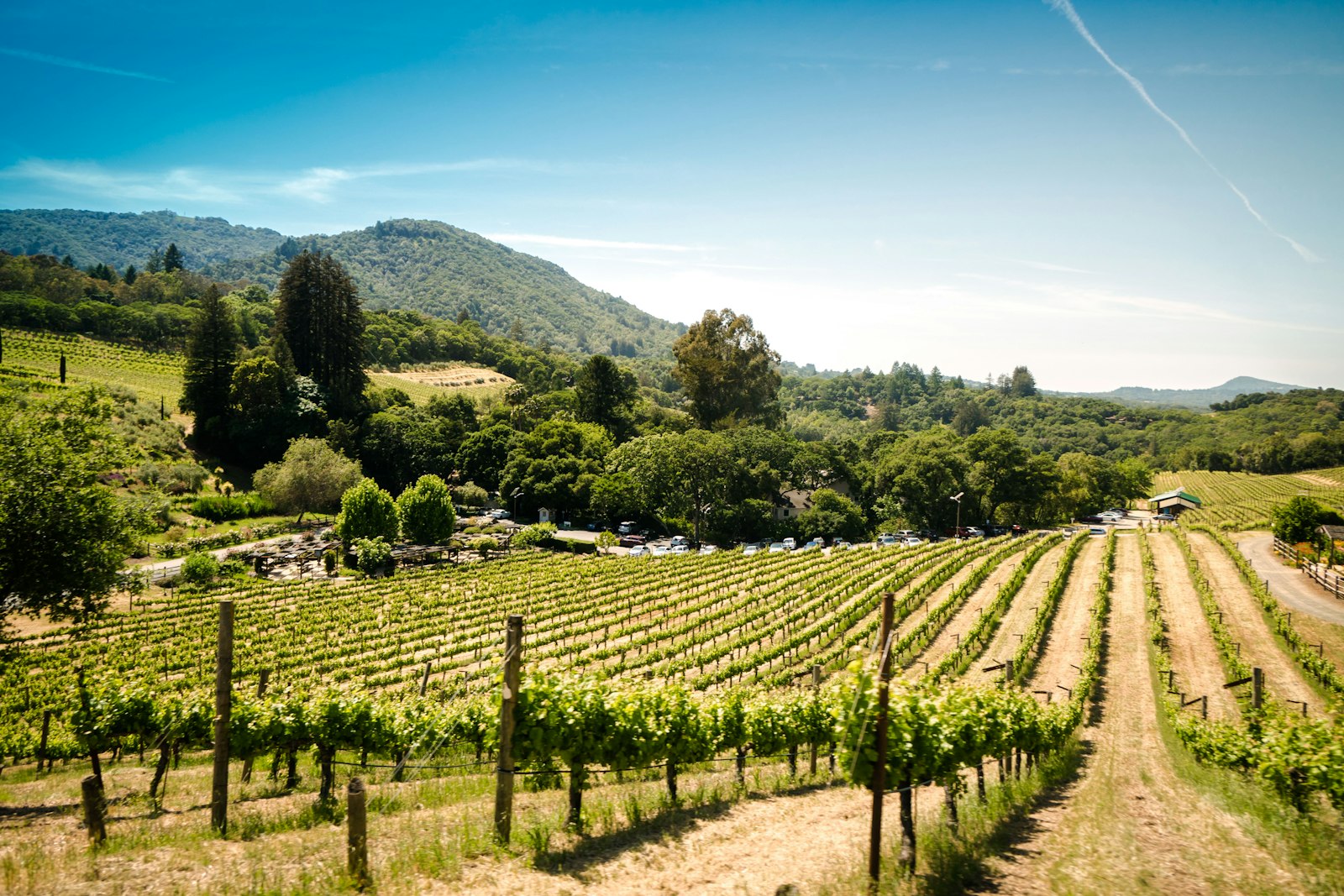
The engine is the marine layer. A cold current runs down the California coast and chills the air above it into fog. Where the transverse valleys open to the sea, that fog gets pulled inland through the afternoon and sits over the vines well into the next morning, often not burning off until ten o’clock. Cool nights and fog-shaded mornings slow the grapes down, stretching the growing season so fruit can ripen slowly and hold onto its acidity. Harvest here can run into late October, weeks after warmer parts of the state are done.
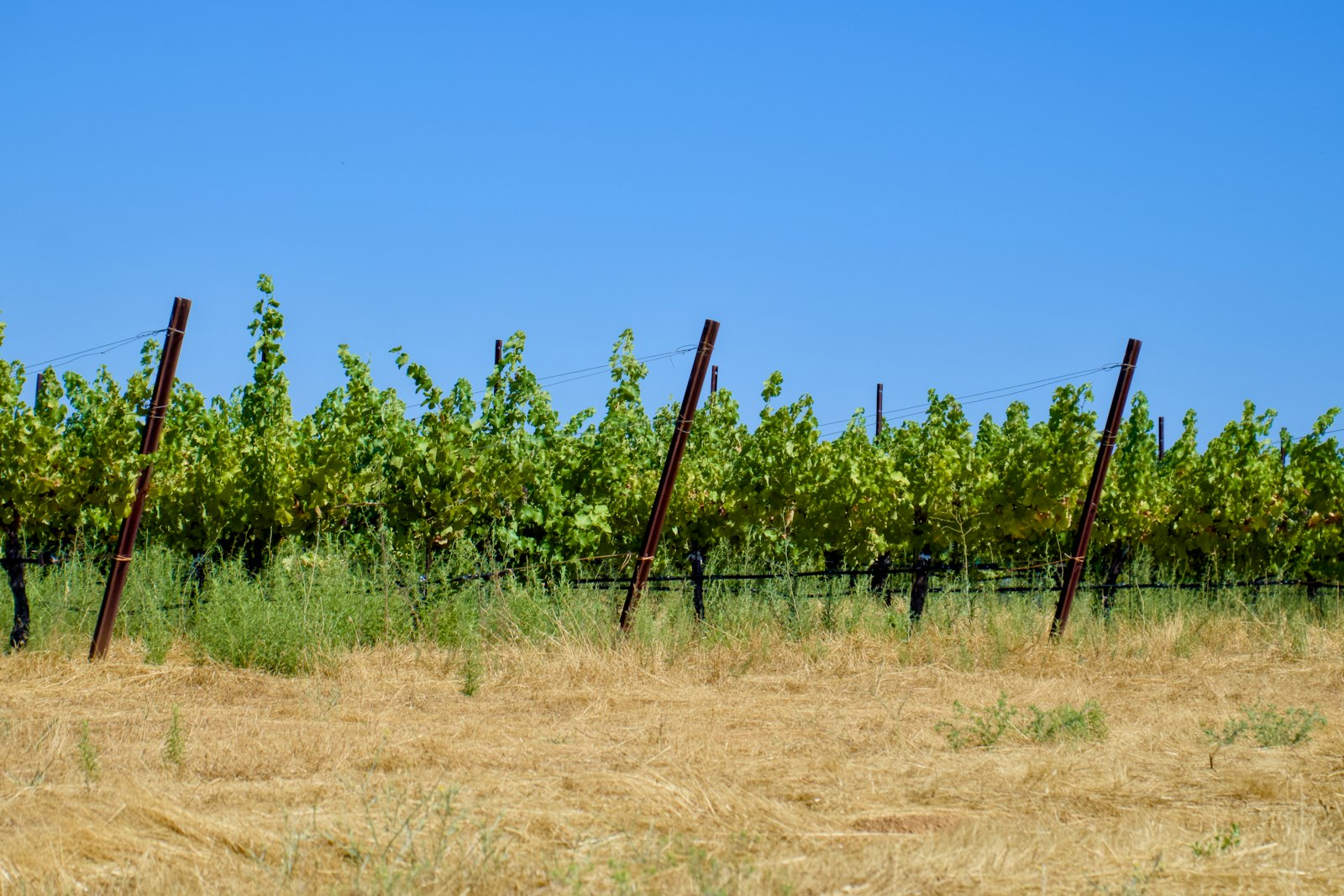
Temperature is the lever, and it changes block by block. The far western vineyards near Lompoc sit in near-constant ocean chill. Move east and every mile adds warmth, until the fog gives out entirely at Happy Canyon in the far northeast, where afternoons are hot and dry. Soils add another layer: pockets of marine limestone and diatomaceous earth that lock in acidity and concentration, sandy benches that give lighter, fruit-driven wines, and clay loams that hold water for the vines through the dry summer. Cool air, a long season, and lean soils are the recipe behind the region’s signature freshness.
| AVA | Climate | Best For |
|---|---|---|
| Sta. Rita Hills | Coldest, heavy fog from the Pacific | Pinot Noir, Chardonnay |
| Santa Ynez Valley | Moderate, warming east | Rhone varieties, Sauvignon Blanc |
| Los Olivos District | Warm days, cool nights | Syrah, Grenache, Cabernet Franc |
| Ballard Canyon | Warm and sheltered | Benchmark Syrah |
| Happy Canyon | Warmest in the county | Cabernet Sauvignon, Bordeaux blends |
| Santa Maria Valley | Very cool, heavy marine influence | Pinot Noir, Chardonnay |
| Alisos Canyon | Transitional, moderate | Rhone varieties |
The Seven AVAs of Santa Barbara County
Santa Barbara County holds seven federally recognized growing areas, each with its own climate and signature grapes, plus a couple of emerging zones worth knowing. They line up roughly from cool and coastal in the west to hot and dry in the east.
Santa Maria Valley
Sta. Rita Hills
Santa Ynez Valley
Ballard Canyon
Happy Canyon
Los Olivos District
Alisos Canyon
Two more spots earn a mention. Lompoc’s “Wine Ghetto,” a cluster of working tasting rooms in a converted business park, is one of the best places anywhere to taste Sta. Rita Hills wine straight from the people who make it. And the cool-to-moderate Los Alamos Valley, just to the north, is quietly turning out fine Chardonnay and Pinot Noir. To see how the county fits the broader state, our California red wine guide covers the reds in more depth.
The Signature Grapes of Santa Barbara Wine
Two grapes define Santa Barbara, and a handful more round it out. Pinot Noir is the soul of the place: perfumed and red-fruited from the Sta. Rita Hills, darker and savory from Santa Maria, almost always built on bright acidity and a silky texture rather than weight. Chardonnay is its equal, running from lean and citrusy on the coast to richer, nectarine-and-pear styles with a firm acid backbone that lets the best bottles age for a decade or more.
Syrah is the region’s quiet star. In the cool sites it is meaty, peppery, and Northern-Rhone in spirit; in Ballard Canyon it gains ripe blackberry weight while keeping its freshness. The warm eastern edge adds Bordeaux reds, with Happy Canyon Cabernet Sauvignon and Merlot showing dark, mineral-driven concentration. Around the edges you will find crisp Sauvignon Blanc, notably from the historic Brander vineyard, and a growing cast of Rhone whites like Viognier, Grenache Blanc, and Roussanne. It is one of the most varied grape line-ups in California. Most Santa Barbara whites and lighter Pinots are best within a few years of release, served lightly chilled, while the top Sta. Rita Hills Pinot, Santa Maria Chardonnay, and Happy Canyon Cabernet can reward five to ten years in the cellar.
| Grape | Style | Flavors | Where it shines |
|---|---|---|---|
| Pinot Noir | Light to medium, silky | Cherry, raspberry, rose, savory spice | Sta. Rita Hills, Santa Maria |
| Chardonnay | Lean to richly textured | Lemon, nectarine, pear, mineral | Santa Maria, Sta. Rita Hills |
| Syrah | Medium to full, savory | Blackberry, smoked meat, black pepper | Ballard Canyon, Santa Maria |
| Cabernet Sauvignon | Full-bodied, structured | Cassis, dark plum, graphite | Happy Canyon |
| Sauvignon Blanc | Crisp, aromatic | Citrus, fresh herbs, melon | Santa Ynez Valley |
| Grenache and Rhone whites | Medium, aromatic | Red berry, stone fruit, florals | Ballard Canyon, Alisos Canyon |
Santa Barbara Wine Towns: Where to Taste Across the County
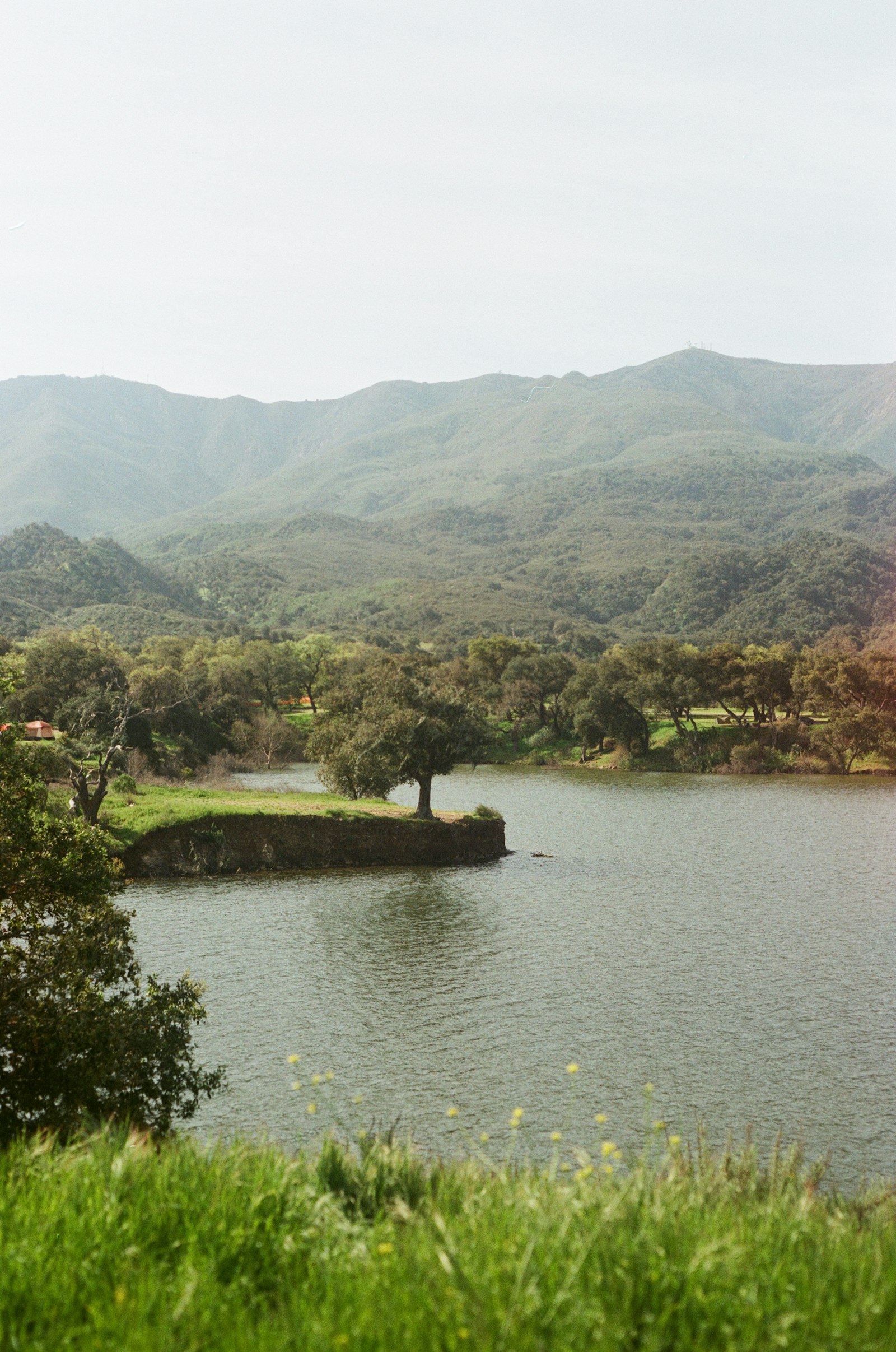
Part of Santa Barbara’s appeal is how compact and characterful the wine country is. Over the San Marcos Pass on Highway 154, the road climbs out of the city, the ocean falls away behind you, and Lake Cachuma opens up below before you drop into the valley. Most visitors base themselves in one of three towns. Solvang, founded by Danish settlers in 1911, still wears its heritage in windmills and half-timbered storefronts, and makes a charming, slightly kitschy home base. Los Olivos, a former stagecoach stop from the 1860s, has reinvented itself as a walkable village where dozens of tasting rooms sit within a few blocks of one another. Buellton, just off Highway 101, is the practical hub and a Sideways landmark in its own right.
You do not have to leave the coast to taste well, either. The Funk Zone, a few blocks of converted warehouses in downtown Santa Barbara steps from the beach, packs in more than two dozen urban tasting rooms, many pouring Sta. Rita Hills and Santa Ynez wine from producers who farm an hour inland. It is the rare wine region where you can surf in the morning and taste world-class Pinot Noir by the afternoon.
How to Choose a Santa Barbara Wine Bottle
Decide on a style first, then match it to a sub-region, then pick a tier. For bright, age-worthy Pinot and Chardonnay, look to the Sta. Rita Hills or Santa Maria Valley. For savory, structured Syrah, look to Ballard Canyon. For a bold Cabernet, look to Happy Canyon. The label almost always names the AVA, and the more specific it is, the more it tells you.
Santa Maria Pinot or Chardonnay
The houses that put the county on the map are the safe bet. Au Bon Climat and Foxen built Santa Maria’s reputation for Burgundian Pinot Noir and Chardonnay, and they rarely miss.
Sta. Rita Hills Pinot or Ballard Syrah
For something thrilling, chase a concentrated Sta. Rita Hills Pinot from Sanford, Melville, or Brewer-Clifton, or a peppery Ballard Canyon Syrah from a Rhone specialist like Stolpman or Zaca Mesa.
Santa Ynez whites and blends
The broader Santa Ynez Valley offers crisp Sauvignon Blanc, like the long-running Brander, and easygoing Rhone blends at friendly prices. A bottle simply labeled Santa Barbara County is built for everyday drinking.
What to Eat with Santa Barbara Wine: Food Pairing Guide
The county’s cool-climate style is a gift at the table. Its Pinot Noir, all bright acidity and red fruit, is made for grilled salmon, roast duck, or a mushroom risotto. Its Chardonnay, especially the richer Santa Maria style, loves crab, lobster, and anything in a butter sauce. Save the Syrah for the region’s own tradition: Santa Maria style barbecue, a salt-and-pepper tri-tip grilled over red oak, where the wine’s smoke and pepper meet the char head on. The Happy Canyon Cabernets want a ribeye, and the crisp Sauvignon Blanc is perfect beside goat cheese and a fresh salad. For more ideas, try our wine pairing generator.
Sideways, and the rise of Santa Barbara
Santa Barbara is young as wine country goes. The modern era began in the early 1970s, when the Sanford and Benedict vineyard was planted in what is now the Sta. Rita Hills and Bien Nacido went into the ground in Santa Maria, proving that this cold coast could grow serious Pinot Noir and Chardonnay. A generation of growers pushed out toward the fog that older hands had written off as too cold, and they were right to.
Then came the movie. The 2004 film Sideways, shot among the wineries of the Santa Ynez Valley, sent a wave of drinkers chasing Pinot Noir and turning away from Merlot almost overnight. Two decades later, the region has grown into one of the most respected cool-climate zones in the country, and notably one with the highest concentration of female winemakers in the world. The wines have only gotten better with the place’s confidence.
Explore Santa Barbara wine regions and towns
Santa Barbara County divides into distinct appellations and wine towns, each with its own climate and signature grapes. Start with the Santa Ynez Valley and its nested sub-appellations, the cool, windy Sta. Rita Hills, the Syrah heartland of Ballard Canyon, the easygoing Los Olivos District, and the warm Bordeaux country of Happy Canyon. To the north sits the fog-funneled Santa Maria Valley. Prefer to taste in town? Walk the Funk Zone in downtown Santa Barbara or the Danish village of Solvang.
Find your Santa Barbara wine
Tell us how you eat and what you love, and we will point you to the Santa Barbara bottles and tasting rooms that fit your palate.
Start the quizSanta Barbara Wine: Frequently Asked Questions
What wine is Santa Barbara known for?
How many AVAs does Santa Barbara County have?
Is Santa Barbara wine country the same as Sideways?
What grapes grow in Santa Barbara County?
What is the best Santa Barbara wine region?
Where should I go wine tasting in Santa Barbara?
How far is Santa Barbara wine country from Los Angeles?
When is the best time to visit Santa Barbara wine country?
Featured guide: California Red Wine: the grapes, regions, and bottles worth opening, from Napa Cabernet to old-vine Zinfandel.
Related reading
All Santa Barbara Wineries
- 10 Ninths | Santa Barbara County Wine
- A Tribute to Grace | Santa Barbara County Wine
- Alma Rosa Winery & Vineyards | Santa Barbara County Wine
- Amada Cellars | Santa Barbara County Wine
- Ampelos Cellars | Santa Barbara County Wine
- Andrew Murray Vineyards | Santa Barbara County Wine
- Au Bon Climat | Santa Barbara County Wine
- Babcock Winery & Vineyards | Santa Barbara County Wine
- Barden Wines | Santa Barbara County Wine
- Bien Nacido & Solomon Hills Estate Wines | Santa Barbara
- Brander Vineyard | Santa Barbara County Wine
- Brave & Maiden Estate | Santa Barbara County Wine
- Brewer-Clifton | Santa Barbara County Wine
- Brick Barn Wine Estate | Santa Barbara County Wine
- Buscador Winery | Santa Barbara County Wine
- Buttonwood Farm & Vineyards | Santa Barbara County Wine
- Cambria Estate Vineyards & Winery | Santa Barbara Wine
- Camins 2 Dreams | Santa Barbara County Wine
- Carhartt Family Wines | Santa Barbara County Wine
- Carr Vineyards & Winery | Santa Barbara County Wine
- Carucci Wines | Santa Barbara County Wine
- Casa Cassara Winery & Vineyard | Santa Barbara County Wine
- Clementine Carter Wines | Santa Barbara County Wine
- Colluvial | Santa Barbara County Wine
- Coquelicot Organic Estate Wines | Santa Barbara Wine
- Cote of Paint | Santa Barbara County Wine
- Crosshatch Winery | Santa Barbara County Wine
- Crown Point | Santa Barbara County Wine
- Dafoe Wines | Santa Barbara County Wine
- Demetria Estate | Santa Barbara County Wine
- Domaine de la Côte | Santa Barbara County Wine
- Donnachadh Vineyard & Winery | Santa Barbara County Wine
- Dovecote | Santa Barbara County Wine
- Dragonette Cellars | Santa Barbara County Wine
- Dreamcôte Wine Co. | Santa Barbara County Wine
- E11even Wines | Santa Barbara County Wine
- Eislynn Wines | Santa Barbara County Wine
- El Viñero | Santa Barbara County Wine
- Epiphany | Santa Barbara County Wine
- Evan’s Ranch | Santa Barbara County Wine
- Feliz Noche Cellars | Santa Barbara County Wine
- Fess Parker Winery & Vineyard | Santa Barbara County Wine
- Fiddlehead Cellars | Santa Barbara County Wine
- Firestone Vineyard | Santa Barbara County Wine
- Flying Goat Cellars | Santa Barbara County Wine
- Folded Hills | Santa Barbara County Wine
- Foley Estates | Santa Barbara County Wine
- Four Brothers Wine Co. | Santa Barbara County Wine
- Foxen Vineyard | Santa Barbara County Wine
- Frequency Wines | Santa Barbara County Wine
- Fuil Wines | Santa Barbara County Wine
- Future Perfect | Santa Barbara County Wine
- Gainey Vineyard | Santa Barbara County Wine
- Grassini Family Vineyards | Santa Barbara County Wine
- Grimm’s Bluff | Santa Barbara County Wine
- Happy Canyon Vineyard | Santa Barbara County Wine
- Hitching Post Wines | Santa Barbara County Wine
- Holus Bolus & Joy Fantastic | Santa Barbara County Wine
- Horizon Cellars Vineyard | Santa Barbara County Wine
- Imagine Wine | Santa Barbara County Wine
- J. Dirt Wines | Santa Barbara County Wine
- J. Wilkes | Santa Barbara County Wine
- Jamie Slone Wines | Santa Barbara County Wine
- Jennifer Gray Wine | Santa Barbara County Wine
- Kaena Wines | Santa Barbara County Wine
- Kalyra Winery | Santa Barbara County Wine
- Ken Brown Wines | Santa Barbara County Wine
- Kessler-Haak Wines | Santa Barbara County Wine
- Kings Carey | Santa Barbara County Wine
- Koehler Winery | Santa Barbara County Wine
- Kunin Wines | Santa Barbara County Wine
- LaBarge Winery | Santa Barbara County Wine
- Lafond Winery & Vineyards | Santa Barbara County Wine
- Lincourt Vineyards | Santa Barbara County Wine
- Lo-Fi Wines | Santa Barbara County Wine
- Longoria Wines | Santa Barbara County Wine
- Loubud Wines | Santa Barbara County Wine
- Lucas & Lewellen Vineyards | Santa Barbara County Wine
- Lumen Wines | Santa Barbara County Wine
- Luna Hart Wines | Santa Barbara County Wine
- Lyons Vineyard | Santa Barbara County Wine
- Mail Road Wines | Santa Barbara County Wine
- Marbeso | Santa Barbara County Wine
- Margerum Wine Company | Santa Barbara County Wine
- McKinney Family Vineyards | Santa Barbara County Wine
- Melville Winery | Santa Barbara County Wine
- Montemar | Santa Barbara County Wine
- Native9 Wine & Ranchos de Ontiveros | Santa Barbara Wine
- Nielson | Santa Barbara County Wine
- Pali Wine Co. | Santa Barbara County Wine
- Paradise Springs Winery | Santa Barbara County Wine
- Peake Ranch | Santa Barbara County Wine
- Pence Vineyards & Winery | Santa Barbara County Wine
- Piazza Family Wines | Santa Barbara County Wine
- Piedrasassi | Santa Barbara County Wine
- Presqu’ile Vineyard & Winery | Santa Barbara County Wine
- Rancho Sisquoc | Santa Barbara County Wine
- Refugio Ranch | Santa Barbara County Wine
- Rideau Vineyard | Santa Barbara County Wine
- Riverbench Vineyard & Winery | Santa Barbara County Wine
- Roblar Winery | Santa Barbara County Wine
- Rock 12 Distillery | Santa Barbara County Wine
- Rusack Vineyards | Santa Barbara County Wine
- RZN Wines | Santa Barbara County Wine
- Saarloos & Sons | Santa Barbara County Wine
- Samsara Wine Co. | Santa Barbara County Wine
- Sandhi | Santa Barbara County Wine
- Sanford Winery & Vineyards | Santa Barbara County Wine
- Santa Barbara Bubbly Lounge | Santa Barbara County Wine
- Sea Smoke | Santa Barbara County Wine
- Seagrape Wine Company | Santa Barbara County Wine
- Shokrian Vineyard | Santa Barbara County Wine
- Slouch Hat Wines | Santa Barbara County Wine
- So Far Out Wine Company | Santa Barbara County Wine
- Solminer | Santa Barbara County Wine
- Spear Vineyards & Winery | Santa Barbara County Wine
- Star Lane Vineyard & Winery | Santa Barbara County Wine
- Stolpman Vineyards | Santa Barbara County Wine
- Storm Wines | Santa Barbara County Wine
- Story of Soil | Santa Barbara County Wine
- Strange Family Vineyards | Santa Barbara County Wine
- Sunstone Winery: Organic Tasting in the Santa Ynez Valley
- Sweetzer Cellars | Santa Barbara County Wine
- Tabalipa Wine Co. & Living Life Vineyards | Santa Barbara
- Taste of Sta Rita Hills & Moretti Wine Co. | Santa Barbara
- Tercero Wines | Santa Barbara County Wine
- Terre et Sang | Santa Barbara County Wine
- The Hilt Estate | Santa Barbara County Wine
- The Set Wines | Santa Barbara County Wine
- The Valley Project | Santa Barbara County Wine
- Thorne Wine | Santa Barbara County Wine
- Toccata | Santa Barbara County Wine
- Tomi Cellars | Santa Barbara County Wine
- Transcendence | Santa Barbara County Wine
- Vega Vineyard & Farm | Santa Barbara County Wine
- Vincent Estate Vineyards & Winery | Santa Barbara Wine
- Winehounding | Santa Barbara County Wine
- Zaca Mesa Winery & Vineyards | Santa Barbara County Wine