
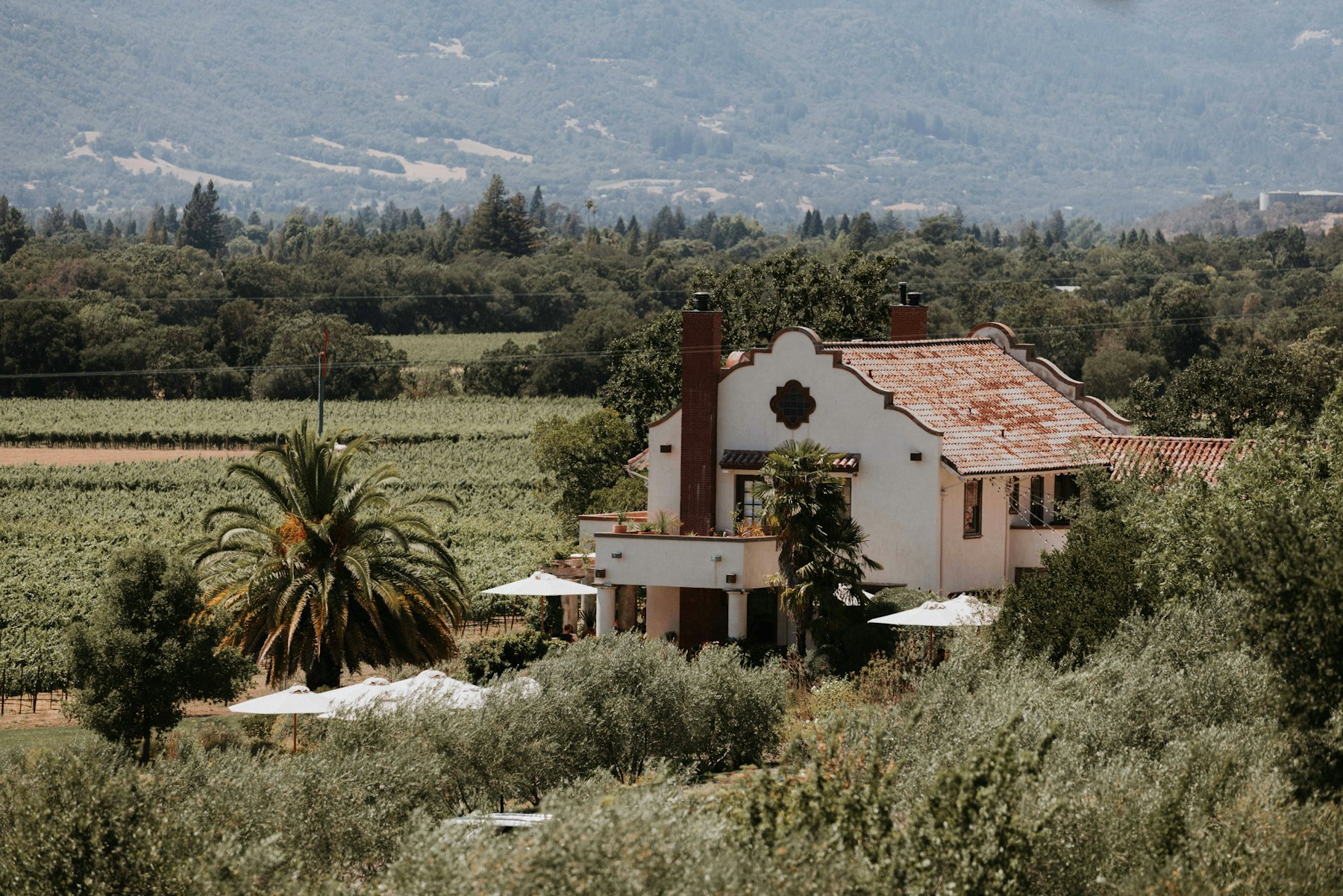
Rich Schmidt spent his first career as a reproductive endocrinologist before turning to vines later in life. He established Moose Mountain Vineyards in 2008, originally in San Martin south of the Bay Area, and farmed his way toward bigger, bolder reds. In 2023 he expanded to an Adelaida District estate in Paso Robles, planting on limestone the kind of varieties that thrive there. Among them is Tannat, the famously dark, tannic grape that is rare in California, planted alongside Cabernet Franc, Cabernet Sauvignon, Petite Sirah, and Semillon. He still hand-farms it all.
From the clinic to the vineyard
Rich Schmidt did not grow up in wine. He built a career as a reproductive endocrinologist first, then began his winemaking venture later in life, the kind of second act that takes equal parts nerve and discipline. He founded Moose Mountain Vineyards in 2008 in San Martin, in the hills south of the Bay Area, and learned the work as founder, primary winegrower, and winemaker all at once.
The scientist’s instinct for precision carried over. Schmidt hand-farms his vines and runs a certified sustainable operation, paying close attention to the details that separate good fruit from great fruit. In 2023 he expanded the project to an estate in the Adelaida District of Paso Robles, drawn to the limestone soils and cool, high-elevation climate that suit the structured, bold reds he wanted to make. Moose Mountain became a two-region winery rooted in one person’s hands-on approach.
Moose Mountain grows Tannat, one of the darkest and most tannic grapes in the world, a variety almost no one else in California plants.
Answer a few quick questions and get your wine personality, your best matches, and where to taste them.
Start the quizLimestone and a grape that loves it
The Adelaida District estate sits in the high western hills of Paso Robles, where the Santa Lucia slopes climb over shallow calcareous bedrock between roughly 900 and 2,200 feet. Pacific air spills inland through the Templeton Gap each afternoon and nights turn cold, a big diurnal swing that lets thick-skinned, structured grapes ripen fully while keeping their acidity intact. It is ideal country for varieties that need warmth to ripen but freshness to stay in balance.
Which is exactly why Schmidt’s plantings make sense. The Paso estate grows Cabernet Franc, Cabernet Sauvignon, Petite Sirah, the white grape Semillon, and the standout, Tannat. Native to southwest France and the signature grape of Madiran and Uruguay, Tannat is one of the most tannic varieties on earth and remarkably rare in California. On calcareous Adelaida ground, with cold nights to preserve acidity, it has a real shot at greatness.
What the wines actually taste like
Tannat is the headliner and it does not whisper. Expect a near-black wine packed with blackberry, plum, dark chocolate, and a powerful, gripping tannic structure, the kind of red built to age for years and to stand up to the richest food on the table. Alongside it, the Cabernet Franc brings a more aromatic profile, red fruit, graphite, and a savory herbal lift, while the Cabernet Sauvignon and Petite Sirah add their own depth and density.
Across the reds, the calcareous soils and cold Adelaida nights show up as freshness and grip rather than heaviness, keeping even the biggest wines balanced. The Semillon offers the cellar’s bright counterpoint, a textured white with citrus, orchard fruit, and a waxy richness that ages well in its own right. These are bold, complex wines that taste of the place that made them.
Tell us what is on the table and our pairing generator finds the wine that makes the meal.
Find your pairingWhat to pour Moose Mountain with
If you remember one pairing rule, make it this one, and Tannat is the perfect teacher. Tannat is extraordinarily tannic, and tannin binds to protein and fat, so a hugely tannic wine softens dramatically against fatty, charred meat. Pour it with red-oak-grilled tri-tip, a fat-marbled ribeye, lamb, or braised short ribs, and the fat tames the tannin while the wine cleans the richness off your palate. It is one of the most satisfying matches in all of wine.
The Cabernet Franc loves herb-crusted lamb and dishes with green and savory notes, and the Petite Sirah handles smoked brisket and barbecue with ease. The Semillon, with its acidity, cuts through buttery, creamy dishes and rich seafood. Keep very spicy food away from the biggest reds, since heat amplifies the perception of alcohol. To match a specific Moose Mountain bottle to your dinner, try the wine pairing generator.
Visiting Moose Mountain
Moose Mountain opened its doors to visitors by appointment, and the Adelaida District estate added in 2023 places you in the high limestone hills on Paso’s west side, among rows of Tannat and Bordeaux varieties that are unusual for the region. Because Schmidt hand-farms and keeps things personal, a visit tends to be hands-on and conversational, a chance to taste a rare grape from someone who chose to plant it. Visits are best arranged by reservation, and since the Paso estate is relatively new, confirm current hours and tasting options with the winery before you head out. For help building a full west-side day around the stop, our Paso Robles guide maps the region.
Let us match you to the right Paso bottle
Take the 60-second quiz and we will point you to the Paso wines and tasting rooms you will love.
Find your wineMoose Mountain Vineyards: common questions
Who founded Moose Mountain Vineyards?
What is Tannat and why does Moose Mountain grow it?
What grapes does Moose Mountain grow in Paso Robles?
What food pairs best with Moose Mountain wines?
Where is Moose Mountain Vineyards located?
Is Moose Mountain a sustainable winery?
Why is Tannat so tannic, and does that affect food pairing?
Can I visit Moose Mountain in Paso Robles?
More wineries in Paso Robles
Are you affiliated with this winery?