
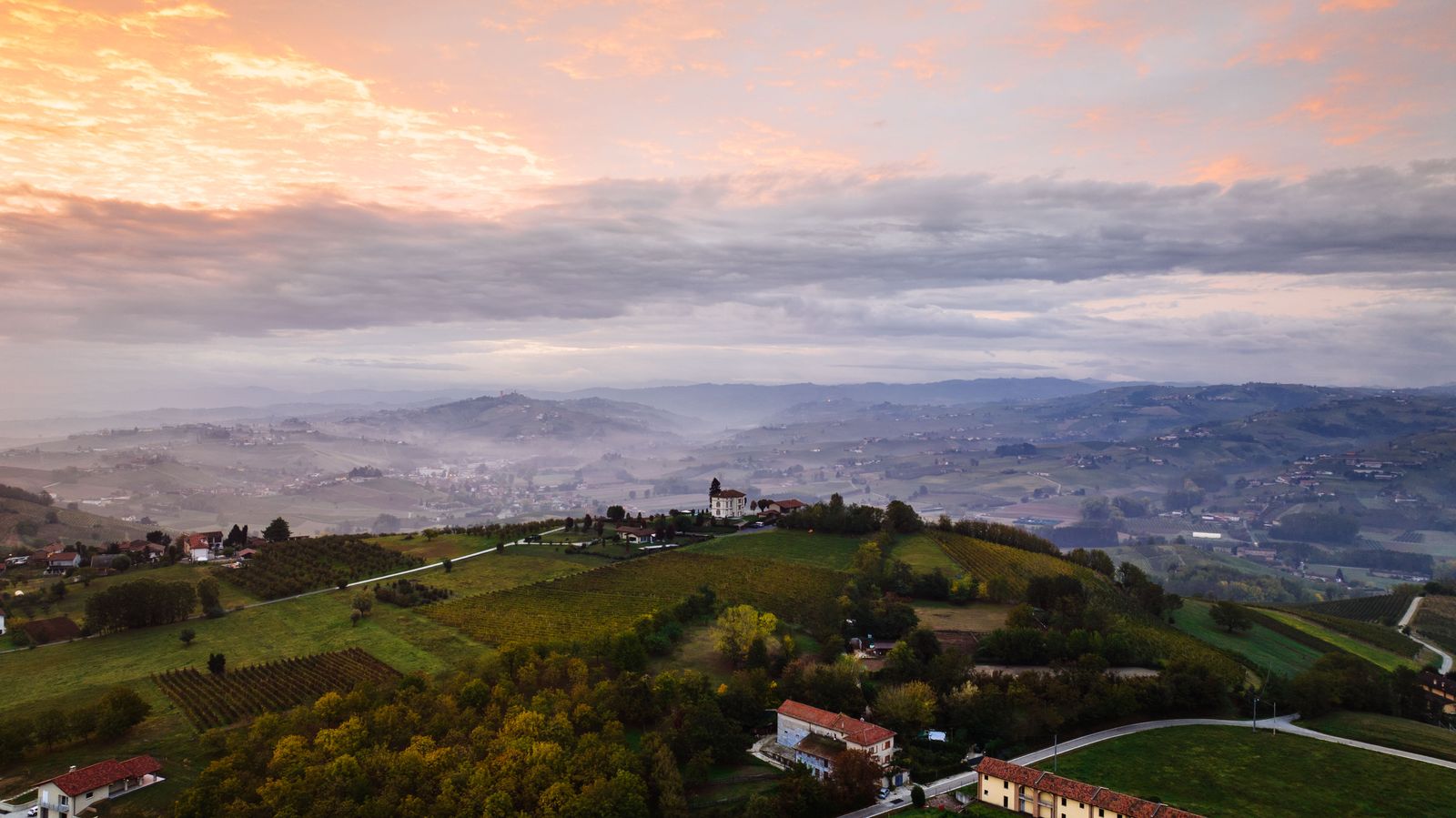
In 2005, Mark Adams and his wife Ciera drove out to his parents’ cattle ranch on the Paso Robles west side with a carload of college friends and a pile of grapevine cuttings. No certified rootstock, no crews, no budget. Mark had spent his earlier life in music and editing sound effects for Sony in Los Angeles, and now he was kneeling in the dirt above a sandstone ledge, sticking own-rooted vines into ground his parents had bought in the 1970s to run cattle. Five acres went in that first year. The ledge gave the project its name.
From a Sony sound studio to a sandstone ledge
Mark Adams did not take the usual road into wine. He worked in music and edited sound effects for Sony before he ever pruned a vine, and when he and Ciera launched Ledge Vineyards in 2005, they did it the hard way: on his own roots, on his parents’ land. The Adams family had owned the ranch since the mid-1970s, raising cattle and the occasional grain crop, never imagining it would become one of the more quietly serious estates on the Paso west side.
The founding gesture tells you everything about the place. Rather than buy grafted nursery stock, Mark collected thousands of cuttings of the old Estrella clone of Syrah from the famed James Berry Vineyard, along with a little Grenache and Mourvedre from Alban selections, and planted them on their own roots. That first estate Syrah harvest came in 2009. Twenty years on, the vineyard has grown to roughly twenty acres of Syrah, Grenache, Mourvedre, Cinsaut, Counoise, Grenache Blanc, Clairette Blanche and Roussanne, still own-rooted, still propagated in a home nursery from the estate’s own wood.
There was no certified rootstock and no budget, just thousands of gathered cuttings and a sandstone shelf at the foot of the Santa Lucia Range.
Answer a few quick questions and get your wine personality, your best matches, and where to taste them.
Start the quizThe ledge, the limestone, and the Templeton Gap
The estate literally rests on a sandstone ledge at the base of the Santa Lucia Mountains, on the cool, calcareous west side of Paso Robles. This is limestone country, where calcareous soils stress the vines just enough to concentrate flavor and hold a spine of natural acidity in the fruit. The vines are dry-farmed, sent deep to chase what water the soil holds, which is its own kind of quality control.
What makes the Paso west side sing is the day-to-night temperature swing. Marine air pushes inland through the Templeton Gap in the coastal hills, dropping nighttime temperatures sharply after hot afternoons. Grapes ripen in the warmth and then rest in the cool, so sugars climb without acidity collapsing. The result in the glass is Rhone-variety wine with real ripeness and real lift at the same time, a balance that own-rooted, dry-farmed, native-fermented fruit expresses with unusual clarity.
What Ledge wine actually tastes like
Ledge builds its reds the old way: field-blended, co-fermented with the other Rhone varieties picked alongside, fermented only with native yeasts and aged in neutral oak so the wood stays out of the way. The Adams Ranch Syrah is the flagship and it shows the house signature, a dark, savory style with blackberry and black olive, cracked pepper and cured meat, a smoky mineral edge from the sandstone and limestone, and tannins that are firm but fine-grained rather than aggressive.
The Grenache leans brighter and redder, all raspberry and dried strawberry with a dusting of white pepper and wild herb, lighter on its feet but still serious. Across the lineup the wines feel transparent to their site: cool-climate Paso Rhones with lift, length and a wild, brambly character that comes from own-rooted vines and a hands-off cellar. These are wines for the table, not for the spotlight, and they age.
Tell us what is on the table and our pairing generator finds the wine that makes the meal.
Find your pairingWhat to pour Ledge with
Ledge Syrah is built for the Paso ritual of red-oak-grilled tri-tip. The wine’s firm tannins bind to the protein and fat of a well-marbled, charred cut, which softens the tannin on your palate and lets the fruit come forward; the smoky char echoes the wine’s own savory, peppery streak. Lamb does the same job even better, the gaminess meeting the wine’s black-olive and cured-meat notes head on. Reach for the Grenache when the food gets lighter, since its higher acidity and softer tannin cut through duck fat, pork belly or a mushroom ragout without overwhelming them.
A few rules help. Tannin loves protein and fat, so the richer the meat, the more comfortable a young Syrah becomes. Acidity cuts richness, which is why the Grenache shines next to fatty or herb-roasted dishes. And go easy on chile heat, because alcohol amplifies the burn; if you want spice with Syrah, keep it smoky rather than scorching. For more ideas tuned to a specific dish, try the wine pairing generator.
Visiting Ledge Vineyards
Ledge pours in Tin City, the cluster of small-producer tasting rooms and makers on the south edge of Paso Robles that has become the best one-stop introduction to the region’s independent wine scene, so a visit slots easily into a day of tasting nearby. The room is relaxed and conversation-first, the kind of place where you actually learn how own-rooted, dry-farmed Rhone wine is made rather than just sipping and moving on. Visits are best arranged by reservation, and because hours shift with the season and harvest, confirm the current schedule before you go. To plan the wider trip, including how the cool, limestone-rich west side differs from the warmer east side, see our Paso Robles guide.
Let us match you to the right Paso bottle
Take the 60-second quiz and we will point you to the Paso wines and tasting rooms you will love.
Find your wineLedge Vineyards: common questions
What is Ledge Vineyards known for?
Who founded Ledge Vineyards?
Where does the name Ledge come from?
What does own-rooted mean and why does it matter?
What food pairs best with Ledge Syrah?
Where can I taste Ledge wines?
Are Ledge wines dry-farmed?
What grape varieties does Ledge grow?
More wineries in Paso Robles
Are you affiliated with this winery?