Picture a young winemaker in 2007, standing over four oak barrels and betting that the grapes of Spain belonged in Paso Robles. Edgar Torres had grown up between two worlds, born in Mexico, raised on the salt air of Cayucos on the San Luis Obispo coast, and he kept seeing the same thing every time he drove inland: rolling hills, a Mediterranean sky, and a baking sun that felt like Rioja or Jumilla. So he made Tempranillo when almost no one in California was. Today, with his wife Erika, those four barrels have become a downtown Paso tasting room pouring some of the most distinctive Iberian wine on the Central Coast.
From Cayucos to the barrel room
Edgar Torres did not inherit a winery. He built one out of conviction. Born in Mexico and raised in the foggy beach town of Cayucos, he came of age on the SLO coast, then looked east toward Paso Robles and saw a landscape that reminded him of the Old World vineyards he admired. The hills, the heat, the diurnal swing, the limestone underfoot: all of it whispered Spain. In 2007 he committed, buying four oak barrels and making his first wine while most of his Paso neighbors were chasing Cabernet and Zinfandel.
The winery he and his wife Erika run is unmistakably theirs. The name says it plainly: Bodega de Edgar, Edgar’s cellar. There is a warmth and a sense of humor in the labels and the room that you do not find in corporate tasting bars. This is a family project that grew up in public, one vintage at a time, and the through-line has always been a love of Spanish grapes expressed through California fruit.
He bet that the native grapes of Spain belonged in Paso Robles, and he started with exactly four barrels.
Answer a few quick questions and get your wine personality, your best matches, and where to taste them.
Start the quizPaso fruit, Iberian heart
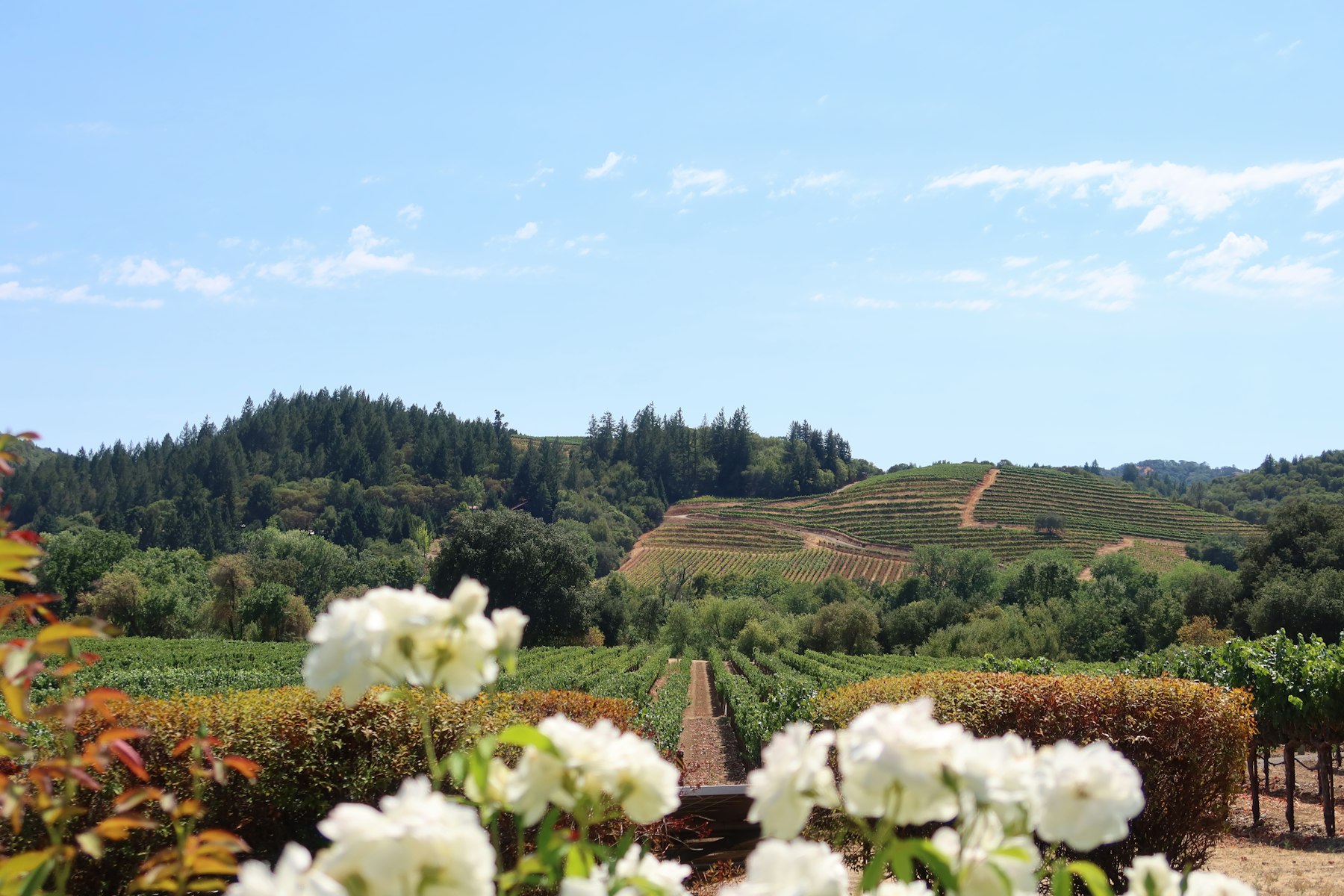
Paso Robles and the Spanish wine regions share a climate logic. Both bake under long, hot, dry summers, both cool off hard at night, and both grow vines on calcareous, sun-soaked hillsides. That day-to-night temperature swing is the engine of Paso, letting grapes ripen to full flavor in the afternoon heat while the cool nights lock in acidity and aromatics. It is exactly the kind of climate where Tempranillo, Garnacha, and Mourvedre thrive, and where coastal-influenced sites can still hold the freshness that Albarino demands.
Torres sources Paso Robles fruit and treats it like a Spanish winemaker would. The result is wine with a sense of place that points two directions at once: the bright, savory, food-friendly profile of Iberian classics, grown in the warm, mineral-rich soils of the Paso west side and town vineyards. It is California sunshine speaking with a Spanish accent.
The wines, glass by glass
Tempranillo is the heart of the house, and Edgar’s version leans savory and structured: dark cherry and dried fig, a dusting of leather and tobacco, fine grippy tannins that ask for food. The Garnacha (Grenache) brings the charm, all red raspberry and crushed strawberry with a warm, spiced lift, while old-vine-style Carignan and Mourvedre add muscle, earth, and a wild, brambly edge to the reds. These are not jammy fruit bombs. They are built for the table.
Then there is the Albarino, the coastal white that proves Torres can do delicacy as well as power. Expect zippy citrus, white peach, a saline snap, and that mouthwatering acidity that makes you reach for oysters. Across the range, and especially in the Homage to Spain series, the wines read as a direct tribute to the grapes and traditions that first inspired him. Tasting through them is the closest you will get to Spain without leaving Paso Robles.
Tell us what is on the table and our pairing generator finds the wine that makes the meal.
Find your pairingWhat to pour Bodega de Edgar with
Start with the structure of the wine and work backward to the plate. The Tempranillo and its Spanish red cousins carry firm tannin, and tannin loves protein and fat: it binds to them, softening on your palate and letting the fruit step forward. That is why these wines sing with red-oak-grilled tri-tip, lamb, jamon, or a bubbling dish of chorizo and white beans. The savory, leathery notes echo cured meat beautifully. For the brighter Garnacha, paprika-spiced paella and roasted peppers play to its warm-spice side. Just go easy on chile heat, because alcohol amplifies the burn of capsaicin, so a high-octane red can make a spicy dish feel hotter and hollower.
The Albarino is your acid weapon. Its crisp, citrusy bite cuts through richness and slices clean through fried calamari, garlicky shrimp, ceviche, and briny shellfish. Acid in the wine refreshes the palate against oil and salt, resetting each bite. Want a tailored match for a specific dish or bottle? Run it through our wine pairing generator for an instant pairing built around the wine in your glass.
Visiting Bodega de Edgar
Bodega de Edgar pours in downtown Paso Robles, which makes it one of the easiest and most rewarding stops if you want serious Spanish varietal wine without a long drive into the hills. The room reflects the family behind it: personal, a little playful, and focused on grapes you will not find on every tasting menu in town, so come curious and ready to try a Tempranillo or Albarino made by someone who genuinely loves them. Visits are best arranged in advance, and because hours can shift seasonally, confirm current days and times before you go. If you are building a larger itinerary around it, our Paso Robles guide can help you map a route through downtown and the surrounding districts.
Let us match you to the right Paso bottle
Take the 60-second quiz and we will point you to the Paso wines and tasting rooms you will love.
Find your wineBodega de Edgar: common questions
What kind of wine is Bodega de Edgar known for?
Who owns and makes the wine at Bodega de Edgar?
What food pairs best with Bodega de Edgar Tempranillo?
Where is the Bodega de Edgar tasting room?
Do I need a reservation to taste at Bodega de Edgar?
Why does Edgar Torres make Spanish wines in Paso Robles?
Is Bodega de Edgar a small winery?
What does Bodega de Edgar mean?
More wineries in Paso Robles
- Bon Niche Cellars
- Booker Vineyard and Winery
- Boutz Cellars
- Bovino Vineyards
- Brecon Estate
- Brochelle Vineyards
Are you affiliated with this winery?