By The Popular Wines Tasting Team. Last updated June 2026.
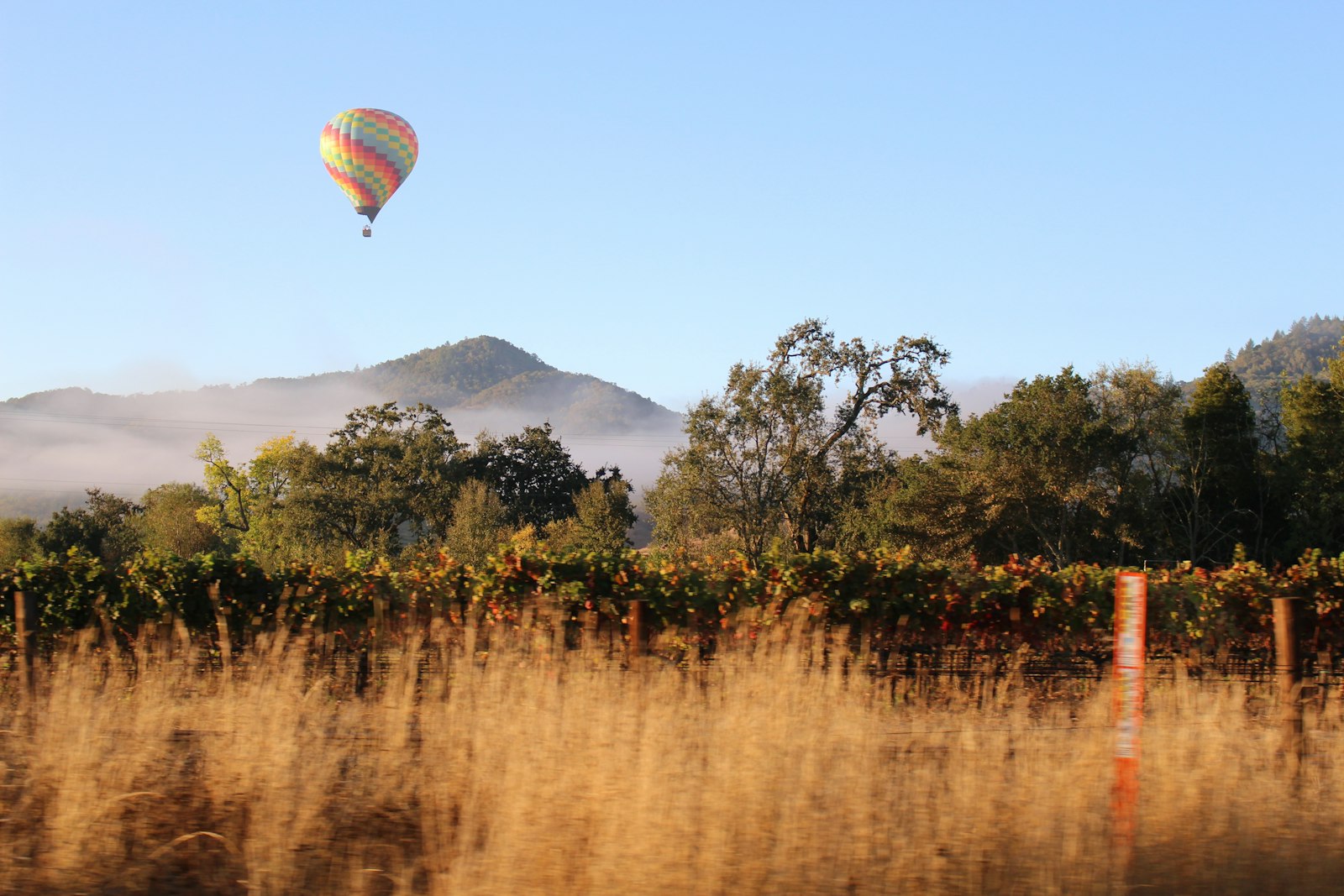
Napa Valley is small. It runs about thirty miles from the cool marshes of San Pablo Bay in the south to the volcanic heat of Calistoga in the north, and at its widest the valley floor is only a few miles across. It grows a sliver of California’s wine. Yet no American region carries more weight, and the reason is part soil, part climate, and part a single afternoon in Paris in 1976.
How a narrow valley became the name in American wine
Charles Krug opened the valley’s first commercial winery near St. Helena in 1861. By the 1880s a Finnish sea captain named Gustave Niebaum had built Inglenook at Rutherford with the stated goal of making wine to rival Bordeaux. Then came phylloxera, earthquake, and Prohibition, which together all but erased the industry. For decades afterward Napa sold mostly bulk and jug wine.
The modern era has a clear starting gun. In 1966 Robert Mondavi broke from his family’s Charles Krug winery and built a new estate at Oakville, the first major winery in the valley since repeal. Ten years later, at a blind tasting staged in Paris for the American bicentennial, Warren Winiarski’s 1973 Stag’s Leap Wine Cellars Cabernet beat the first growths of Bordeaux, and the 1973 Chateau Montelena Chardonnay topped white Burgundy.
Napa became California’s first American Viticultural Area in 1981. Opus One, the partnership between Mondavi and Baron Philippe de Rothschild, released its first vintage in 1979 and set the template for the luxury Cabernet that followed.
Answer a few quick questions and get your wine personality, your best food pairings, and a wine-country day to match.
Start the quizFog, floor, and mountain
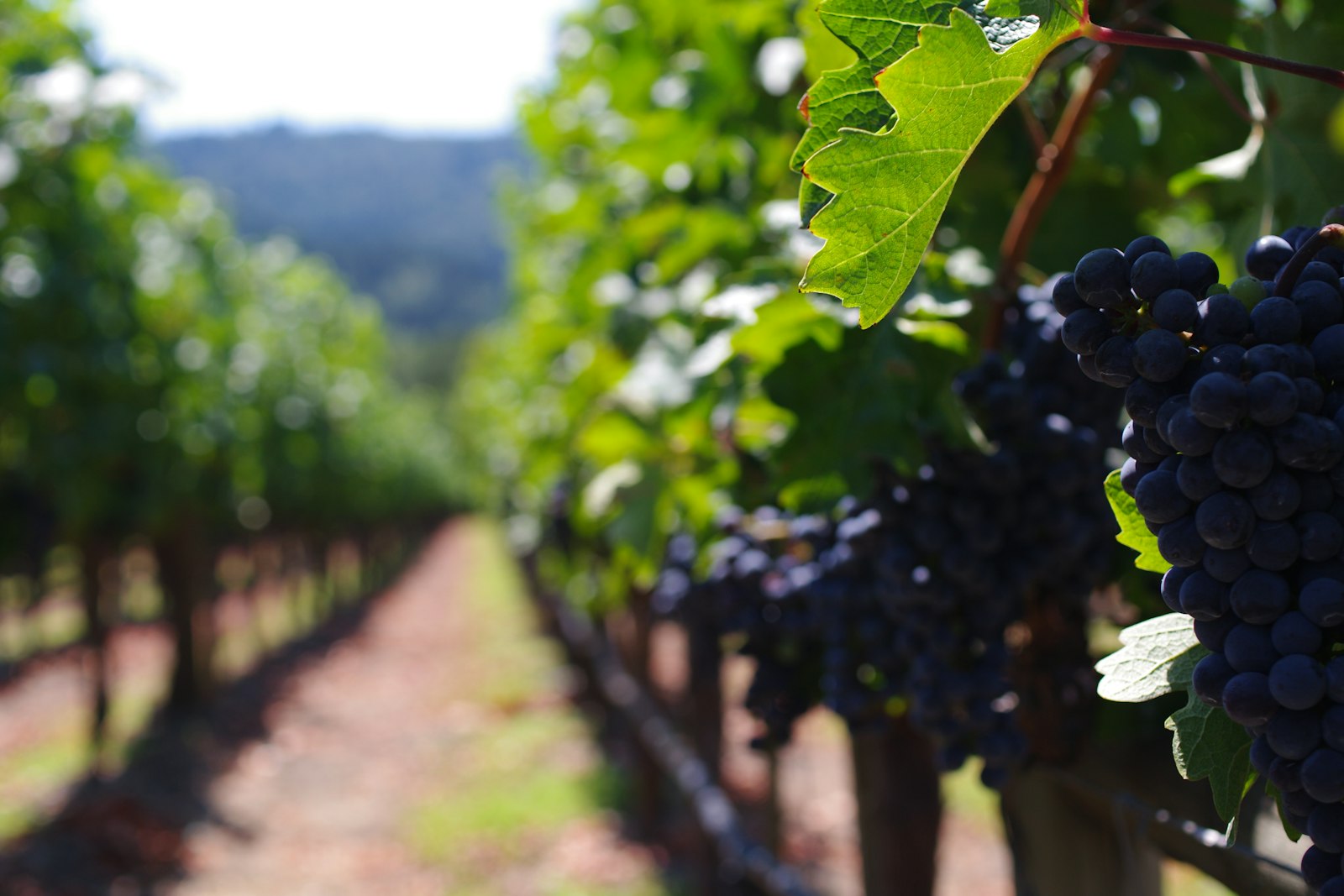
The valley works because of temperature swing. Cool marine air and fog push north off San Pablo Bay each evening, so the southern end around Carneros, Coombsville, and Oak Knoll stays cool and suits Chardonnay and Pinot Noir. The middle and northern valley floor, through Yountville, Oakville, Rutherford, and St. Helena, bakes by day and cools hard at night, the rhythm Cabernet loves.
Above the fog line, the mountains on both sides shift the equation again. The Mayacamas to the west and the Vaca range to the east give thinner soils, lower yields, and darker, firmer wines. Napa packs an unusual range of soils into a small footprint, volcanic on the eastern hills and around Calistoga, marine and alluvial on the benchlands. That patchwork is why each of its sixteen nested AVAs tastes like itself.
Cabernet is king, but not the whole story
Cabernet Sauvignon is roughly half of what Napa plants and most of what it is known for, from the supple, perfumed reds of Stags Leap to the tannic, ageworthy bottlings of Howell Mountain. But Carneros makes serious sparkling wine and Chardonnay, St. Helena and Chiles Valley still hold old-vine Zinfandel, and Sauvignon Blanc, the grape Mondavi rebranded as Fume Blanc, remains the valley’s signature white.
Napa Valley sub-AVAs
Los Carneros
Straddling the cool southern edge by San Pablo Bay. Fog and wind keep it cold, which is why Carneros is Napa’s home for Chardonnay, Pinot Noir, and sparkling wine.
Coombsville
A cool amphitheater of hills just east of the city of Napa. Volcanic soils and a long, gentle season give fresh, structured Cabernet with real perfume.
Oak Knoll District
The southern valley floor, cooler than the famous benchlands. Versatile ground that ripens everything from crisp whites to supple Cabernet.
Yountville
Mid-valley gravel and alluvial benches. Known for elegant, aromatic Cabernet and Merlot, and home to the valley’s dining heart.
Stags Leap District
A valley within the valley, one mile wide and three long. Famous for supple, violet-scented Cabernet, and for the 1973 wine that won the Judgment of Paris.
Mount Veeder
High on the western Mayacamas. Thin, rocky soils and low yields produce dense, structured, slow-aging reds.
Atlas Peak
Volcanic ground on the eastern Vaca range, above the fog line. Cool nights at elevation give firm, high-acid, ageworthy Cabernet.
Oakville
The warm heart of the valley floor and arguably Cabernet’s address on earth. Home to the To Kalon vineyard, Opus One, and Screaming Eagle.
Rutherford
Classic dusty-tannin Cabernet, the texture growers call Rutherford dust. Anchored by historic estates like Inglenook and Beaulieu.
St. Helena
A warm, narrow stretch of the valley that ripens rich, powerful Cabernet. Dense with historic wineries and old stone cellars.
Chiles Valley
A remote, higher upland east of the main valley. Cooler nights and old-vine Zinfandel set it apart.
Howell Mountain
Napa’s first sub-AVA, designated in 1983, sitting above 1,400 feet and entirely above the fog. Volcanic soils make dark, tannic, long-lived reds.
Spring Mountain District
Forested western slopes of the Mayacamas. Cool elevation gives mountain Cabernet alongside surprisingly aromatic whites.
Diamond Mountain District
Volcanic slopes at the valley’s northwestern corner. Iron-rich red soils build dark, firmly structured Cabernet.
Calistoga
The hot northern end, ringed by volcanic soils and geothermal springs. Ripe, bold Cabernet and Petite Sirah, and the home of Chateau Montelena.
Wild Horse Valley
A small, cool, high-elevation AVA on the Solano County line. Sparse plantings and a wind-swept, marine-influenced climate.
Grapes of Napa Valley
Wineries that built the valley
Robert Mondavi Winery
Oakville. Built in 1966, the first major winery in the valley since Prohibition and the spark of the modern era. Sits on the legendary To Kalon vineyard.
Stag’s Leap Wine Cellars
Stags Leap District. Warren Winiarski’s 1973 Cabernet beat the first growths of Bordeaux at the 1976 Judgment of Paris, changing how the world saw California.
Chateau Montelena
Calistoga. Founded in 1882, its 1973 Chardonnay topped white Burgundy in Paris in 1976. The stone chateau and lake are among Napa’s most photographed sights.
Inglenook
Rutherford. Founded in 1879 by Finnish sea captain Gustave Niebaum to rival Bordeaux, later restored by Francis Ford Coppola to its historic name and ambition.
Opus One
Oakville. The 1979 partnership of Robert Mondavi and Baron Philippe de Rothschild that set the template for Napa’s luxury Bordeaux-style blends.
Beaulieu Vineyard
Rutherford. Founded in 1900, home to the legendary winemaker Andre Tchelistcheff and the Georges de Latour Private Reserve Cabernet.
Heitz Cellar
St. Helena. The first Napa producer to bottle a single-vineyard Cabernet, the famed Martha’s Vineyard, setting a benchmark others still chase.
Screaming Eagle
Oakville. The cult Cabernet that came to define Napa’s scarcity and prestige, made in tiny quantities and sold almost entirely by mailing list.
The Napa table
The French Laundry
Thomas Keller’s three-Michelin-star landmark in Yountville, the restaurant that made the town a dining destination in its own right.
Oxbow Public Market
An indoor market in downtown Napa packed with local producers, oysters, charcuterie, and wine bars under one roof.
Oakville Grocery
A general store on Highway 29 dating to 1881, the classic stop for picnic provisions between tastings.
Gott’s Roadside
A beloved St. Helena drive-in for burgers, shakes, and ahi, the easy counterpoint to a day of fine wine.
Calistoga springs
The geothermal north end is known for hot springs and mud baths, a long tradition that predates the wine fame.
Napa Valley Wine Train
A restored vintage train that runs the valley floor, pairing a multi-course meal with the passing vineyards.
How to choose a bottle of Napa wine
Napa rewards knowing two things: where on the map the grapes grew, and how much you want to spend. Valley-floor Cabernet from Oakville and Rutherford is plush and classic. Mountain Cabernet from Howell Mountain or Mount Veeder is firmer, darker, and built to age. Carneros, down by the bay, is the cool corner for Chardonnay and sparkling. Pick a style, then a tier.
Oakville or Rutherford Cabernet
The heart of Napa. Houses like Robert Mondavi, Caymus, and Silver Oak deliver the plush, polished valley-floor Cabernet that made the region’s name.
Mountain or Stags Leap Cabernet
For structure and soul, climb the hills. Mountain Cabernet from Dunn or Mayacamas, or a silky Stags Leap District bottling from Stag’s Leap Wine Cellars or Shafer, rewards patience in the cellar.
Carneros whites and Napa Sauvignon Blanc
Napa is not only expensive Cabernet. Carneros Chardonnay and sparkling from Domaine Carneros, and crisp Napa Sauvignon Blanc, offer real quality without the trophy price.
Whatever you pour, Napa Cabernet was made for the table. Its tannin loves a fatty ribeye, a rack of lamb, or aged hard cheese, where the fat softens the wine and the wine cuts the richness. For more matches, try our wine pairing generator, and explore the neighbors in our guides to Santa Barbara, Paso Robles, and California red wine.
Why Napa gets under your skin
There is a romance to Napa that has nothing to do with the price of the bottles. In late winter the valley floor turns gold with wild mustard blooming between the bare vines. In autumn the smell of fermenting fruit hangs over the whole valley at first light. The afternoon sun goes long and warm against the Mayacamas, and a glass of Cabernet on a vineyard terrace at that hour explains, better than any tasting note, why people fall for this narrow strip of California and keep coming back.
Napa Valley FAQ
What is Napa Valley best known for?
Cabernet Sauvignon. It is roughly half of what Napa plants and the wine that built the valley’s global reputation, especially after the 1976 Judgment of Paris.
What are Napa Valley’s main sub-appellations?
Among the best known are Oakville, Rutherford, St. Helena, Stags Leap District, Howell Mountain, Mount Veeder, and Los Carneros. Sixteen nested AVAs sit inside the larger Napa Valley AVA, each with its own soils and climate.
When did Napa become world famous?
At the 1976 Judgment of Paris, where a Stag’s Leap Wine Cellars Cabernet and a Chateau Montelena Chardonnay beat top French wines in a blind tasting. Napa became California’s first AVA in 1981.
What is the difference between valley-floor and mountain Napa Cabernet?
Valley-floor wines from Oakville and Rutherford tend to be richer and more supple. Mountain wines from Howell Mountain, Mount Veeder, and Spring Mountain grow above the fog in thinner soils, giving darker, firmer, longer-aging reds.
Do you need reservations to visit Napa wineries?
Most Napa tasting rooms are by appointment, so it is best to book ahead. Harvest runs roughly from late August through October and is the busiest, most atmospheric time to visit.
Why is Napa Valley wine so expensive?
Napa land is some of the most valuable farmland in the world, yields for top Cabernet are deliberately kept low, and demand for a small supply of trophy wines is global. Add hand-farming, new French oak, and the region’s reputation, and prices climb. That said, Napa Sauvignon Blanc, Carneros Chardonnay, and broad Napa Valley bottlings remain reasonably priced.
What grapes does Napa grow besides Cabernet Sauvignon?
Merlot, Cabernet Franc, and Petit Verdot fill out the Bordeaux family, while Chardonnay, Sauvignon Blanc, and Pinot Noir thrive in cooler corners like Carneros, which also makes excellent sparkling wine. Old-vine Zinfandel survives in pockets too.
What food pairs with Napa Valley Cabernet?
Rich, fatty proteins are the classic match. A ribeye or New York strip, rack of lamb, braised short ribs, or aged hard cheeses all work, because the fat softens the wine’s tannin and the wine cuts the richness. Avoid delicate fish, which the wine will overwhelm.
Not sure where to start?
Take ninety seconds and let us point you to the Napa style that fits your taste, from bright Carneros whites to mountain Cabernet built to age.
Take our quick quiz to find your style, your best food pairings, and a wine-country day to match.
Take the quizNapa Valley wine FAQ
What is Napa Valley best known for?
What are Napa Valley’s main sub-appellations?
When did Napa become world famous?
What is the difference between valley-floor and mountain Napa Cabernet?
Do you need reservations to visit Napa wineries?
Why is Napa Valley wine so expensive?
What grapes does Napa grow besides Cabernet Sauvignon?
What food pairs with Napa Valley Cabernet?
Related reading
Featured Napa Valley Wineries
We are currently focused on our two most complete California guides, Santa Barbara County and Paso Robles. Featured Napa names below, with more Napa coverage on the way.
Browse the full California Winery Directory for more.