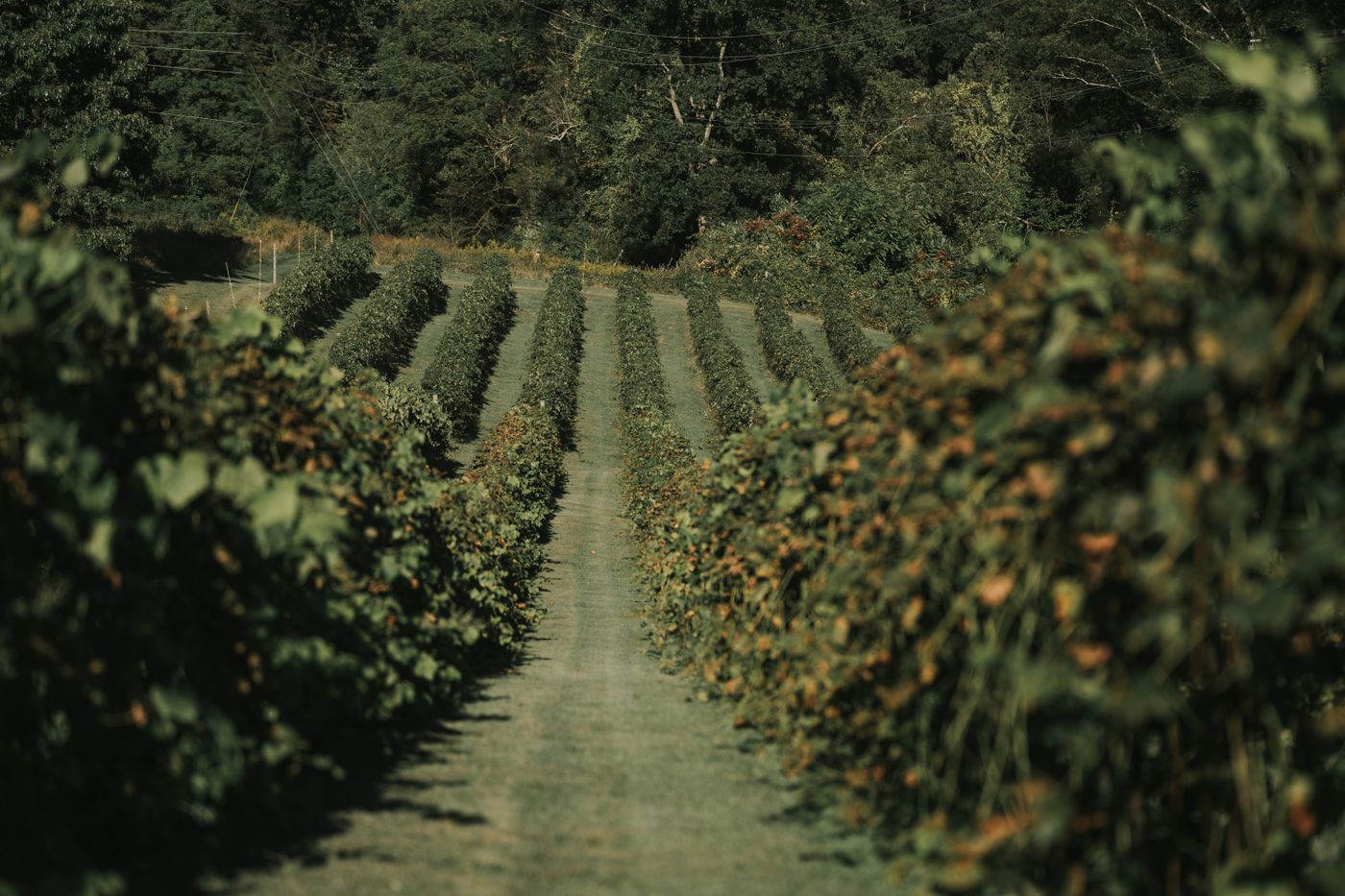
Walk the HMR vineyard in the cool hour after dawn and you are standing in the cradle of Paso Robles fine wine. Dr. Stanley Hoffman put the first Pinot Noir, Chardonnay, and Cabernet into this mountain ground in 1964, and within a decade the legendary Andre Tchelistcheff, the dean of California winemaking, was walking these same rows as consultant. He called the site a jewel of ecological elements. The Van Steenwyk family took it on in earnest, and today the vines climb a high limestone shoulder of the Santa Lucia Range where the soil crunches white underfoot and the Pacific air arrives every evening.
The Van Steenwyk family and a vineyard with a pedigree
Adelaida was founded in 1981, but its soul is older. The estate centers on the Hoffman Mountain Ranch vineyard, HMR for short, planted by Dr. Stanley Hoffman in 1964 and guided in its early years by Andre Tchelistcheff, the Russian-born enologist who had already made Beaulieu’s Georges de Latour Cabernet a benchmark for the entire state. That HMR Pinot Noir went on to compete with Burgundy in blind tastings, an outrageous result for a young California mountain in the 1970s. The Van Steenwyk family acquired the ranch and built Adelaida around it, treating the old vineyard not as a relic but as a working heart.
The modern chapter belongs to winemaker Jeremy Weintraub, who arrived in 2012 with a UC Davis master’s degree and time spent at Seavey in Napa and abroad in New Zealand and Italy. Under his hand Adelaida pulled the brand upward, trimming yields, sharpening farming, and moving the estate vineyards toward organic certification. The result is a house style that prizes precision and tension over sheer size, which is exactly what this high, cold limestone site wants to give.
This is the slope where Andre Tchelistcheff believed Burgundian wine could grow in California, and the vines planted in 1964 are still bearing fruit.
Answer a few quick questions and get your wine personality, your best matches, and where to taste them.
Start the quizA cold limestone perch in the high Adelaida
The Adelaida District is the wildest, highest corner of Paso Robles, a stretch of the Santa Lucia Range where vineyards ride slopes from roughly 900 to 2,200 feet. Adelaida’s estate sits near the top of that range on shallow, chalky calcareous soils, the seabed limestone that gives the district its name. Roots that fight through this rock yield small, concentrated berries and wines with a mineral spine you can taste.
What truly shapes the fruit here is air. The Templeton Gap, a break in the coastal hills, funnels cool marine air off the Pacific each afternoon, and at this elevation the daily temperature swing is enormous. Hot afternoons ripen the fruit while cold nights lock in acidity and aromatics. That diurnal swing is the engine behind Adelaida’s freshness, the reason a Cabernet grown this far inland can still feel lifted and a Pinot Noir can hold its perfume.
Wines that carry mountain tension
The HMR Estate Pinot Noir is the emotional center of the lineup, a wine of red cherry, forest floor, and dried rose that stays light on its feet even in warm vintages, the old vines and cold nights keeping it honest. The estate Cabernet Sauvignon is the surprise for those who think Paso means jam: it is structured and savory, with cassis, graphite, and a chalky grip that reads more mountain than valley floor. The Syrah and Grenache lean to the meaty, peppery, garrigue-driven side of Rhone expression, dark but never heavy.
Adelaida also makes an HMR sparkling wine from the historic vineyard, a fitting tribute to a site Tchelistcheff thought could rival the great cool-climate regions. Across the range the throughline is energy. These are not wines that shout. They build, they hold their line, and they finish with the saline, stony lift that only this limestone and this cold air can supply.
Tell us what is on the table and our pairing generator finds the wine that makes the meal.
Find your pairingWhat to pour Adelaida with
Reach for the estate Cabernet when there is fat and char on the table. Tannin binds to protein and fat, so a tannic red softens and sweetens against a ribeye or, in true Paso fashion, red-oak-grilled tri-tip with the crusty edges left on. The wine’s chalky structure dissolves into the marbling, and the savory, graphite notes echo the smoke. For the HMR Pinot Noir, think mushroom and duck, dishes with earth and gentle richness, where the wine’s bright acid cuts the fat and its forest-floor character finds a partner rather than a fight.
The Syrah and Grenache love anything off the live fire, from lamb to herb-rubbed sausage, the wine’s pepper and the grill’s smoke amplifying each other. Remember that heat amplifies alcohol, so go easy on chiles with these riper reds. If you want to test a specific dish before you pull a cork, our wine pairing generator will steer you to the right bottle in the lineup.
Visiting Adelaida
Getting to Adelaida is part of the experience, a climb up winding Adelaida Road into the high country west of town where the views open across folded hills and the air noticeably cools. The tasting sits on the mountain estate among working vineyards, and pours often include the HMR wines that put this place on the map, sipped within sight of the vines that made them. It is a destination for people who want history in the glass and the geography to match. Tastings are best arranged by reservation, so confirm current hours directly with the winery before you go. For the lay of the surrounding region, our Paso Robles guide is a good place to plan the rest of the day.
Let us match you to the right Paso bottle
Take the 60-second quiz and we will point you to the Paso wines and tasting rooms you will love.
Find your wineAdelaida Vineyards & Winery: common questions
What is the HMR vineyard at Adelaida?
Who is the winemaker at Adelaida?
What wines is Adelaida known for?
What food pairs well with Adelaida Cabernet?
Why is Adelaida’s wine so fresh for Paso Robles?
Where is Adelaida and can you visit?
What is calcareous soil and why does it matter at Adelaida?
Does Adelaida make sparkling wine?
More wineries in Paso Robles
- Allegretto Wines
- Alta Colina Vineyard & Winery
- Ancient Peaks Winery
- Arbuckle Ridge
- Asuncion Ridge Vineyards
- Barton Family Wines and Grey Wolf Cellars
Are you affiliated with this winery?