
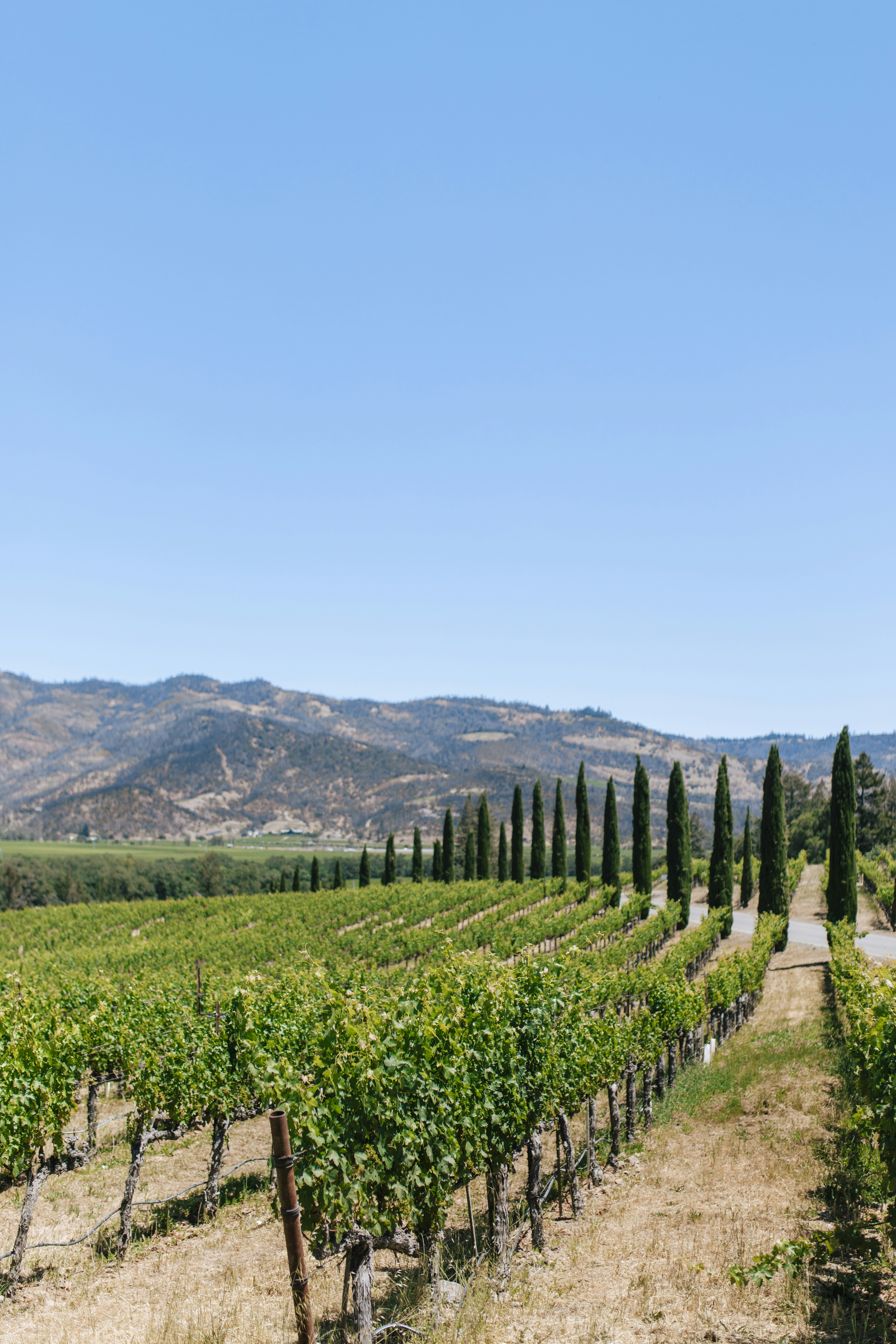
Turtle Rock Vineyards runs on a philosophy you could fit on a cork: you cannot make great wine without great fruit. Don Burns started the boutique winery with his wife Claudia in 2008, and rather than chase a signature gimmick, he chased the best grapes he could find. That meant the famed vineyards of the Westside of Paso Robles, including the legendary James Berry Vineyard farmed by his friend Justin Smith of Saxum. Today Burns pours the results in an intimate, by-appointment tasting room in Tin City, and the wines, Rhone-focused and seriously made, prove the philosophy right.
Great fruit, first and last
Don and Claudia Burns started Turtle Rock in 2008 as a boutique project built on a single, stubborn conviction: the wine is made in the vineyard, and you cannot fake great fruit in the cellar. That belief shaped every decision that followed. Rather than buy land and settle for whatever it gave, Burns went looking for the best grapes in the region and built relationships with the growers who farm them.
That search led him to the Westside of Paso Robles and to friendships with some of its most respected names. Burns sources from some of the same vineyards as his friend Justin Smith of Saxum, including the renowned James Berry Vineyard, ground that has produced some of the most celebrated Rhone wines in America. Access like that is rare, and it speaks to the trust Burns has earned in the community. Beyond his own label, he has mentored other winemakers, including Chris Haisma of Nix Cellars, who made his early wines at Burns facility. Turtle Rock is a small operation with a long reach.
Don Burns sources from some of the same Westside vineyards as his friend Justin Smith, including the renowned James Berry Vineyard, ground that has made some of the most celebrated wines in California.
Answer a few quick questions and get your wine personality, your best matches, and where to taste them.
Start the quizTin City and the Westside vineyards
Turtle Rock pours in Tin City, the district of metal buildings just south of downtown Paso Robles that is home to the regions most independent producers. The tasting room has moved over the years, including a stint at the multi-winery Paso Underground bar downtown, but it now offers educational, intimate seated tastings by appointment in its Tin City space. The by-appointment format suits the wines: this is a place to sit, focus and learn, not to rush a flight.
The fruit comes from the finest vineyards of the Willow Creek and Templeton Gap Districts, two of the most prized corners of the Westside. Willow Creek is high and calcareous, full of the sea-laid limestone that gives Rhone reds their structure and minerality, while the Templeton Gap pulls cool Pacific air through a break in the coastal hills, lengthening the season and keeping the fruit fresh. Sourcing from this cool, high, rocky ground is exactly why Turtle Rock wines have both power and lift.
The wines: Rhone, top to bottom
Turtle Rock is Rhone-focused through and through. The lineup centers on Rhone-style red blends, built mostly around Syrah, Grenache and Mourvedre, the grapes that define the Westside of Paso, alongside a Rhone white blend and a Rosé of Grenache for lighter moments. The reds lean dark, savory and structured, shaped by the cool, calcareous vineyards they come from rather than by heavy-handed winemaking.
Because the whole project rests on sourcing exceptional fruit, the wines carry a strong sense of place, the same vineyard pedigree behind some of the most sought-after bottles in California. The small scale and by-appointment tastings mean you often learn the story of each vineyard as you taste, which is the best way to understand why Westside fruit matters so much. For Rhone lovers, Turtle Rock is one of the most rewarding seated tastings in Tin City.
Tell us what is on the table and our pairing generator finds the wine that makes the meal.
Find your pairingWhat to pour it with
Rhone red blends are some of the most food-friendly wines on the table. A Syrah-led blend, dark and peppery, was built for grilled lamb, sausage, duck and anything with herbs and char, meeting the smoke of the grill on its own terms, while the tannin binds to the fat of the meat and turns silky against it. A Grenache-forward blend, brighter and red-fruited, loves roast chicken, pork and dishes with a little warm spice.
The Rhone white blend, with its texture and acidity, is a natural with richer seafood, roast chicken and creamy dishes, the acid cutting through butter and fat. The Rosé of Grenache is the easy warm-weather pour for salads, charcuterie and grilled vegetables. Across the range, salt and fat are friends, so a board of cured meats and hard cheeses rounds the tannin and lifts the fruit, making it the perfect companion to a seated tasting.
Love serious, vineyard-driven Rhone blends?
Take the 60-second quiz and we will point you to the Paso Robles wines and tasting rooms you will love.
Find your wineTurtle Rock Vineyards: common questions
What is Turtle Rock Vineyards known for?
Who is the winemaker at Turtle Rock?
Where is the Turtle Rock tasting room?
Do I need a reservation at Turtle Rock?
Where does Turtle Rock get its grapes?
What food pairs with Turtle Rock Rhone blends?
What is the James Berry Vineyard?
More wineries in Paso Robles
- Ulloa Cellars
- V1NO JUAN
- Venteux Vineyards
- Verdad & Lindquist Family Wines
- Victor Hugo Winery
- Vigo Cellars
Are you affiliated with this winery?