Sam Mogull Esquivel learned wine in some of Paso Robles’ most exacting cellars. Stephan Asseo of L’Aventure first lit the fire, and she went on to work for Guillaume Fabre of Clos Solene, two producers known for dense, polished, deeply textural reds. From that schooling she built Ruakh, a small-lot label chasing one thing above all: texture, the way a wine actually feels in the mouth. The name is a Hebrew word often translated as breath or spirit, an intangible animating force, which is a fitting label for wines built around sensation rather than just flavor.
A winemaker schooled in texture
Ruakh begins with a strong pedigree and a clear idea. Sam Mogull Esquivel did not inherit a winery; she earned her way into the craft, drawn in after stumbling onto the world of wine education and finding a calling. Her formative influence was Stephan Asseo, the French-born winemaker behind L’Aventure, one of the Paso west side’s most acclaimed estates and a producer famous for bold, structured, intensely concentrated reds. She continued her education working for Guillaume Fabre at Clos Solene, another west-side name celebrated for plush, refined, almost silky wines. Learning under two winemakers this serious about mouthfeel left a mark.
The result is a label with a single-minded philosophy. Where many young brands chase a grape or a score, Sam chases texture. Her stated goal is to make wines that are engaging on the palate, unapologetic about the sensations they elicit, expressive of mouthfeel and terroir alike. The name says it too: Ruakh is a Hebrew word often translated as breath, spirit, or an intangible animating force. It is a deliberately physical, almost spiritual framing for wines meant to be felt as much as tasted.
She chases one thing above all: texture, the way a wine actually feels in the mouth.
Answer a few quick questions and get your wine personality, your best matches, and where to taste them.
Start the quizWest-side Paso, where texture comes from
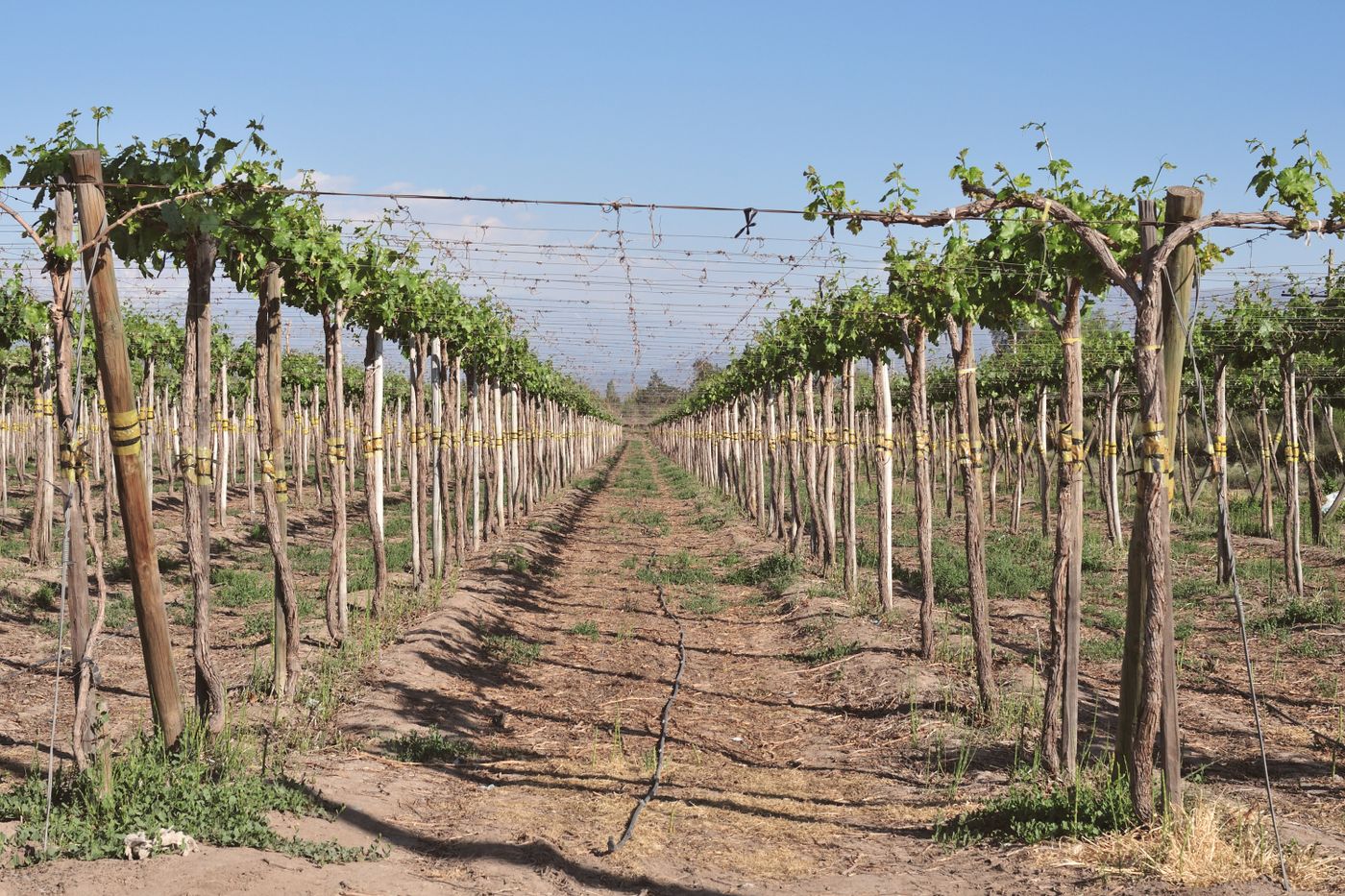
Ruakh works with west-side Paso Robles fruit, which is no accident given what the winemaker is after. The west side is the cooler, higher, limestone-rich half of the appellation, and its terroir is the engine behind the kind of texture she prizes. Calcareous soils, the chalky Monterey-Formation loams and clays that run through districts like Willow Creek, stress the vines and produce small, thick-skinned, concentrated berries. Those skins are where a wine gets its tannin, color, and structural backbone, the raw material of texture.
The climate does the rest. Paso’s west side is defined by an extreme diurnal swing, the dramatic drop from hot afternoon to cold night driven by marine air funneling through the Templeton Gap. Grapes ripen fully under the daytime sun, then the nighttime cooling preserves acidity and aromatic detail. For a winemaker focused on feel, that balance is everything. It lets the fruit develop the ripe, supple tannins that give a wine a velvety or grippy texture without losing the freshness that keeps it from tasting heavy or flat. The wines that taught Sam her craft, the L’Aventure and Clos Solene reds, are products of this same terroir.
The wines, small-lot and tactile
Ruakh is a small-scale operation, and we will keep that honest rather than dress it up. Production is genuinely tiny, made in small lots so each wine can be shepherded by hand toward the texture and expression Sam is chasing. Given her training under Asseo and Fabre, the house leans toward the structured, full-bodied reds the Paso west side does best, with Bordeaux and Rhone varieties at the core. Reported bottlings have included a one hundred percent Petit Verdot and a Petit Verdot-led red blend rounded out with Syrah and Cabernet Sauvignon.
Expect wines built for the mouth. Petit Verdot brings deep color, firm tannin, and dark notes of blackberry, violet, and graphite, an ideal canvas for a winemaker obsessed with structure. Blended with Syrah’s savory black-pepper depth and Cabernet’s spine, the result is dense, layered, and tactile, the kind of wine where the sensation of it crossing your palate is the point. These are not wines designed to disappear into the background; they are made to be noticed, considered, and felt.
Tell us what is on the table and our pairing generator finds the wine that makes the meal.
Find your pairingWhat to pour Ruakh with
Structured, tannic reds like these are built for rich, savory food, and the chemistry is straightforward. Tannin, which Ruakh has in abundance, binds to the fat and protein in meat. That reaction softens the wine’s grip and refreshes your palate, which is why a big red can taste austere on its own but harmonious next to a marbled steak. The wine’s acidity, preserved by Paso’s cold nights, cuts through richness so a fatty dish never overwhelms.
For a Petit Verdot or a Petit Verdot-led blend, reach for the richest red meat you can find: a ribeye, braised short ribs, a rack of lamb, or the Central Coast classic, red-oak-grilled tri-tip, whose smoke and char meet the wine’s dark, structured fruit head-on. Hard aged cheeses like aged Cheddar or Manchego also work, their fat and salt taming the tannin. One caution: keep the spice level moderate, because chili heat amplifies the perception of alcohol and can make a powerful red taste hot and sharp. To match a specific Ruakh bottling to your menu, our wine pairing generator can point the way.
Visiting Ruakh Wines
Ruakh is a small, focused label rather than a large estate with a permanent tasting room, so the surest way to taste the wines and find current releases is through the winery directly. That intimacy is the draw. Buying from a producer this hands-on means the person who made the wine is the person who can tell you exactly what she was reaching for in the glass. For visitors who love discovering boutique winemakers, Ruakh fits naturally into a west-side day spent among the small, terroir-driven producers that define this part of the region. To map out that itinerary and understand the districts, our Paso Robles guide is the place to start.
Let us match you to the right Paso bottle
Take the 60-second quiz and we will point you to the Paso wines and tasting rooms you will love.
Find your wineRuakh Wines: common questions
What is Ruakh Wines?
What does the name Ruakh mean?
Who is the winemaker behind Ruakh?
What kind of wines does Ruakh make?
What food pairs well with Ruakh wines?
Why does Ruakh focus on texture?
Where does Ruakh source its fruit?
Can I visit Ruakh Wines?
More wineries in Paso Robles
Are you affiliated with this winery?