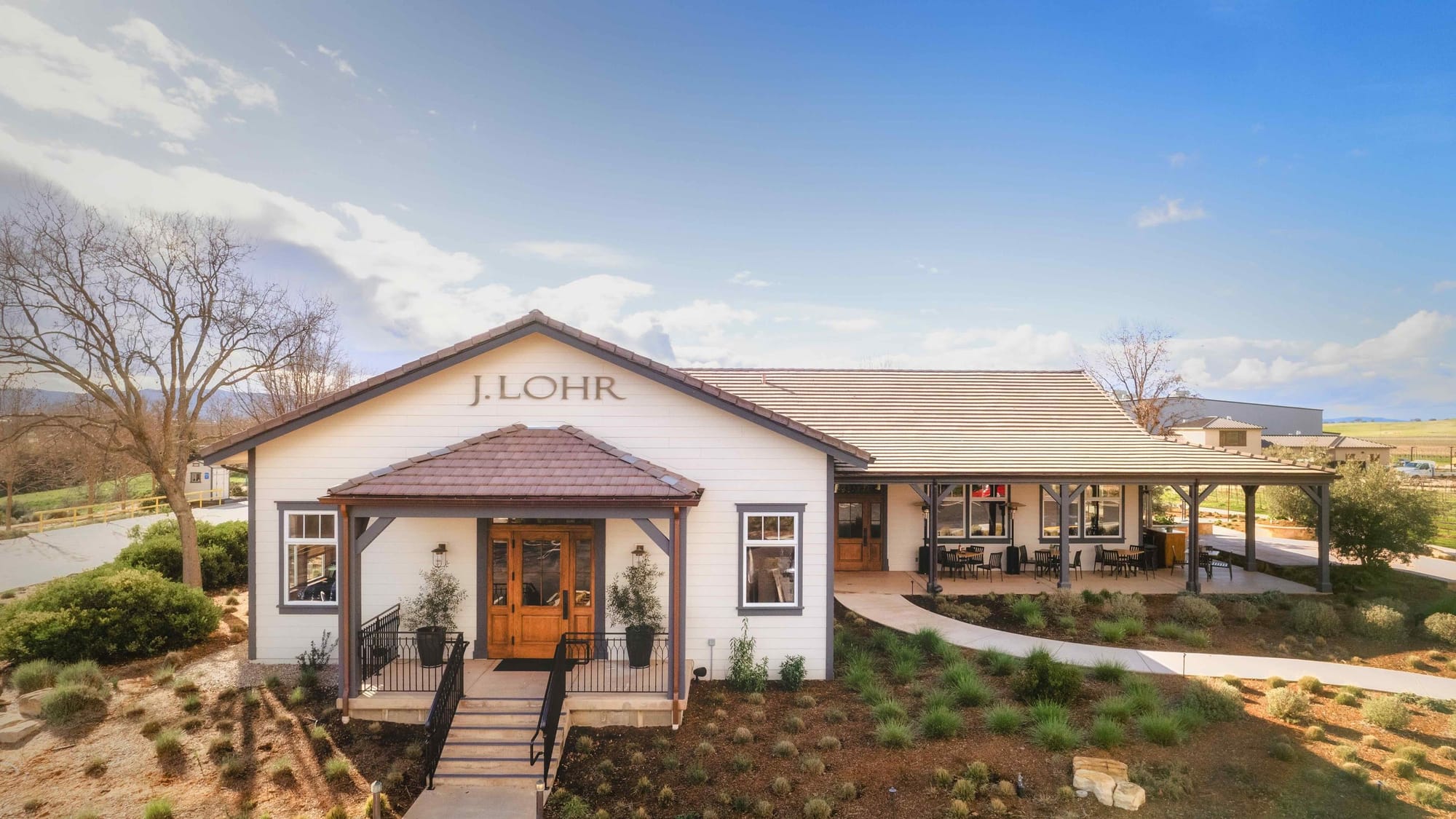
Drive the northeast corner of Paso Robles, past the airport on the Estrella plain, and the vines run to the horizon in clean rows that catch the morning light. This is where Jerry Lohr made one of California’s great bets on Cabernet Sauvignon, and where the Estrella District earned its reputation one warm afternoon and cool night at a time.
The farmer who bet on Paso
Jerry Lohr grew up on a row-crop farm in South Dakota, and he never lost the farmer’s instinct for reading land. He founded J. Lohr in 1974, starting in Monterey County’s cool Arroyo Seco, where the wind and rocky soils suited Chardonnay. But Lohr was watching Paso Robles, and in 1986 he began planting Cabernet Sauvignon and other reds in the warm northeastern reach of the appellation that would later be drawn as the Estrella District. By 1988 he had opened a production facility here, an early vote of confidence in a region most of the wine world had not yet discovered.
That early bet shaped Paso Robles. Lohr helped prove that this warm inland ground could ripen Cabernet to a richness that rivaled far more famous addresses, and he did it at a scale that put Paso on grocery shelves and restaurant lists across the country. Today J. Lohr remains family owned, a rarity at its size, and the founder’s name still rides on every label.
Jerry Lohr started planting Cabernet on the Estrella plain in 1986, years before most of the wine world knew Paso Robles existed.
Answer a few quick questions and get your wine personality, your best matches, and where to taste them.
Start the quizWhy the Estrella District works
The Estrella District sits in the northeastern corner of Paso Robles, rolling plains and river terraces of the Estrella River that run from roughly 745 to 1,800 feet. The soils are deep and alluvial, the kind of free-draining ground that makes a vine work for its water and concentrate its fruit. The climate is genuinely warm, a Region III in the old heat classification, with long sun-soaked days that build ripeness and color.
What saves the acid, and the wine, is the swing. Estrella nights drop 35 to 40 degrees below the afternoon high, a daily cooling that lets the grapes rest, hold their freshness, and keep the lift that separates a great Paso Cabernet from a merely big one. Jerry Lohr understood that mechanism before most, and the Estrella plantings were laid out to use it.
The wines
J. Lohr makes wine across seven tiers, but the heart of the house is Cabernet Sauvignon. The Signature Cabernet sits at the top, a barrel-selected expression of the estate’s best blocks, while Pure Paso, the proprietary red, leans into the warm, plush, fruit-forward character that made the region famous. Below those, the widely poured J. Lohr Estates line, led by the Seven Oaks Cabernet, is the bottle that introduced a generation of drinkers to Paso Robles.
The style is unmistakably Paso: ripe cassis and dark plum, a warm sweetness of fruit, supple tannins, and enough freshness underneath to carry it to the table. These are not lean, austere reds. They are generous wines built for pleasure, and they reward a steak or a slow Sunday more than a tasting-note checklist.
Tell us what is on the table and our pairing generator finds the wine that makes the meal.
Find your pairingWhat to pour it with
A J. Lohr Cabernet was built for protein and fat, and the chemistry is simple. The wine’s firm tannins bind to the proteins in a well-marbled ribeye, so the tannins soften and round out while the steak tastes cleaner and less greasy. Pour the Signature or Seven Oaks beside a grilled rib steak with a char on the outside, and each makes the other better.
The same structure loves lamb, short ribs braised until they fall apart, and aged hard cheese. Reach for the warmth of the fruit when the dish is rich and a little sweet, like a plum-glazed pork or barbecue in a tomato-based sauce. Where it struggles is delicate white fish, where there is no fat for the tannin to grab and the wine turns metallic and bitter. Keep this bottle for the hearty end of the table.
Let us match you to the right Paso Cabernet
Take the 60-second quiz and we will point you to the wines and tasting rooms you will love.
Find your wineJ. Lohr Vineyards & Wines: common questions
What is J. Lohr known for?
Who founded J. Lohr?
Where is the J. Lohr Paso Robles tasting room?
What is the Estrella District known for?
What food pairs with J. Lohr Cabernet?
What does Pure Paso taste like?
Is J. Lohr still family owned?
More wineries in Paso Robles
- Jack Creek Cellars
- Jada Vineyard and Winery
- Kaleidos
- Keplinger Wines
- Kiamie Wine Cellars
- Kiler Canyon Vineyard
Are you affiliated with this winery?