Walk up to the Shale Oak tasting room and the first thing you notice is the roof, which is alive. Founder Al Good planted it with greenery, part of a building that earned LEED Gold certification, a rarity in wine country. Good started Shale Oak around 2008 with a holistic, sustainable plan baked in from the soil up. The estate spans roughly 70 acres across two properties, a west-side site for Rhone varieties and Zinfandel and a Pleasant Valley site for Bordeaux grapes and Albarino. Winemaker Curtis Hascall has been turning that fruit into small-batch wine since 2010.
Al Good builds green from the ground up
Most wineries bolt sustainability on after the fact. Al Good built it in. When he launched Shale Oak around 2008, the plan was holistic from the start, from how the vineyards were planted to how the tasting room was constructed. The result is a building that earned LEED Gold certification, the green-building standard that grades a structure on energy use, materials, water, and environmental design. In wine country, where most tasting rooms are barns or sheds, that is genuinely unusual.
The signature feature is the living roof, a planted green roof that insulates the building and ties it visually into the hillside behind it. The whole property is SIP certified too, short for Sustainability in Practice, a certification for growers and winemakers that audits everything from water and energy to habitat and labor. Winemaker Curtis Hascall arrived in 2010 and has shaped the cellar ever since, working in small batches that keep the focus on individual blocks rather than volume.
A LEED Gold tasting room with a living roof, built sustainable from the soil up.
Answer a few quick questions and get your wine personality, your best matches, and where to taste them.
Start the quizTwo sites, two soils, two missions
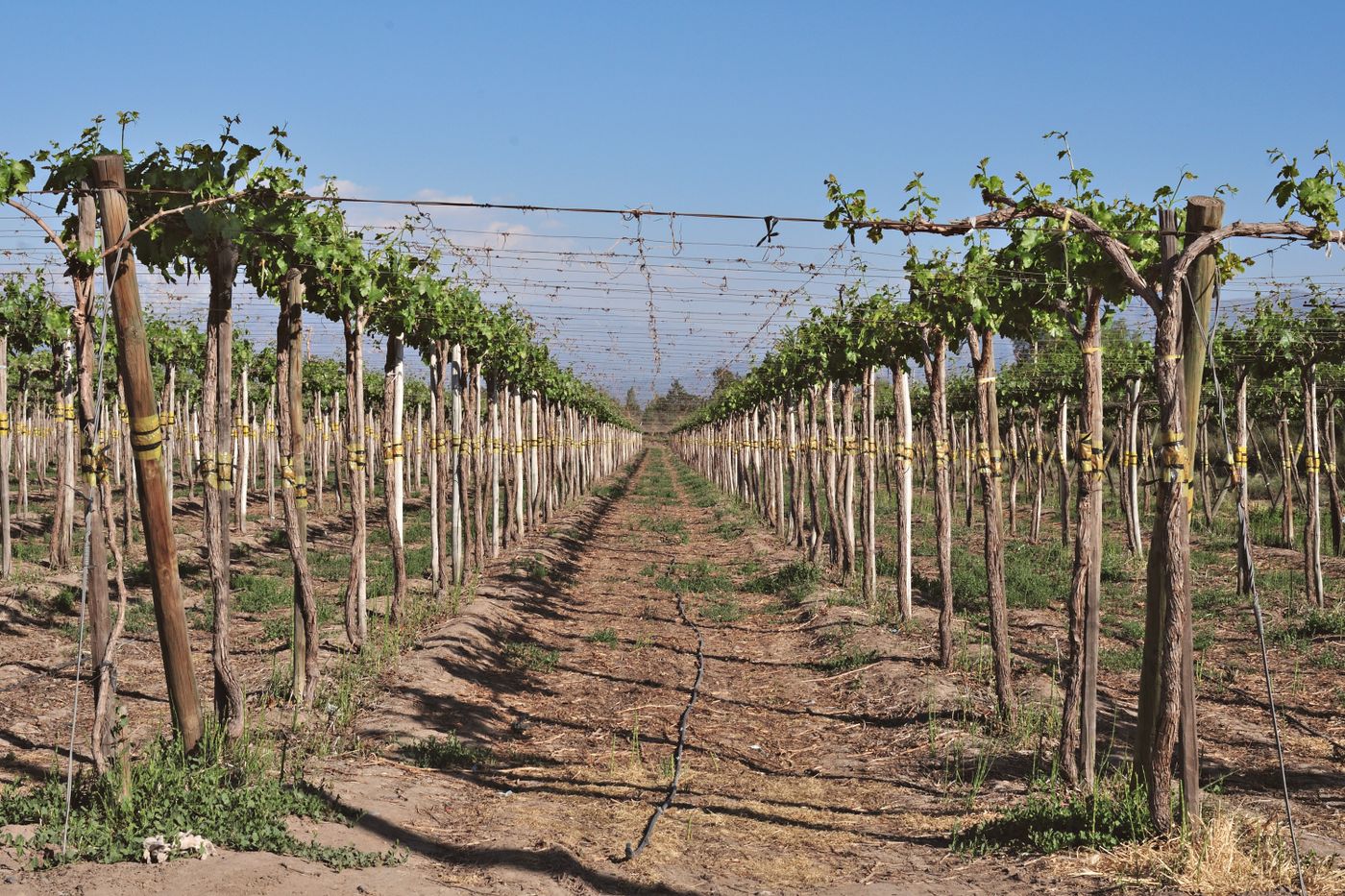
Shale Oak farms roughly 70 acres split across two distinct properties, and the split is deliberate. The west-side site, on the limestone-laced Paso slopes, is given over to Rhone varieties and Zinfandel, the grapes that thrive in calcareous, well-drained ground with warm days and cold nights. That cooling comes from marine air drawn in through the Templeton Gap, which drops nighttime temperatures sharply and preserves the acidity that keeps these bigger reds lively.
The second site, in Pleasant Valley, is planted to Bordeaux varieties and Albarino. Splitting the program this way lets each grape sit where it does best rather than forcing one vineyard to do everything. The name itself is a soil reference: shale and oak, the bedrock and the trees of the Paso west side. It is a fitting badge for a winery that treats the ground it farms as the starting point rather than an afterthought.
Small batches, from Albarino to Petit Verdot
Hascall works in small lots, and the range shows real spread. On the white side, the Albarino is the calling card, a bright, juicy coastal grape from the Pleasant Valley site that has pulled serious hardware, including a Double Gold at the Central Coast Wine Competition. It is crisp and saline, the kind of white that drinks like the Atlantic coast of Spain where the grape comes from. There is also a white Rhone-style blend for fans of richer, textured whites.
The reds are where the Paso muscle shows. The Syrah has earned platinum and 100-point scores at competition, dark and concentrated in the way west-side Syrah does so well. The Zinfandel brings brambly, spicy fruit, and the Petit Verdot stands out as a deep, ruby, structured red that most wineries only ever use as a blending grape. Tasting through, you get the full sweep of what the two sites can do, from a delicate coastal white to dense, age-worthy reds.
Tell us what is on the table and our pairing generator finds the wine that makes the meal.
Find your pairingWhat to pour Shale Oak with
Match the wine to the chemistry of the plate. The crisp, high-acid Albarino is a cutting wine, and acid cuts richness, so it shines against fried calamari, grilled shrimp, ceviche, or anything with a squeeze of lemon. The acid resets your palate between bites of fatty or fried food, which is exactly what you want with seafood. Keep the dish light and let the wine do the brightening.
The reds flip the logic. The Syrah and Petit Verdot carry firm tannin, and tannin binds to protein and fat, so they want red-oak-grilled tri-tip, lamb, or a hard, aged cheese. The Zinfandel, with its spice and brambly fruit, is a natural with barbecue, though watch the heat: capsaicin amplifies the perception of alcohol, so a very spicy sauce can make a high-octane Zin taste hot. Choose smoky over fiery. For a precise match to whatever you are cooking, our wine pairing generator will narrow it down fast.
Visiting Shale Oak Winery
The tasting room sits on the Paso Robles west side, and the building itself is the draw before you even pour a glass. The living roof, the LEED Gold construction, and the outdoor space make it a genuine eco-winery to walk through, not just a label that says sustainable. Settle in outside, taste from the Albarino through the reds, and you get the full small-batch range in one sitting. Reservations are the norm at boutique west-side rooms like this, so book ahead rather than dropping in, and hours shift with the season. For planning a west-side route that includes Shale Oak and the limestone wineries around it, our Paso Robles guide lays out how to do it well.
Let us match you to the right Paso bottle
Take the 60-second quiz and we will point you to the Paso wines and tasting rooms you will love.
Find your wineShale Oak Winery: common questions
Who founded Shale Oak Winery?
What makes Shale Oak eco-friendly?
What wines does Shale Oak make?
Who is the winemaker?
What food pairs best with Shale Oak wines?
How big is the estate?
Has Shale Oak won awards?
Do I need a reservation to visit?
More wineries in Paso Robles
- Silver River Vineyards
- Sixmilebridge Winery
- Songs by Bodega de Edgar
- Stiekema Wine Company
- Still Waters Vineyards
- Stilson Cellars
Are you affiliated with this winery?