When Kunal Mittal proposed to Neeta, he gave her sixty-four roses and then one more, sixty-five in all. That extra rose became the idea behind LXV. In ancient Indian thought there are sixty-four classical arts of living, and since none of them mention wine, Neeta and Kunal made wine the sixty-fifth, the meaning hidden in the Roman numerals LXV. Founded in 2011, their downtown Paso Robles tasting room on Pine Street pairs Bordeaux-rooted wines with elaborate Indian spice blends, an experience that has been named among the best in the country.
Sixty-four arts, one more rose, and a sixty-fifth scripture
LXV is Roman numerals for sixty-five, and the number carries two stories at once. The romantic one is the proposal: Kunal Mittal gave Neeta sixty-four roses plus one. The cultural one runs deeper. Classical Indian tradition counts sixty-four arts of living, from music and dance to architecture and needlework, and none of them is wine. Neeta and Kunal decided their own journey would be the sixty-fifth, an ode to wine, and named the winery for it.
Neeta Mittal is one of the first Indian women to own a winery in the United States, and the family brings its heritage straight to the table. Neeta’s father came from a part of India long known for spice, and her mother loved experimenting with flavor, so it was natural that LXV would build its identity not around the usual language of pH and acidity but around aroma, spice and sensation. Founded in 2011, the project pairs every wine release with its own bespoke spice blend.
There are sixty-four classical arts in Indian tradition and not one mentions wine, so the Mittals made wine the sixty-fifth.
Answer a few quick questions and get your wine personality, your best matches, and where to taste them.
Start the quizBordeaux grapes on a Willow Creek slope
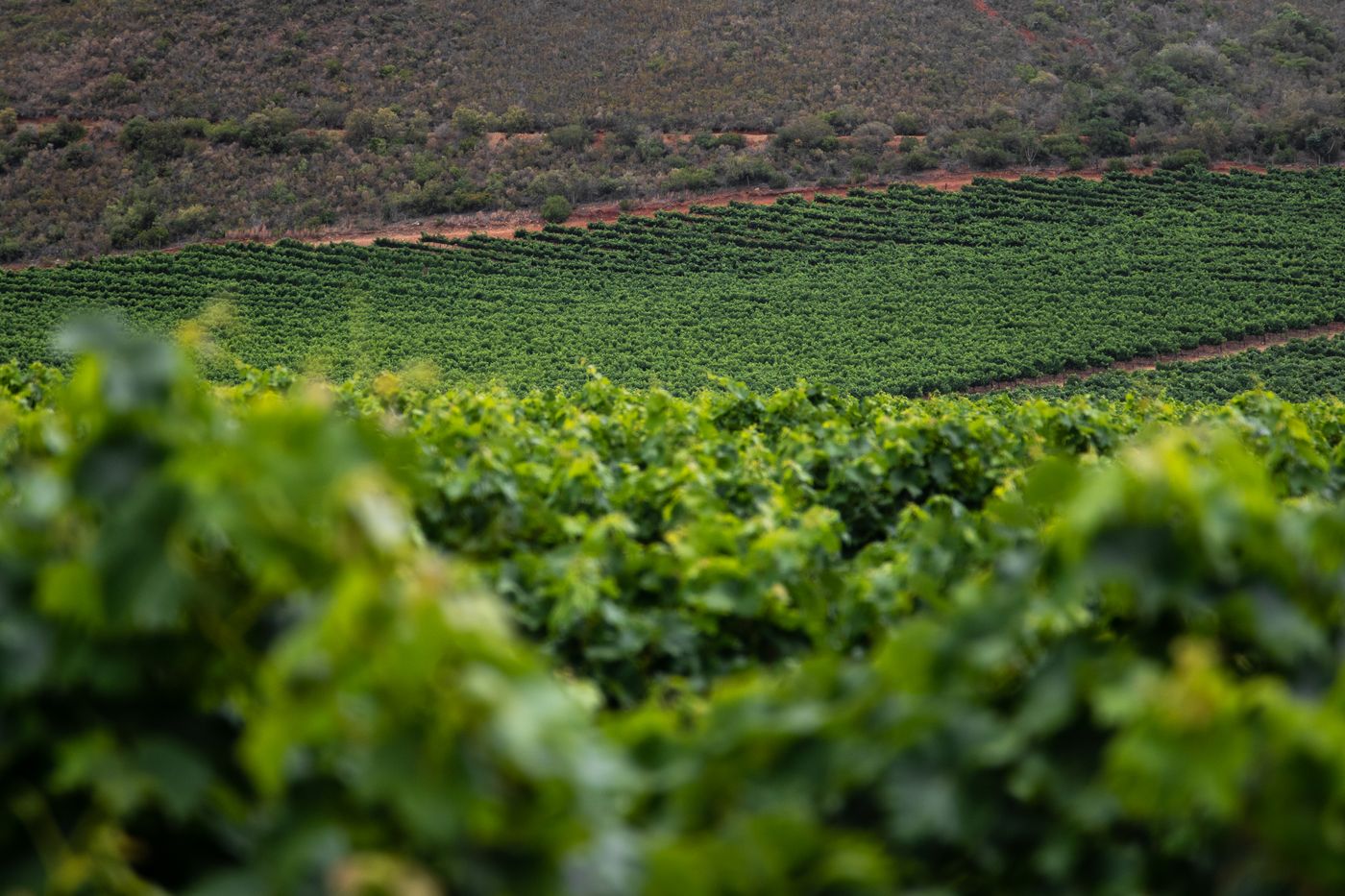
LXV is a Bordeaux-rooted house. The Mittals fell for Bordeaux varieties, and with encouragement from the Paso Robles winemaking community they bought property in the Willow Creek District, the cool, high, limestone heart of the west side, where their estate vineyard and home now sit. They also craft wine with a connection to Saint-Emilion in Bordeaux itself, so the house literally spans two of the world’s great Cabernet and Merlot regions.
Willow Creek is the place that makes the Paso version work. Its steep, calcareous slopes of Monterey-Formation loam and clay sit in a Region II climate where ocean air pushes in and drops the temperature hard at night. That big diurnal swing lets Bordeaux grapes ripen fully in the warm days while holding the acidity and freshness that keep the wines structured rather than heavy. Limestone gives them grip and a mineral spine, exactly the backbone a spice-driven pairing program needs to lean on.
What LXV wine actually tastes like
LXV makes Bordeaux varieties through a Paso lens, which means generous fruit framed by the freshness that a cool Willow Creek slope provides. The Cabernet Sauvignon and Cabernet-based blends show cassis and blackberry, cedar and graphite, with firm but ripe tannins and a long, savory finish. The Merlot is plush and plummy with a cocoa edge, while Cabernet Franc brings the variety’s signature lift of red fruit, crushed herb and a graphite, peppery snap that makes it a natural partner for spice.
The rose deserves its own mention, because it anchors one of the winery’s most famous pairings. The Cabernet Franc rose is poured alongside a house spice blend of hibiscus, lavender, coriander, cumin, black pepper, Persian lime and black garlic, a deliberate demonstration that wine and spice can amplify each other rather than collide. Across the lineup the wines are made to be tasted with flavor, not in a vacuum.
Tell us what is on the table and our pairing generator finds the wine that makes the meal.
Find your pairingWhat to pour LXV with
LXV exists to prove that wine and spice belong together, and the chemistry backs it up if you respect a few rules. The structured Cabernet and Cabernet blends are tannic, and tannin binds to protein and fat, so they shine with rich, savory Indian dishes built on lamb, ghee or paneer, where the fat softens the tannin and the wine’s acidity cuts the richness. The trap is chile heat: alcohol amplifies capsaicin, so a high-alcohol red can make a fiery curry feel hotter and more bitter. The fix is to match aromatic, warming spice rather than raw heat, which is exactly what LXV’s spice blends are designed to do.
For genuinely spicy food, lean on the brighter, lower-tannin pours. The Cabernet Franc rose, with its acidity and gentle sweetness of fruit, refreshes the palate against chile heat, since a touch of sweetness tames the burn while acid cleanses the fat and spice. Aromatic, herb-and-spice dishes flatter Cabernet Franc’s own peppery, herbal lift. When you want to translate this to your own kitchen, the wine pairing generator will help you find a match for a specific dish.
Visiting LXV Wine
LXV pours in downtown Paso Robles, near the corner of 13th and Pine Streets, just off the central square, which makes it one of the easiest serious tasting experiences to fold into a walkable day in town. The signature is the guided wine-and-spice pairing, where each wine arrives with its own custom blend and the conversation turns from technical jargon to aroma and sensation; the experience has been recognized among the best wine tastings in America. Because the pairing flights are an immersive, seated affair, reservations are strongly recommended, and you should confirm current hours before you go. To see how the downtown scene connects to the surrounding vineyards, including the Willow Creek District where LXV’s fruit is grown, consult our Paso Robles guide.
Let us match you to the right Paso bottle
Take the 60-second quiz and we will point you to the Paso wines and tasting rooms you will love.
Find your wineLXV Wine: common questions
What does the name LXV mean?
Who owns LXV Wine?
What kind of wine does LXV make?
What is the LXV spice pairing experience?
How do you pair wine with spicy Indian food?
Where is the LXV tasting room?
Where does LXV source its grapes?
Is LXV a good tasting room to visit in Paso Robles?
More wineries in Paso Robles
- Marin’s Vineyard
- McPrice Myers Wines
- MCV Wines
- mid-point winery
- Misty Oaks Vineyards
- Mitchella Vineyard & Winery
Are you affiliated with this winery?