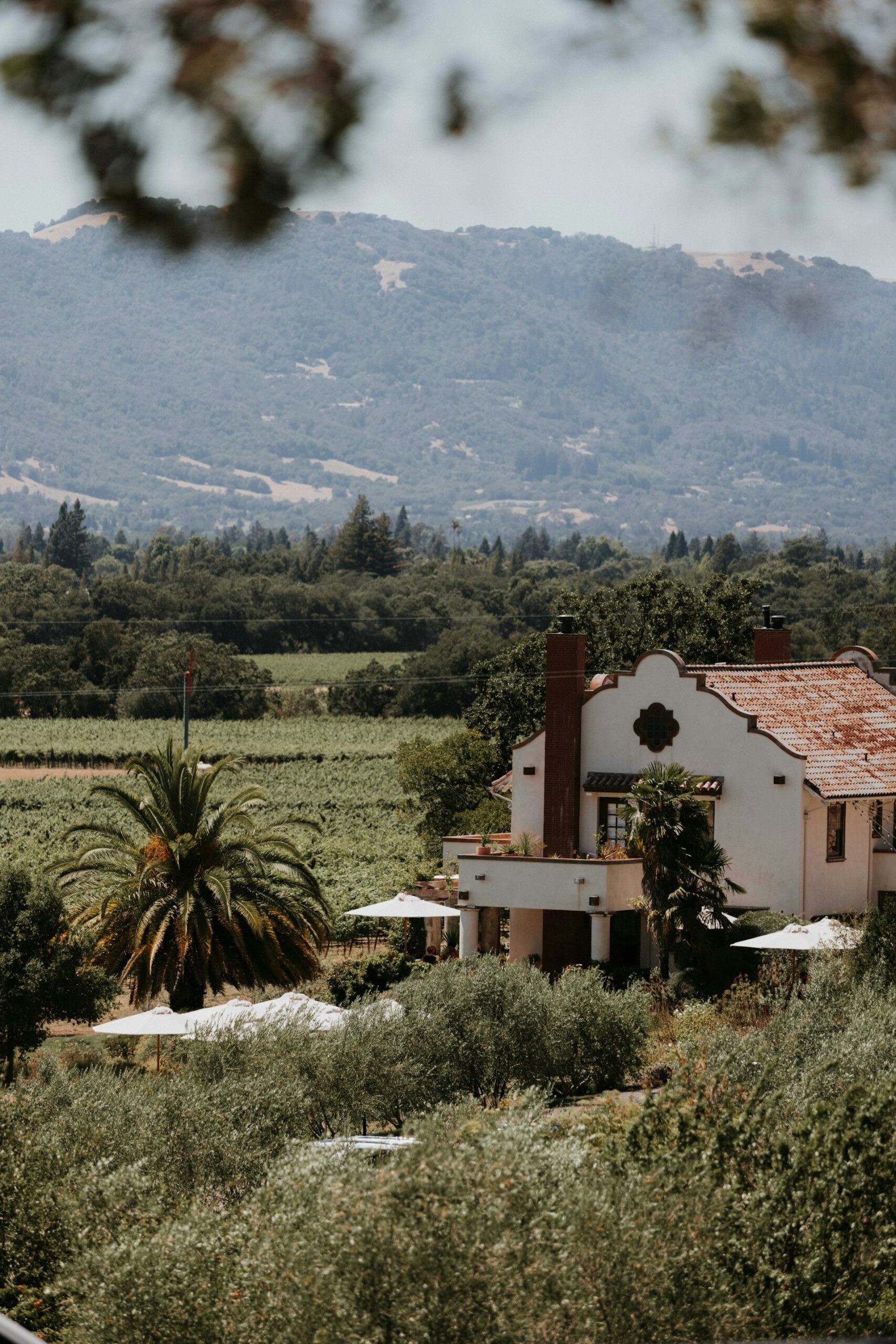
In 1997 Brock and Michelle Waterman planted twenty acres of Zinfandel on a steep hillside on the west side of Paso Robles, head-pruned and dry-farmed the old way, with no irrigation lines to lean on. A year later they made their first wine and gave the label a name that fused their own: Brochelle, Brock and Michelle stitched together. Nearly three decades on, it remains a deliberately tiny boutique red house, best known for a rich, dry-farmed Zinfandel and a tight roster of luxurious reds. The farming is old-school on purpose. So is the philosophy.
Two names, one bottle
Brochelle is a portmanteau, the founders’ names fused into one word: Brock and Michelle Waterman, the husband-and-wife team behind the label since its 1998 debut. The name signals the scale and the spirit. This is a personal, boutique operation, not a corporate estate, a red-wine house run by the two people whose names are literally on the bottle. The story starts in 1997, when the Watermans planted twenty acres of Zinfandel on a hillside on Paso’s west side, and continues with a first vintage the very next year.
What sets Brochelle apart is how stubbornly old-school the farming is. The Watermans dry-farm and head-prune their vines, two traditional, labor-intensive choices that most modern vineyards have abandoned. Dry farming means no irrigation: the vines must send roots deep to find water, which lowers yields and concentrates flavor. Head pruning, the free-standing, goblet shape rather than wires and trellises, is the old California way and forces the vine to self-regulate. The reward is intensely flavored fruit, and a wine that tastes like a deliberate choice rather than a default.
Brochelle is Brock and Michelle stitched together, and the wine is just as much a fusion: old-school dry farming poured into bottles built for pleasure.
Answer a few quick questions and get your wine personality, your best matches, and where to taste them.
Start the quizA west-side hillside built for concentration
Brochelle’s fruit comes from the west side of Paso Robles, the cooler, hillier, more dramatic half of the region where the best old-vine Zinfandel tends to live. The west side rises toward the coastal range, and its calcareous, limestone-laced soils drain hard and stress the vines, which is exactly what a winemaker chasing concentration wants. On a dry-farmed, head-pruned hillside like the Watermans’, that stress is dialed all the way up, the vines fighting for every drop of water and pouring their energy into a small crop of intense fruit.
The climate finishes the job. The Templeton Gap, the gap in the coastal mountains that lets cool Pacific air spill inland in the afternoon, gives the west side one of the most extreme day-to-night temperature swings in California wine country. Hot, sun-drenched days build the ripe, jammy fruit and high sugars that Paso Zinfandel is famous for, while cold nights claw back acidity and freshness so the wine stays lively instead of heavy. That swing is why a Paso Zin can be big and bold yet still drinkable, and it is the natural engine behind Brochelle’s voluptuous style.
Voluptuous Zinfandel and a cast of bold reds
Zinfandel is the star, and Brochelle has been making its luxurious version since the founding vintage. Expect a big, generous, almost decadent wine: ripe brambly blackberry and boysenberry, a swirl of black pepper and baking spice, and the supple, plush texture that comes from low-yield, dry-farmed fruit. This is Zinfandel in its full Paso expression, bold and warming, but the old-vine concentration and that cooling night air keep it structured rather than flabby. It is the bottle the winery built its name on.
The supporting cast keeps the red theme going. Syrah brings a darker, more savory, peppery counterpoint, Grenache adds a redder, brighter, more perfumed note, and Petite Sirah delivers the inky, tannic heavyweight of the lineup. Cabernet Sauvignon supplies cassis and firm structure, and the house blends, poured under the names Luxe and Silk, weave these grapes together into wines whose very names promise texture and indulgence. There are small amounts of Chardonnay too, but make no mistake, Brochelle is a red house, and the reds are where its heart beats.
Tell us what is on the table and our pairing generator finds the wine that makes the meal.
Find your pairingWhat to pour Brochelle with
Big reds need big food, and the chemistry is straightforward. Brochelle’s Zinfandel runs ripe, bold, and warming, and its tannin binds protein and fat, so the classic move is fatty, flavorful, slightly sweet-edged barbecue: smoked ribs, pulled pork, brisket, or a red-oak-grilled tri-tip with a sticky glaze. The fruit-forward Zin can stand up to barbecue sauce in a way a delicate red cannot, and the meat’s richness tames the wine’s grip. One caution: Zinfandel often carries high alcohol, and chile heat amplifies the perception of alcohol, so go gentle on the fiery rubs or the wine will taste hot.
The Petite Sirah and Cabernet, with their heavier tannins, want the leanest, most protein-rich cuts, a peppercorn ribeye or braised short ribs, where the tannin has plenty of fat and protein to bind. Grenache and the softer blends pair happily with roast chicken, lamb, and herbed vegetables. To dial in a precise match for a specific Brochelle bottle and your menu, our wine pairing generator will give you a fast, sound starting point.
Visiting Brochelle
Brochelle keeps a tasting lounge on the east side of downtown Paso Robles, a relaxed urban room where you can settle in with the dry-farmed Zinfandel and the rest of the red lineup without driving out to the vineyard, even though the fruit itself comes from the west-side hills. It is an easy, low-key stop, the kind of place built for lingering over a flight rather than rushing through a checklist, and the small scale means the pours come with real conversation about the dry-farming and head-pruning behind the wines. Because hours at boutique tasting rooms can change with the season, check current hours or book ahead before you visit, particularly on weekends when the room fills up. If you are stitching together a full Paso day, mixing downtown lounges like this one with the west-side hills where the grapes actually grow, our Paso Robles guide lays out how to plan the route.
Let us match you to the right Paso bottle
Take the 60-second quiz and we will point you to the Paso wines and tasting rooms you will love.
Find your wineBrochelle Vineyards: common questions
What does the name Brochelle mean?
What is Brochelle best known for?
What does dry-farmed and head-pruned mean?
Where do Brochelle’s grapes come from?
What food pairs best with Brochelle Zinfandel?
What other wines does Brochelle make besides Zinfandel?
Where can I taste Brochelle wines?
How big is Brochelle Vineyards?
More wineries in Paso Robles
- Bushong Vintage Company
- Cab House at Hansen Vineyards
- Caelesta Wines, Vineyard, and Truffiere
- Cairjn Wine Cellars
- Calcareous Vineyard
- CaliPaso Winery
Are you affiliated with this winery?