Pull into Tin City on a weekday morning, before the lot fills, and you can hear the difference between a brand built on marketing and one built on work. The roll-up doors are open at Aaron Wines, a forklift is somewhere in the back, and Aaron Jackson is usually within shouting distance of the wine he made. This is not a chateau. It is a working cellar with a tasting bar bolted onto the front, and that is exactly the point.
The winemaker and the long apprenticeship
Aaron Jackson grew up on the Central Coast and got his first taste of the wine trade as a teenager in the late 1990s, working summers as a vineyard hand in the hills around Paso Robles. He remembers a town in the middle of an identity crisis, planting Cabernet, Merlot and Chardonnay because that was what sold, even though buyers who pictured those grapes pictured Napa, not Paso. A handful of growers started looking for something that was truly theirs, and Jackson grew up inside that search.
He launched Aaron Wines in 2002 and has spent the years since unearthing what the vineyards around his homeland can actually do. The label has stayed small and personal on purpose. The whole operation lives under one roof in Tin City, so the person who farmed the decision is the person who blended it, and very often the person who pours it for you. Jackson has since added a second label, Akana, for his cool-climate Chardonnay, but the founding idea has not moved: find the right ground, pick at the right moment, and stay out of the wine as much as the vintage allows.
Aaron Jackson has been chasing the real Paso Robles since he was a teenager pulling leaves in the vineyards, long before the town figured out what it wanted to be.
Answer a few quick questions and get your wine personality, your best matches, and where to taste them.
Start the quizTin City and two very different Paso climates
Aaron Wines sits in Tin City, the cluster of working wineries, breweries and distillers in the metal-clad buildings just south of downtown Paso Robles, off Highway 101. There are no vines out the door here. Tin City is where the fruit comes to be made and where you taste it, and that honesty is half its charm. You are drinking in the room where the wine was born.
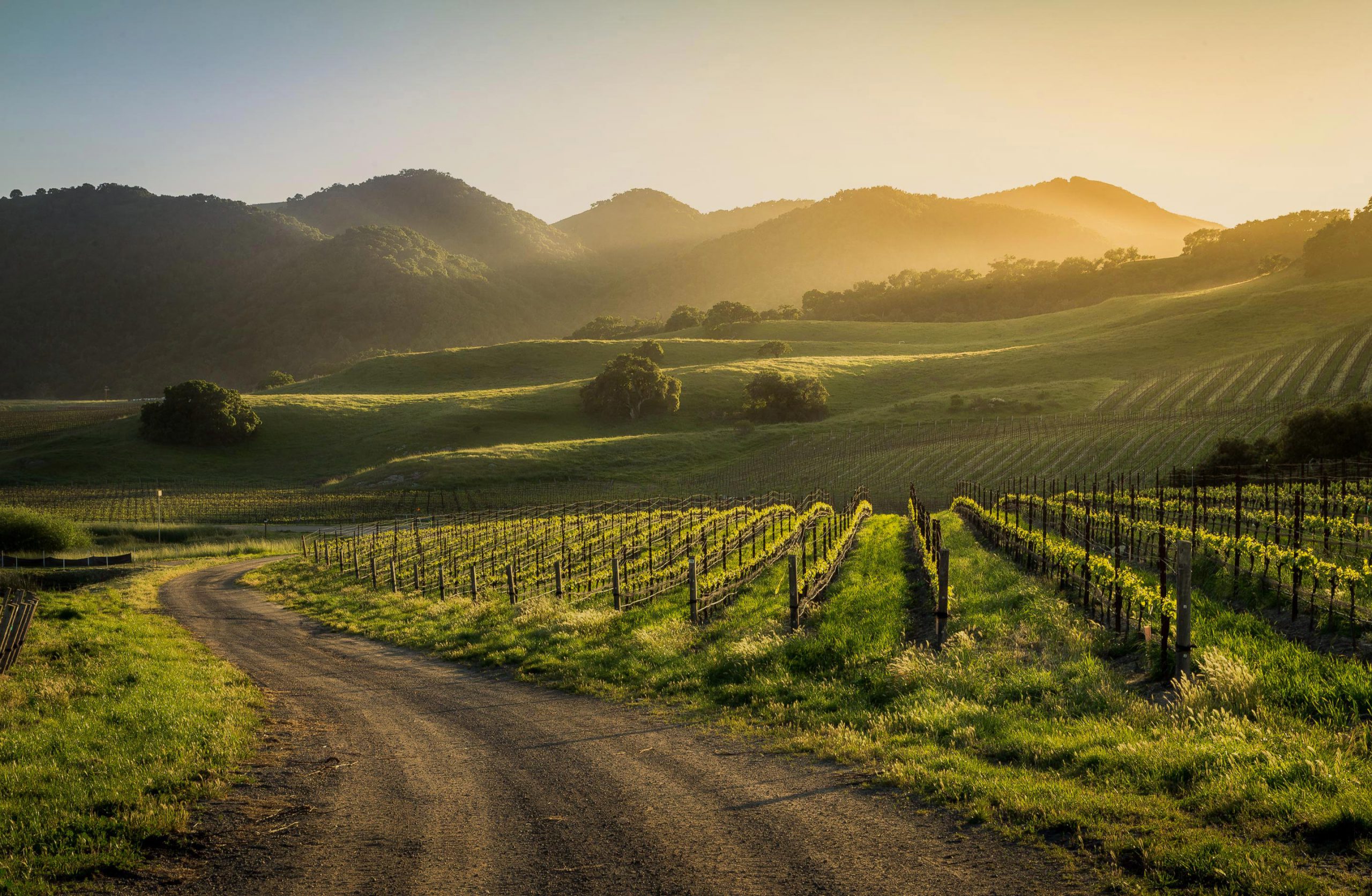
The fruit itself comes from two opposite worlds. The Petite Sirah and Rhone grapes are grown on the rugged hillsides of the west side of Paso Robles, where calcareous soils, real elevation and a daily temperature swing of more than twenty-five degrees give the reds their structure and their dark, savory depth. The aromatic whites and the Pinot Noir come from the far western edge of the region, the chilly SLO Coast vineyards on the cold side of the Santa Lucia Mountains, where Pacific air keeps the grapes tense and high in acid. One brand, two climates, and a winemaker who clearly loves the contrast.
The wines: bold reds, bright whites
The heart of Aaron Wines is Petite Sirah, a grape built for Paso. Expect a deeply colored, full-bodied red with blackberry and plum, a savory pepper edge and the firm tannin that makes the variety age. Alongside it sit Rhone reds and blends, Syrah and Grenache among them, that lean into warmth and spice rather than chasing softness.
Then the wine flips. The whites and the Pinot Noir, several bottled under the Akana label, come from cold coastal sites and taste like it: a Chardonnay with cut and citrus rather than butter, aromatic whites that smell like the sea air they were grown in, and a Pinot Noir that is red-fruited and lifted rather than heavy. Tasting the lineup in one sitting is the best short course in Paso Robles you can get, because it shows you that the region is not one thing. It is a warm interior and a cold coast within a single drive.
Tell us what is on the table and our pairing generator finds the wine that makes the meal.
Find your pairingWhat to pour it with
Petite Sirah was made for fat and char. Its big tannins bind to protein and melt against a fatty cut, so a peppered ribeye, short ribs, or anything off a smoky grill is the move. The tannin scrubs the richness, the meat tames the tannin, and both taste better for the company. Skip it with delicate fish, where there is nothing for that grip to grab and the wine turns bitter.
The Rhone reds love lamb, sausage and herbs, the flavors of their southern French homeland. For the coastal whites, go the opposite direction: their high acid slices through cream and butter, so think grilled halibut, a lemony roast chicken, oysters, or fried anything, where the wine resets your palate for the next bite. The Pinot Noir wants mushrooms, duck or salmon, meeting their earthy, savory notes on common ground.
Not sure if you are a Petite Sirah person or a coastal Chardonnay person?
Take the 60-second quiz and we will point you to the Paso Robles wines and tasting rooms you will love.
Find your wineAaron Wines: common questions
What is Aaron Wines known for?
Who is the winemaker at Aaron Wines?
Where is the Aaron Wines tasting room?
What are the Aaron Wines tasting room hours?
Is Aaron Wines in Tin City or downtown Paso Robles?
What food pairs with Petite Sirah from Aaron Wines?
Does Aaron Wines make white wine?
More wineries in Paso Robles
- Absolution Cellars
- Adelaida Vineyards & Winery
- Allegretto Wines
- Alta Colina Vineyard & Winery
- Ancient Peaks Winery
- Arbuckle Ridge
Are you affiliated with this winery?