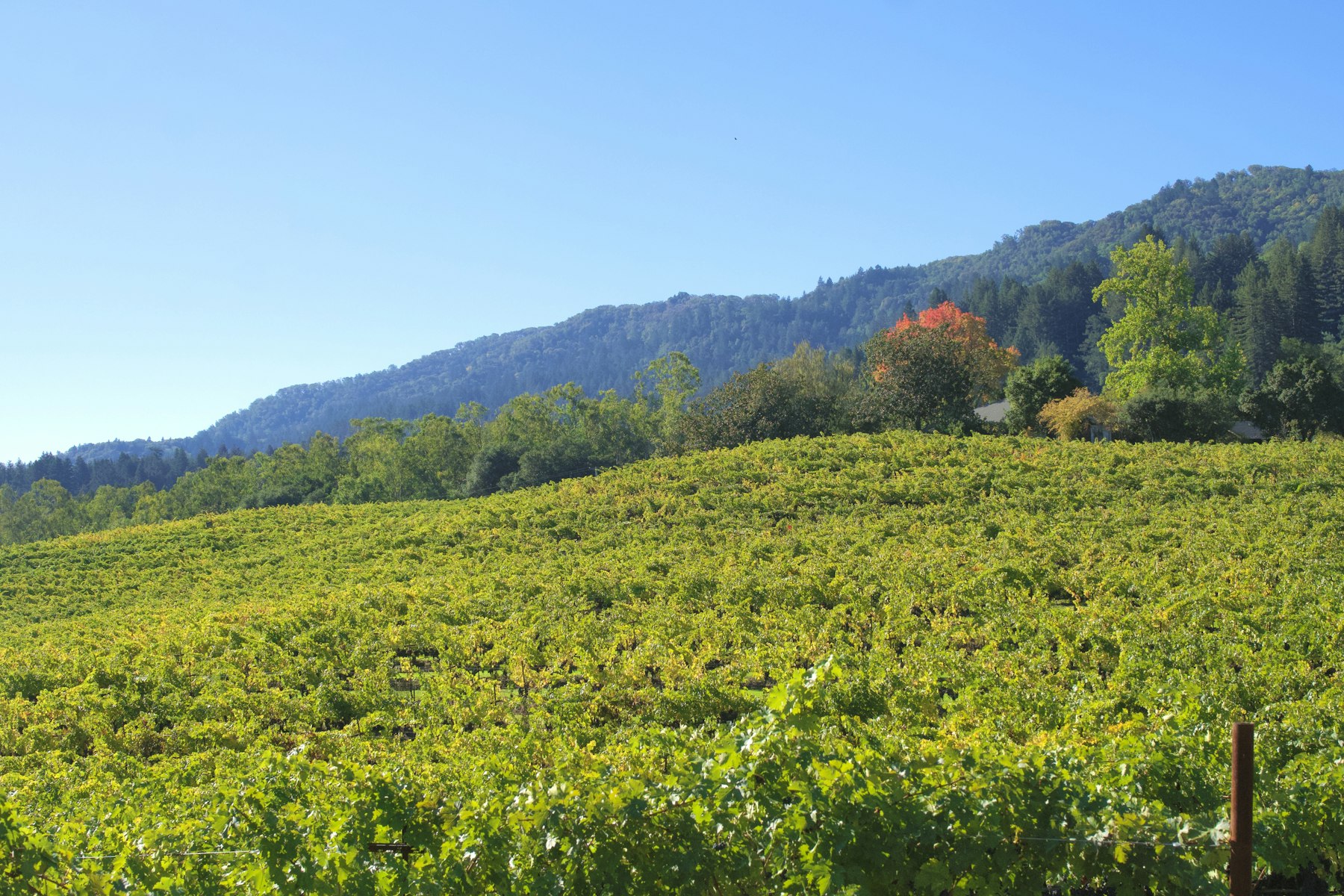
Drive up the long hill to the Stanislaus estate and the first thing you notice is what is missing: there are no drip lines snaking between the vines. Ishka and Mareeni Stanislaus dry-farm every row of their St. Peter of Alcantara Vineyard, letting the deep calcareous soils and the marine fog do the watering. Up here, planting started in 1998, in the cool seam where the Templeton Gap meets the Willow Creek District. When you taste, it is usually Ishka himself pouring, one group at a time, on a hilltop that feels like a private secret.
The Stanislaus family and a vineyard named for a saint
Ishka and Mareeni Stanislaus did not arrive in Paso Robles with a winemaking pedigree. They arrived with a hillside, a conviction about how vines should be grown, and the good fortune to learn from two of the west side’s most respected old hands. Richard Sauret, whose century-old Zinfandel vines are legendary on the Paso west side, and Steve Glossner, a winemaker with deep Rhone experience, mentored the couple as they planted starting in 1998. The estate carries the name St. Peter of Alcantara, a name the family chose rather than a marketing department, and it sets the tone for the whole place: personal, deliberate, unhurried.
The first commercial wines, the 2010 vintage, were not released until late 2013. That gap tells you a lot. Rather than rush bottles to market, the Stanislauses waited until the vines matured and the wines were ready. The result is a tiny, family-run label where the people who own the land are the same people who farm it and, more often than not, the same people who hand you the glass.
There is not a single drip line in the vineyard; the vines drink only what the fog and the limestone give them.
Answer a few quick questions and get your wine personality, your best matches, and where to taste them.
Start the quizDry-farming the Templeton Gap and Willow Creek limestone
This corner of the west side sits where the Templeton Gap funnels cool Pacific air inland through a break in the Santa Lucia Range. Afternoon winds sweep up the slopes and night temperatures fall hard, so the daily swing from warm afternoon to cold night can run thirty degrees or more. That swing is the engine of west-side Paso reds: warm days build ripe fruit and sugar, cold nights lock in the natural acidity that keeps the wines lively instead of flabby. The Willow Creek District adds the other half of the equation, with calcareous Monterey-Formation loams and clay over limestone bedrock that the roots have to fight through.
The Stanislauses lean into that struggle by dry-farming the entire estate. With no irrigation, the vines send roots deep into the limestone in search of water, and the canopy stays small. Smaller vines make smaller, more concentrated berries with a higher skin-to-juice ratio, which means more color, more tannin, and more flavor packed into every drop. Higher rainfall on the west side makes dry-farming possible here in a way it would not be on the hot, dry east side. The wines taste like the place: structured, mineral, and built around bright acidity rather than sheer power.
The wines, from bright Zinfandel to spicy Syrah
Guyomar plants a west-side lineup that reads like a love letter to warm-climate reds: Zinfandel, Syrah, Grenache, Mourvedre, Petite Sirah, and Tempranillo. The Zinfandel, grown in the Sauret tradition, leans toward brambly black and red fruit with a peppery snap rather than jammy sweetness, and the dry-farmed concentration gives it grip. The Syrah is the showpiece for many visitors, with fresh plum and blueberry, a lick of incense and violet, and the kind of savory spice that marks cool-climate Rhone fruit.
The blends are where the family’s hand really shows. A Rhone-and-Zin field blend from the Templeton Gap can open with grape soda, sweet violet, and pencil-lead aromatics, then turn lively on the palate with blueberry, black pepper, and a backbone of real acidity. Petite Sirah and Mourvedre add darkness and structure, while Grenache lifts the fruit. Across the range the through-line is balance: these are dry, fruit-forward wines with energy and length, not heavy sippers that tire you out after one glass.
Tell us what is on the table and our pairing generator finds the wine that makes the meal.
Find your pairingWhat to pour Guyomar with
Guyomar’s reds are built for the table, and the Paso playbook starts with the obvious: red-oak-grilled tri-tip. The Zinfandel and the Petite Sirah carry enough tannin to handle the char and fat of a well-marbled cut, because tannin binds to protein and fat in the meat, softening the wine and letting the fruit step forward. Reach for the Syrah with anything smoky off the grill, where its savory, peppery side echoes the wood smoke. Grenache-led blends love lamb, herb-roasted vegetables, and tomato-based braises, since the wine’s bright acidity cuts through richness and resets your palate between bites.
A few rules keep these pairings honest. Match intensity to intensity, so a delicate dish gets swamped by a big Petite Sirah while a hearty stew can stand up to it. Watch the chili heat, because alcohol amplifies the burn of spicy food, so keep the heat moderate with these ripe reds. And if a sauce is sweet, the wine needs at least as much fruit sweetness or it will taste thin and sour. Want a precise match for tonight’s menu? Run it through our wine pairing generator and build the plate around the bottle.
Visiting Guyomar Wine Cellars
This is not a drive-up tasting bar. Guyomar hosts by appointment, typically one group at a time, often with Ishka Stanislaus himself pouring on the family’s hilltop estate, so a visit feels less like a stop and more like an invitation. Plan ahead, book in advance, and confirm current hours and the booking details directly with the winery before you go, since a small family operation can change its schedule with the season and the harvest. Come with time to spare, because the conversation and the view are as much a part of the experience as the wine. For help building a west-side day around this stop, see our Paso Robles guide, which maps the Willow Creek District and the Templeton Gap and helps you pace tastings so you actually taste rather than rush.
Let us match you to the right Paso bottle
Take the 60-second quiz and we will point you to the Paso wines and tasting rooms you will love.
Find your wineGuyomar Wine Cellars: common questions
Who owns Guyomar Wine Cellars?
Where is Guyomar Wine Cellars located?
What does it mean that Guyomar is dry-farmed?
What wines does Guyomar make?
What food pairs best with Guyomar wines?
Do I need an appointment to visit Guyomar?
When did Guyomar release its first wines?
What makes the Templeton Gap and Willow Creek terroir special?
More wineries in Paso Robles
- Halter Ranch
- Hawks Hill Ranch Winery
- Hearst Ranch Winery
- Herman Story Wines
- High Camp Wines
- Hoyt Family Vineyards
Are you affiliated with this winery?