In early 2022 the Riboli family closed on a Willow Creek winery, and a clan that had been making wine in downtown Los Angeles since 1917 finally had a foothold in the limestone heart of the Paso Robles west side. San Simeon is their estate label, fed by vineyards spread across Willow Creek, El Pomar, and Creston. Fourth-generation winemaker Anthony Riboli sets the direction, with Marty Spate, who joined the family team in 2022, running the cellar. The wines are Bordeaux and Rhone, built for the long haul.
A 1917 family lands in Willow Creek
The story starts in 1917, when Santo Cambianica founded San Antonio Winery in downtown Los Angeles, a few blocks from the river. The winery survived Prohibition by making sacramental wine for the Catholic Church, and it is still standing today, run by the descendants who took the Riboli name. That is four generations of the same family pouring from the same cellar, which makes them one of the oldest continuously family-owned wineries in California.
San Simeon is the estate-focused expression of that history, and in early 2022 the family bought a winery in the Willow Creek District to anchor it. The move put the cellar inside the cool, high-bedrock slopes of the Paso west side rather than trucking fruit somewhere else to finish. Anthony Riboli, the fourth-generation winemaker, oversees the program, and Marty Spate, who joined in 2022 after working through Australia, Italy, Spain, and California’s Central Coast, manages day-to-day winemaking. Between them they treat the estate vineyards as the whole point.
A century-old Los Angeles winemaking family planting its flag in the limestone of the Paso west side.
Answer a few quick questions and get your wine personality, your best matches, and where to taste them.
Start the quizCalcareous slopes across three districts
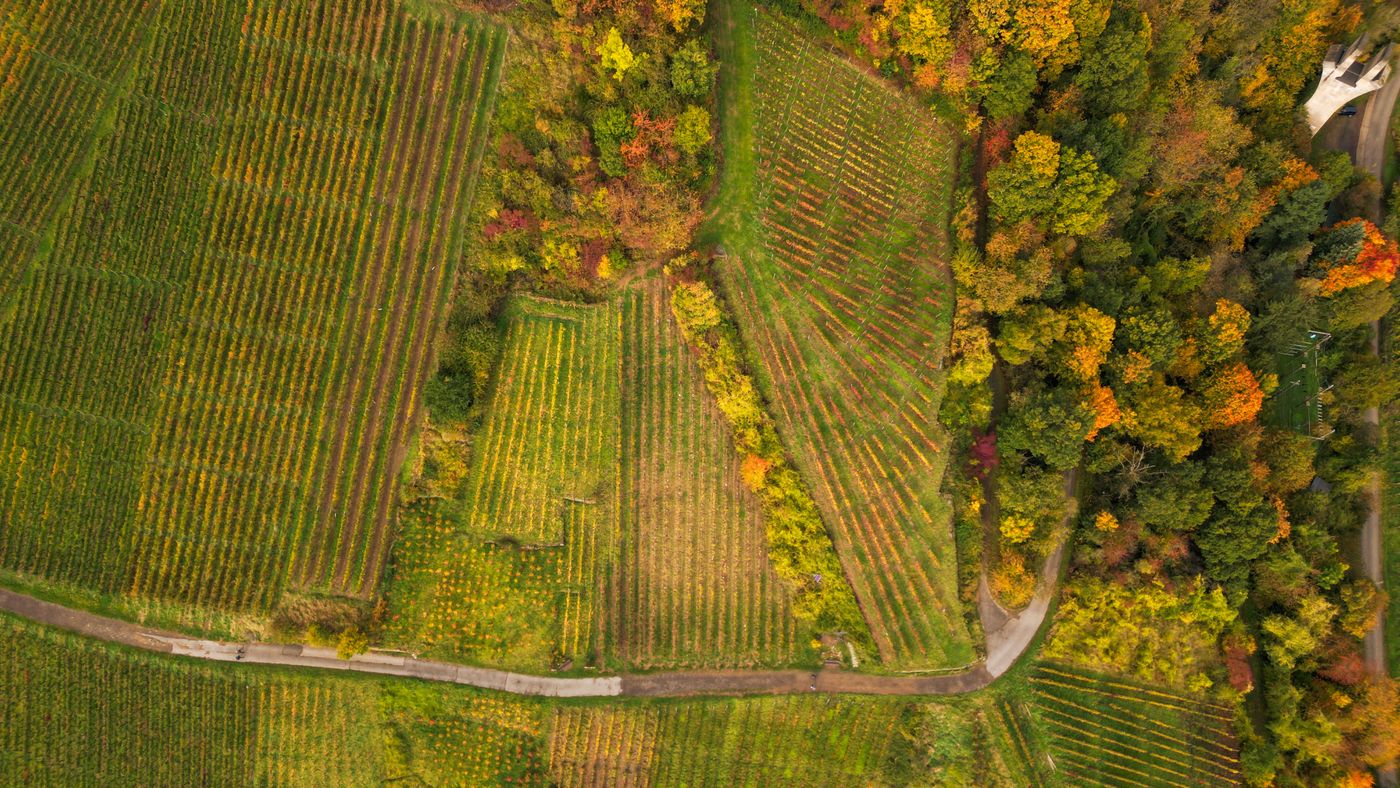
San Simeon does not lean on a single block. The estate fruit comes from Willow Creek, El Pomar, and Creston, three Paso Robles districts that each contribute something different. Willow Creek is the prize: cool, high slopes that climb roughly from 960 up toward 1,900 feet, sitting on calcareous Monterey-Formation loams and clay over limestone bedrock. It is Region II in climate terms, which is moderate, and that limestone is what gives west-side Paso reds their firm, chalky spine.
The through-line across all three sites is calcareous soil, the same limestone, sandstone, and loam blend that the family credits for the structure in its wines. Paso’s signature day-to-night temperature swing, driven by cool marine air pulled in through the Templeton Gap, helps too. Warm afternoons ripen the fruit while cold nights lock in acidity, so the wines arrive with both power and freshness rather than one at the expense of the other.
Bordeaux backbone, Rhone muscle
The estate lineup runs in two directions. On the Bordeaux side, Cabernet Sauvignon is the headliner, and the Estate Reserve Cabernet is the serious bottle. Critics have described dark aromas of black plum, berry, cocoa, leather, and baking spice, with a chalky structure framing the fruit and, in some vintages, a slug of Petit Verdot blended in from multiple vineyards. That chalkiness is the limestone talking. These are wines with grip, meant to be decanted now or cellared for years.
The Rhone side brings the muscle. Syrah and Petite Sirah are the standouts, dark and dense, with the kind of inky depth Paso does so well in warmer pockets. Across the range the house style favors ripe fruit held in check by acidity and tannin, so the wines feel built rather than merely big. If you are tasting through, move from the Bordeaux reds into the Rhone bottlings to feel how the same calcareous soils push two grape families in different directions.
Tell us what is on the table and our pairing generator finds the wine that makes the meal.
Find your pairingWhat to pour San Simeon with
Start with the chemistry. The Estate Reserve Cabernet carries firm, chalky tannin, and tannin binds to protein and fat, which is exactly why it loves a fatty cut of beef. The classic Paso move is red-oak-grilled tri-tip, where the char and the marbling soften the tannin and let the dark fruit come forward. A ribeye or a braised short rib does the same job. Keep heavy salt and bitter char in balance, since intense bitterness on the plate can make young tannin taste harder than it is.
The Rhone reds want a different partner. Syrah and Petite Sirah have enough acidity to cut through richness, so reach for lamb with rosemary, smoked brisket, or a mushroom and farro dish that echoes their earthy side. Avoid pouring these big reds against delicate fish, where the wine will simply flatten the food. For a tailored match to a specific dish or vintage, run it through our wine pairing generator and let it do the heavy lifting.
Visiting San Simeon Estate
The estate tasting experience sits in the Willow Creek District on the west side of Paso Robles, and the family pours its San Simeon estate wines alongside light bites, so you can taste the Cabernet against a little fat and salt the way it is meant to be drunk. Plan it as a sit-down rather than a sprint, since these are structured wines that reward a little patience and a second sip. Willow Creek’s rolling, limestone-laced slopes make the drive in part of the pleasure, and the cool afternoon air off the Templeton Gap means the patio stays comfortable even on warm days. For where San Simeon fits among the dozens of west-side rooms and how to build a sensible day around it, lean on our Paso Robles guide.
Let us match you to the right Paso bottle
Take the 60-second quiz and we will point you to the Paso wines and tasting rooms you will love.
Find your wineSan Simeon Estate: common questions
Who owns San Simeon wines?
When did the family come to Paso Robles?
Who makes the wine?
What wines does San Simeon make?
What food pairs best with San Simeon Cabernet?
What makes the terroir special?
Can you eat at the tasting room?
Are the wines built to age?
More wineries in Paso Robles
- Sans Liege Wines
- Saxum Vineyards
- Sea Shell Cellars
- Serial Wines
- Seven Angels Cellars
- Seven Oxen Estate Wines
Are you affiliated with this winery?