Before David Parrish made his own wine, he made the structures that hold other people’s vines off the ground. A UC Davis graduate in 1974, he spent roughly half a century engineering vineyard trellis systems for the Napa giants, Robert Mondavi, Sterling, Beringer, earning patents in three countries for his designs. But the Central Coast was always home. His grandfather Earl Henderson had farmed 540 acres in Atascadero back in 1925, and in 2004 David came back to grow Cabernet on the chalky high ground his family had worked for generations.
David Parrish, the trellis man who came home
David Parrish came to wine sideways and from below, literally from the wire and the post. After UC Davis in 1974 he spent about fifty years engineering vineyard trellising for some of the most serious names in California, Mondavi, Sterling, Beringer, and he holds patents in three countries for trellis design. If you have walked a modern Napa vineyard, you have probably seen the influence of work he had a hand in. That is a rare resume for a winery owner, the engineer who understood the architecture of the vine before he ever bottled a wine under his own name.
The pull back to the Central Coast was family. Parrish roots in the area run to 1925, when his grandfather Earl Henderson farmed 540 acres in Atascadero. David founded Parrish Family Vineyard in 2004 and made his first estate Cabernet that year, closing a loop four generations long. The brand is genuinely a family operation, and the wines carry the name on purpose.
A man who spent fifty years teaching other people’s vines how to stand finally planted his own, and his Clone 6 Cabernet earned 96 points from Wine Enthusiast.
Answer a few quick questions and get your wine personality, your best matches, and where to taste them.
Start the quizTwo estates on Adelaida limestone
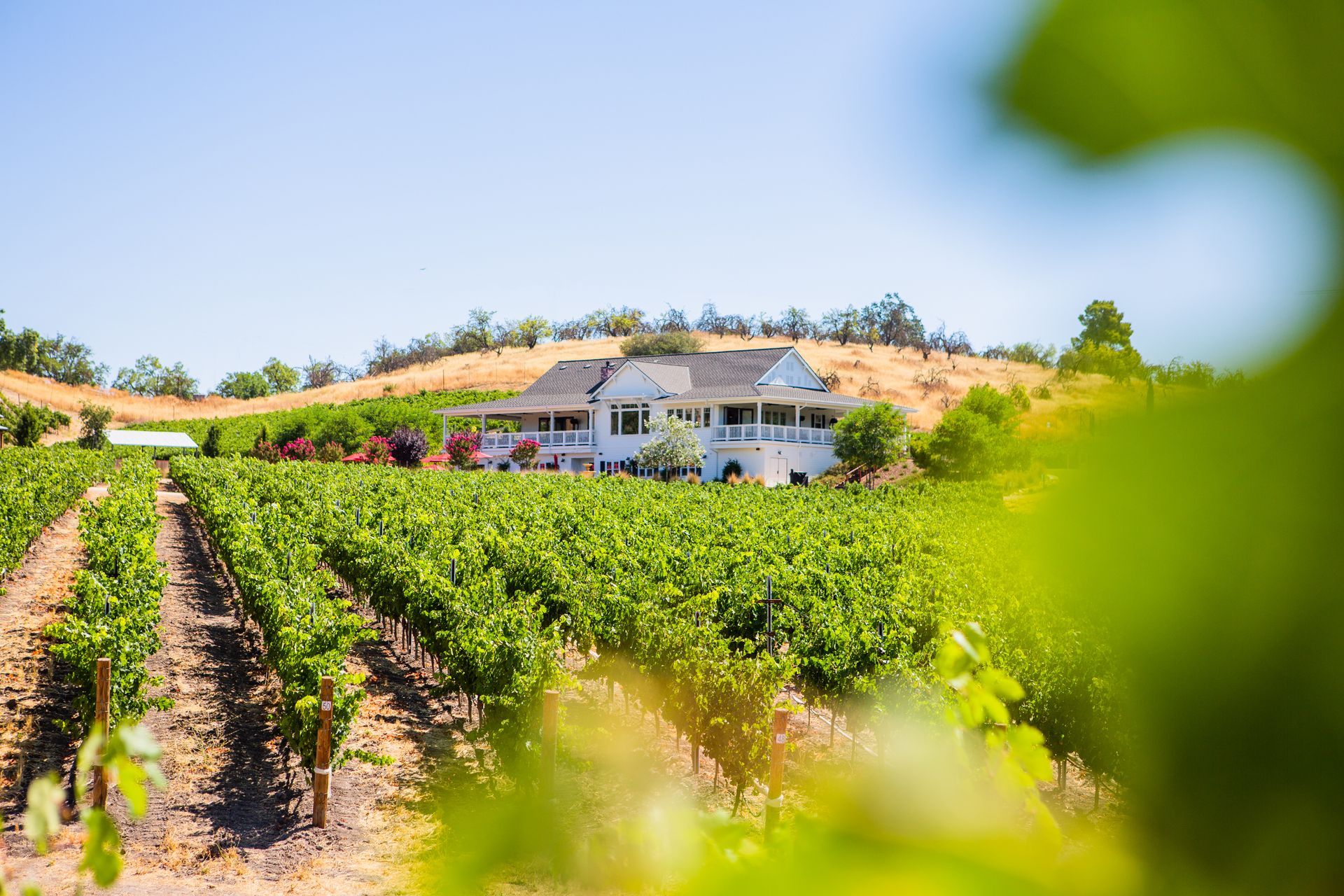
Parrish farms about 70 acres across two estate sites, in the Adelaida District and in Creston, two faces of Paso Robles that give the program range. The Adelaida ground is the high, cool western terroir, slopes of shallow calcareous bedrock in the Santa Lucia foothills, swept by marine air through the Templeton Gap. The limestone is the key. It drains hard, it stresses the vine, and it tends to give Cabernet a firm spine and a mineral lift that warmer ground cannot fake.
The Templeton Gap drives the diurnal swing here, hot afternoons that pile up ripeness and cold nights that protect acid, so the fruit comes in ripe but not flabby. Creston brings its own character, slightly warmer and rounder, which lets Parrish blend for both power and freshness. For a winemaker who spent a career on how vines are structured, owning the dirt and the trellis and the canopy is the point, because every one of those decisions shows up in the glass.
Cabernet first, and a 96-point benchmark
This is Cabernet country in the Bordeaux mold, and the estate Cabernet Sauvignon is the headline. The Clone 6 bottling earned 96 points from Wine Enthusiast, and the style is unmistakable, dense aromas of cocoa, hard spice, and baked black fruit, a creamy mouthfeel, and tannins built to last. That is the calcareous west side speaking, big ripe fruit framed by a firm, chalky grip that wants either a few years in the cellar or a fatty steak tonight.
The broader lineup leans Bordeaux, Cabernet at the center with the classic blending partners woven in for perfume and structure. These are not shy wines. They are dark, layered, and tannic in their youth, the kind of reds that reward decanting and reward food even more. If you want to taste what fifty years of vineyard knowledge looks like translated into a bottle, start with the estate Cab and work outward.
Tell us what is on the table and our pairing generator finds the wine that makes the meal.
Find your pairingWhat to pour Parrish Family Vineyard with
A young, tannic Cabernet like the Clone 6 is begging for protein and fat, and the chemistry is simple. Tannin binds to the protein and fat in red meat and to the char on a grilled crust, so a wine that feels grippy and drying on its own goes plush against a ribeye, a rack of lamb, or a Paso classic, red-oak-grilled tri-tip. The fat coats your palate, the tannin scrubs it clean, and both the wine and the meat taste better for the meeting. Aged hard cheeses work for the same reason.
Keep the sauces savory rather than sweet, and watch the heat, because the alcohol in a big Cabernet amplifies chili and makes a spicy dish taste hotter. Mushrooms, demi-glace, and rosemary all flatter the wine’s cocoa-and-spice register. If you are blending courses or working out a holiday roast, run the menu through the wine pairing generator to dial in the cut and the sides before the bottle comes out.
Visiting Parrish Family Vineyard
The tasting room sits on Adelaida Road in the heart of the west-side wine country, and it makes a strong anchor for a day spent among the high limestone estates. Tastings are best arranged by reservation, so check current days and hours before you head up Adelaida Road, since a family-run estate adjusts its schedule through the seasons. Come ready to taste structured, age-worthy Cabernet and to hear the unusual backstory of a winemaker who spent half a century building vineyards before building his own. For how Parrish fits into a west-side itinerary and which neighbors to pair it with, see our Paso Robles guide.
Let us match you to the right Paso bottle
Take the 60-second quiz and we will point you to the Paso wines and tasting rooms you will love.
Find your wineParrish Family Vineyard: common questions
Who is David Parrish?
How far back do the Parrish family’s roots in the area go?
What is the 96-point Cabernet?
What kind of wines does Parrish Family Vineyard make?
What food pairs best with Parrish Cabernet?
Where is Parrish Family Vineyard?
Why does the limestone soil matter for the wine?
Do I need a reservation to visit?
More wineries in Paso Robles
- PasoPort and Per Caso Cellars
- Peachy Canyon Winery
- Pelletiere Estate Vineyard and Winery
- Penman Springs Vineyard
- PIUS Estates
- Rava Wines + Events
Are you affiliated with this winery?