
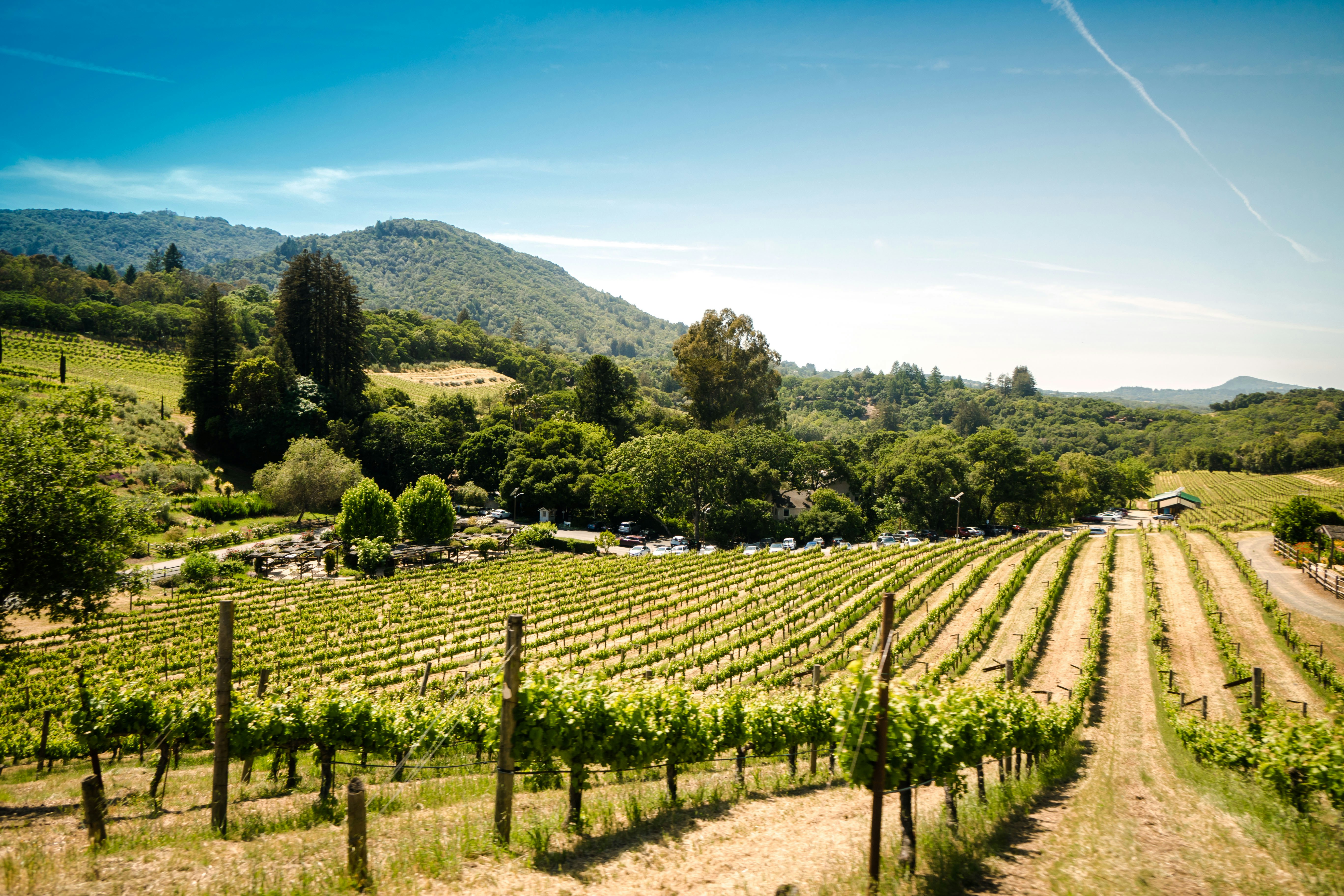
CRUSH Vineyard is the kind of winery that exists because two people decided to change their whole life. After three decades in the New York fashion world, Denise and Scott followed their daughters and their own restlessness to California, planted themselves on a hillside in the Adelaida District west of Paso Robles, and started making wine. You taste the result in the Tin City Annex, where their estate-grown reds, built around the muscular Tannat and Tempranillo, show what that west-side ground can do in the hands of people with nothing to prove and everything to discover.
From Seventh Avenue to the Adelaida hills
For thirty years, Denise and Scott built careers in the fashion industry in New York City. Then, drawn west by their daughters and by a different idea of how to spend the next chapter, they moved to California and let a long-held dream take over. In 2019 that dream became real and their winemaking journey began on a family vineyard in the Adelaida District, the high, rugged country on the west side of Paso Robles.
They kept the operation small and personal, growing the fruit themselves and crafting single varietals and red blends a few barrels at a time. In 2023 they brought in the award-winning Tyler Russell as consulting winemaker, pairing their hands-on estate farming with a seasoned cellar mind. The story is still young, which is part of the appeal. CRUSH is a winery you can catch near its beginning, run by people who clearly find the whole thing a joy rather than a job.
Tannat is one of the most tannic red grapes on earth, and the calcareous Adelaida hillsides give CRUSH exactly the structure that grape was born for.
Answer a few quick questions and get your wine personality, your best matches, and where to taste them.
Start the quizAdelaida fruit, a Tin City room
The CRUSH estate vineyard sits in the Adelaida District, the highest and one of the most dramatic of the Paso Robles sub-appellations, where slopes climb well above a thousand feet and the soils are shallow and calcareous, full of the chalky, sea-laid limestone that growers prize. Days are warm, but the nights drop sharply, a swing of more than twenty-five degrees, and that daily cooling is what lets the grapes ripen fully while holding onto the acidity and firm structure that make serious red wine.
The tasting room, though, is not on the mountain. CRUSH pours in the Tin City Annex at 3773 Ruth Way, in the cluster of small producers just south of downtown Paso Robles. It is an honest, low-key spot to taste estate wine without the drive up into the hills, the kind of place where you are likely to meet one of the owners across the bar and hear the story of the vineyard from the people who farm it.
The wines: Tannat, Tempranillo and bold blends
CRUSH built its reputation on two grapes that reward a warm, structured site. Tannat, originally from the southwest of France, is one of the most naturally tannic varieties in the world, giving inky, powerful, age-worthy reds with dark fruit and serious grip. Tempranillo, the backbone of Spain great reds, brings savory red and black fruit, leather and a more supple texture. Both thrive in the heat and limestone of the Adelaida hills.
From these and other estate fruit, CRUSH makes single varietals and red blends that lean bold and structured rather than soft and easy. The Tannat in particular is a statement wine, the sort that benefits from a decanter now or a few years in the cellar. For drinkers who love big, serious reds with a sense of place, the small CRUSH lineup punches well above the size of the operation.
Tell us what is on the table and our pairing generator finds the wine that makes the meal.
Find your pairingWhat to pour it with
Tannat is built for fat. Its enormous tannins bind to protein and fat, so the wine that tastes fierce on its own turns plush and balanced against a fatty cut of meat. This is the wine for a ribeye, a cassoulet, duck confit or anything braised and rich, the same hearty southwest French cooking the grape grew up alongside. The fat tames the tannin, the tannin scrubs the fat, and both are better for it.
Tempranillo points you toward Spain: lamb, grilled chorizo, jamon and paprika-spiced stews, where its savory fruit and brighter acidity slice through salt and richness. Salt is a friend to both wines, rounding the tannin and lifting the fruit, so a board of cured meats and hard cheese is a reliable tasting-room match. Keep these reds away from delicate fish, which leaves the tannin nothing to grip and turns the wine bitter.
Into big, structured reds like Tannat and Tempranillo?
Take the 60-second quiz and we will match you to the Paso Robles wines and tasting rooms built for your palate.
Find your wineCRUSH Vineyard: common questions
What is CRUSH Vineyard known for?
Who owns CRUSH Vineyard?
Where is the CRUSH Vineyard tasting room?
What are the CRUSH Vineyard hours?
What is Tannat and why does CRUSH grow it?
What food pairs with CRUSH Tannat and Tempranillo?
Is CRUSH Vineyard in Tin City or the Adelaida District?
More wineries in Paso Robles
- Cutbow Wines
- Dark Star Cellars
- Decemil Estate Wines
- Defiance Vineyard
- Denner Vineyards
- Derby Wine Estates
Are you affiliated with this winery?