Wine for Beginners: Where to Start
Wine can feel like a members-only club with a secret language, but it is not. The only real rule is to drink what you enjoy. Everything else is just learning a few words for what your mouth already notices.
Everybody starts somewhere, usually in a wine aisle that feels designed to make you feel dumb. Hundreds of bottles, names you cannot pronounce, prices from six dollars to six hundred, and no clear reason why one is better than the next. The good news is that wine only looks complicated. Underneath the long words and the swirling rituals, it is fermented grape juice, and the whole world of it breaks down into a handful of plain ideas you can learn in an afternoon. You do not need a fancy palate, a cellar, or a sommelier vocabulary. You need a few friendly bottles, a willingness to pay attention, and permission to like what you like. This guide gives you all three.
The four levers that explain any wine
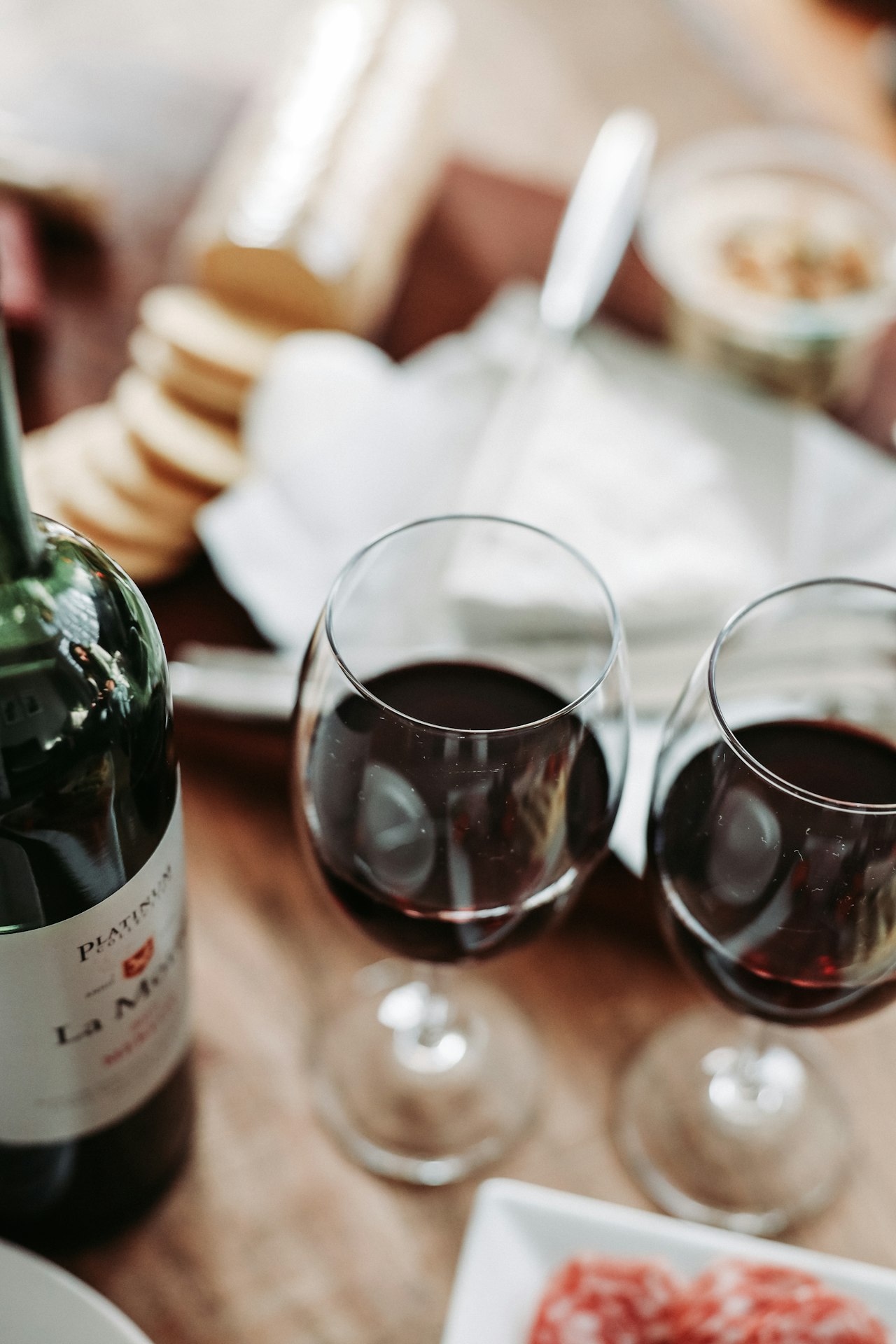
Forget memorizing grapes for a moment. Almost everything that makes one wine taste different from another comes down to four levers. Once you can feel these four things in a glass, you can describe any wine and, more importantly, ask for the next one you will like.
Color is the obvious one, but it tells you more than you think. Red wines get their color and their grip from grape skins, which also give them tannin, the drying, cheek-puckering sensation you feel along your gums. White wines are made without those skins, so they are lighter and crisper and have little or no tannin. Rose sits in between, made from red grapes with only brief skin contact, which is why it looks pink and tastes lighter than red. Sweetness is the second lever and the one people most often get wrong. A wine is dry when the grape sugars have fermented fully into alcohol, and sweet when some sugar is left behind. Plenty of beginners think they dislike wine when they have only had dry wines and actually prefer a touch of sweetness, which is completely fine.
Body is the third lever, and it just means how heavy the wine feels in your mouth. Think skim milk versus whole milk versus cream. A light-bodied Pinot Grigio feels watery and refreshing, a full-bodied Cabernet Sauvignon feels dense and coating. Acidity is the fourth, the tart, mouthwatering zip that makes a wine feel fresh and makes your mouth water, the same brightness you get from lemon or green apple. High-acid wines feel lively and pair well with food. Low-acid wines feel softer and rounder. That is the entire framework. Color, sweetness, body, acidity. Tannin rides along with color on the red side. Learn to notice those, and you have learned wine.
How to taste wine in four simple steps
Tasting is not a performance. The swirling and sniffing you have seen are not snobbery, they are just ways to notice more of what is already in the glass. Here is the whole loop, stripped down. Look at the wine, tilt the glass against something white, and note the color and how deep it is. Swirl it gently, keeping the base on the table and moving it in small circles, which mixes in air and releases the aromas. Smell it, with a few short sniffs, because most of what you taste actually comes through your nose. Then sip, let it sit on your tongue for a few seconds, and notice the four levers: is it sweet or dry, light or heavy, tart or soft, drying or smooth.
| Step | What you do | What you are noticing |
|---|---|---|
| Look | Tilt the glass over something white | Color and depth. Pale and watery means light, dark and opaque means bold. |
| Swirl | Small circles, base on the table | Nothing yet. You are mixing in air to wake up the aromas. |
| Smell | A few short sniffs, nose in the glass | Fruit, flowers, spice, oak. Most flavor reaches you through your nose. |
| Sip | Hold it on your tongue a few seconds | Sweet or dry, light or full, tart or soft, the grip of tannin. |
Do not worry about naming exotic aromas. If a wine smells like cherries or apples or honey to you, say cherries or apples or honey. That is real tasting. The trick the professionals use is comparison: when you can taste two wines side by side, the differences jump out instantly, which is why a flight of small pours teaches more in twenty minutes than a single bottle teaches in an evening.
Your first ten bottles: an easy starter list
The fastest way in is to taste across the styles, not to drink the same bottle over and over. These ten are chosen because they are friendly, widely available, fairly priced, and each one teaches you something different. Buy a few, taste them, and notice which levers you keep gravitating toward. That is your palate forming in real time.
Pinot Noir
Easy red
The gentlest classic red. Light-bodied with soft, low tannin and bright cherry and red-berry fruit, it never feels heavy or harsh. Look for one from Oregon or California. It is the red most likely to win over someone who thinks they do not like red wine.
Merlot
Easy red
Soft, plush, and round, with plum and black-cherry flavors and smooth, easygoing tannin. Merlot got an unfair bad reputation, but it is one of the friendliest reds there is. A good Merlot from Washington State or California is a perfect on-ramp to bigger reds.
Beaujolais (Gamay)
Easy red
A light, juicy French red made from the Gamay grape, full of fresh raspberry and a slight earthiness. It is low in tannin, often served slightly chilled, and impossibly drinkable. If Pinot Noir clicks for you, this is the next bottle to try.
Pinot Grigio
Easy white
Crisp, light, and clean, with green-apple and citrus notes and no oak to get in the way. Pinot Grigio from Italy is the easiest white to like and the safest pour for a table full of different tastes. Cold, refreshing, and almost impossible to dislike.
Sauvignon Blanc
Easy white
Zesty and aromatic, bursting with lime, grapefruit, and fresh-cut grass. A New Zealand Sauvignon Blanc is loud and fun in the glass, a great way to learn what high acidity feels like. Bright, snappy, and made for warm afternoons and lighter food.
Unoaked Chardonnay
Easy white
Chardonnay without heavy oak shows its true self: ripe apple and pear, a rounder body, and a smooth texture. Look for one labeled unoaked or from Chablis in France. It teaches you what body means in a white, and it bridges the gap toward fuller wines.
Riesling (off-dry)
Easy sweet
The great gateway wine. An off-dry German Riesling balances a touch of sweetness against racy acidity, so it tastes fresh rather than sugary, with flavors of peach, apple, and lime. It is the bottle that proves a little sweetness is nothing to be ashamed of.
Moscato
Easy sweet
Light, frothy, and openly sweet, with peach, orange blossom, and a low alcohol level that makes it gentle and easy. Moscato is many people’s first wine for a reason. If dry wines have not won you over yet, start your sweet exploration here.
Prosecco
Easy sparkling
Italy’s friendly, affordable bubbly. Lighter and fruitier than Champagne, with green-apple and pear flavors and a soft fizz, Prosecco is the easiest way to learn why sparkling wine is so loved. Festive, inexpensive, and a guaranteed crowd-pleaser.
Dry Rose
Easy crossover
A dry Provence rose splits the difference between red and white: pale pink, crisp, refreshing, with strawberry and citrus notes and no real tannin. It is the perfect wine for someone caught between the red and white worlds, and it pairs with almost anything.
Three places to start, by what you already like
If ten bottles feels like a lot, start with one of these three on-ramps based on flavors you already enjoy in other drinks and food. Each is a safe, low-risk first bottle.
How to order and shop without anxiety
The single most freeing thing to learn is that nobody expects you to be a sommelier, not the server, not the shop clerk, not the people at your table. The pros are not waiting for you to name a grape. They want to help you find something you will enjoy, and the way to let them is to describe what you like in plain words rather than guessing at wine terms.
In a restaurant, two sentences solve almost everything. First, set your budget without embarrassment: point to a price on the list and say “something around here,” or simply tell the server “we would like to stay around forty dollars.” Wine professionals respect this and it saves everyone time. A useful insider fact is that the second-cheapest bottle on a list often carries the biggest markup, because restaurants know shy diners avoid the cheapest one, so do not assume going one step up is the smart-value move. Second, describe a feeling, not a grape: “I like crisp, fresh whites,” or “something smooth and not too tannic,” or “a juicy, fruity red.” That language is far more useful to a server than tossing out regions you half-remember, and a good one will land you somewhere you like.
In a wine shop, the same rules apply with one bonus: the staff taste constantly and love being asked. Tell them your budget and a wine you have enjoyed before, even a vague one, and let them run with it. If you are shopping alone, the four levers are your guide. Read the back label, look for the grape and region from the starter list above, and remember that a fuller, riper style usually comes from warmer places like California, Australia, and Argentina, while crisper, lighter styles come from cooler places like France, Germany, and northern Italy.
Price versus quality: what you actually need to spend
Here is the truth that the wine industry does not advertise: the relationship between price and quality is real but it flattens out fast. The jump from a five-dollar bottle to a fifteen-dollar bottle is enormous. The jump from fifteen dollars to fifty is real but much smaller, and above that you are mostly paying for rarity, prestige, and aging potential rather than everyday drinking pleasure. For a beginner, the sweet spot is roughly 12 to 25 dollars, where you find genuinely well-made wine without paying for a famous name.
| Price range | What you get | When to buy it |
|---|---|---|
| Under 8 dollars | Mass-produced, often sweetened or simple. Drinkable but rarely memorable. | Sangria, cooking, large casual parties |
| 12 to 18 dollars | The beginner sweet spot. Honest, well-made wine from real regions. | Everyday drinking and learning your palate |
| 20 to 35 dollars | A clear step up in depth and character. Smaller producers, better sites. | Dinner parties, gifts, a special weeknight |
| 40 to 75 dollars | Serious quality, more complexity, often age-worthy. | Celebrations and special occasions |
| Over 100 dollars | Rarity, prestige, and aging potential more than daily pleasure. | Collectors and milestone moments |
A well-chosen 18-dollar bottle that suits your taste will always beat a 90-dollar bottle that does not. Spend in the middle, taste widely, and let your own preferences, not the price tag, tell you what is good.
Serving basics that make any wine taste better
You can improve almost any bottle for free, just by serving it right. The most common mistake is temperature. Most people drink red too warm and white too cold. Room temperature in a modern heated home is too warm for red, which goes flabby and alcoholic above about 68 degrees Fahrenheit. Put your reds in the fridge for fifteen minutes before serving so they land around 60 to 65 degrees. Pull your whites out of the fridge ten minutes before pouring, because straight from a cold fridge their flavors are muted and locked up.
The glass matters less than people pretend, but a basic rule helps: any glass with a bowl wide enough to swirl and a rim that tapers in slightly will do, and you only need one good all-purpose shape to cover everything. Fill it no more than a third full, which leaves room to swirl and gather the aromas. A young, bold red benefits from a little air, so either pour it into a decanter or just let the open bottle breathe for half an hour, which softens the tannin and opens the flavors. Sparkling and crisp whites want to stay cold and need no air at all. Leftover wine keeps two to four days re-corked in the fridge, even reds.
The common beginner mistakes, and how to skip them
The first mistake is deciding you do not like wine after trying only dry reds. Wine is a huge category, and disliking Cabernet tells you nothing about whether you would love Riesling or rose. Try across the four levers before you write off the whole drink. The second mistake is starting with the biggest, boldest, most tannic reds because they seem most serious. A young Napa Cabernet or a Barolo is a wall of tannin for a new palate. Start soft and light, then work up.
The third mistake is drinking everything at the wrong temperature, which quietly ruins more bottles than any other error. The fourth is thinking expensive equals good and cheap equals bad, when the real range that matters for daily drinking is narrow. The fifth is feeling you need to detect blackberry and pencil shavings and tobacco. If you taste fruit and like it, you are doing it right. The last mistake is the one that holds the most people back: treating wine like a test you can fail. There is no failing. The only wrong answer is the one you did not enjoy, and even that just told you something useful about your taste.
How to build a palate over time
A palate is not a talent you are born with, it is a memory you build. The method is simple and even enjoyable: taste widely, taste attentively, and keep a record. Every time you drink a wine you like or dislike, snap a photo of the label and jot one line about why, light and crisp, too sweet, loved the soft tannin. After a dozen bottles, patterns appear, and you start to know that you reach for high-acid whites and soft, fruity reds, or whatever your truth turns out to be. That self-knowledge is the entire goal of getting into wine.
Tasting side by side accelerates everything. Open two different whites or two different reds on the same night and the contrast teaches you more than either bottle alone. Wine tastings, by-the-glass flights at a wine bar, and tasting rooms exist precisely for this. Try one new grape or region every couple of weeks and your reference library grows fast. Within a few months you will walk into a shop, describe what you want in plain language, and walk out with something you love. That is what it means to know wine, and it is a lot closer than it looks from the aisle.
The best next step is to go deeper on one lever at a time. Start with our pillar on the types of wine, which maps the whole landscape, then explore the two big families in our guides to red wine types and white wine types. Since sweetness trips up so many beginners, our wine sweetness scale and our plain-English breakdown of dry versus sweet wine are worth a read, and if a touch of sweetness is your thing, our guide to sweet red wine points you to the friendliest reds of all. Read them in any order. Each one builds the same picture from a different angle.
Answer a handful of quick questions about flavors you already enjoy and we will tell you which wines to try first. It is the fastest way to turn everything above into a bottle in your hand tonight.
Wine for beginners, your questions answered
What is the best wine for a beginner to start with?
Start with friendly, low-tannin bottles that are easy to like: Pinot Noir or Merlot for reds, Pinot Grigio or Sauvignon Blanc for crisp whites, and an off-dry Riesling or Moscato if you prefer a touch of sweetness. These wines are smooth, fruit-forward, and widely available. The best first wine is one that matches flavors you already enjoy in other drinks and food.
How do I get into wine if I do not know anything?
Learn the four levers that define every wine: color, sweetness, body, and acidity. Then taste widely across friendly styles, paying attention to which ones you like and keeping a quick note or label photo each time. You do not need expensive bottles or fancy vocabulary, just a willingness to try different styles and remember what you enjoyed.
Is red or white wine better for beginners?
Neither is universally easier, it depends on your taste. White wines like Pinot Grigio are light, crisp, and have no tannin, which many beginners find more approachable. But soft reds like Pinot Noir and Merlot are gentle and fruity. The friendliest start of all for many people is an off-dry Riesling or a dry rose, which sit between the two worlds.
How much should a beginner spend on a bottle of wine?
The sweet spot for beginners is roughly 12 to 25 dollars, where you find genuinely well-made wine from real regions without paying for a famous name. The quality jump from cheap to mid-range is large, but above about 50 dollars you are mostly paying for rarity and prestige rather than everyday drinking pleasure. A well-chosen 18-dollar bottle beats a 90-dollar one that does not suit your taste.
How do you taste wine the right way?
Use a simple four-step loop: look at the color, swirl the glass gently to release the aromas, smell it with a few short sniffs, then sip and let it sit on your tongue. As you sip, notice whether it is sweet or dry, light or heavy, tart or soft. There is no wrong answer, and naming simple flavors like cherry or apple is real tasting.
What is the easiest sweet wine for beginners?
Moscato is the easiest openly sweet wine, light and frothy with peach and orange-blossom flavors and low alcohol. An off-dry German Riesling is the best gateway because its touch of sweetness is balanced by bright acidity, so it tastes fresh rather than sugary. If you enjoy sweeter drinks, these are a far better starting point than a dry red.
How do I order wine at a restaurant without feeling awkward?
Describe what you like in plain words rather than naming grapes: say “I like crisp, fresh whites” or “something smooth and not too tannic.” Set your budget openly by pointing to a price on the list and saying “around here.” Servers and sommeliers want to help, and your preferences are more useful to them than wine jargon.
How long does it take to develop a wine palate?
You can notice clear preferences within a dozen bottles and feel genuinely confident within a few months of tasting attentively. The fastest method is to taste widely, taste two wines side by side when you can, and keep a one-line note on each. A palate is not a talent you are born with, it is a memory you build by paying attention.