There is a single madrone tree standing alone on a hillside in west Paso Robles, and in 1996 it gave a winery its name. Neil Collins, an Englishman who would go on to spend decades as the winemaker at Tablas Creek, started Lone Madrone with his wife Marci and his sister Jackie Meisinger as a way to chase the wines the day job did not. From the start it was a family operation built around dry-farmed, limestone-grown fruit and the kind of grapes most California wineries never bother with: Tannat, Touriga, old-vine Zinfandel, even dry cider made from organically farmed apples.
A family, a lone tree, and a winemaker’s side project
Lone Madrone began in 1996 as the personal project of Neil Collins, his wife Marci and his sister Jackie Meisinger. Two years later Neil was hired as the winemaker at Tablas Creek, the estate that did more than any other to bring Rhone varieties and a French sensibility to Paso Robles, and he has held that role ever since. Lone Madrone became the place where he could follow his own curiosity, away from any house style, and the name came from a solitary madrone tree on a west-side hillside.
It has stayed a family affair. Jackie has long been part of the operation, and the same household founded Bristols Cider in 1994, two years before the winery itself, which is why a Lone Madrone visit can include a flight of dry ciders alongside the wine. That willingness to make what interests them rather than what sells easily runs through everything here, from rare red varieties to old-vine field blends.
This is a winery that will make you a varietal Tannat and a flight of dry cider, then tell you why both belong on the Paso west side.
Answer a few quick questions and get your wine personality, your best matches, and where to taste them.
Start the quizDry-farmed fruit from the limestone heart of west Paso
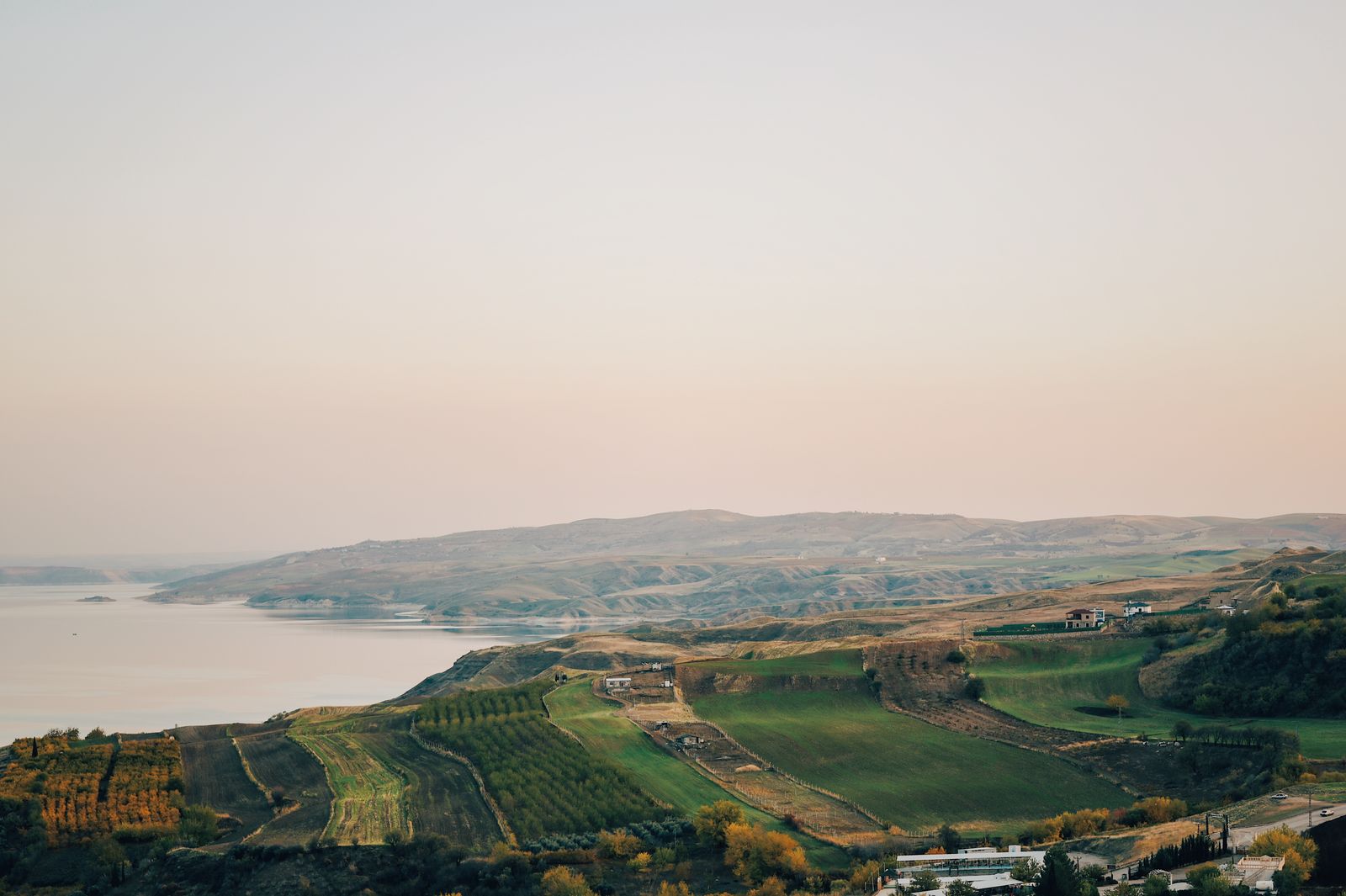
Lone Madrone draws on dry-farmed vineyards on the west side of Paso Robles, the cool, hilly, limestone-rich quarter of the region, along with a few unusual sites farther afield in Santa Barbara, Monterey and San Benito counties. The estate and most of the sourced fruit is farmed organically and dry-farmed, which means the vines live on what the calcareous soil holds rather than on irrigation. On limestone that is a virtue: the soil drains hard and reflects light, the vines struggle a little, and the wines come back with concentration and a built-in line of acidity.
The west side owes its style to the ocean. Marine air slides inland through the gaps in the coastal hills and crashes the temperature down at night after warm days, the big diurnal swing that lets fruit ripen fully while keeping its freshness. Dry-farmed, native-fermented and raised in neutral oak, Lone Madrone wines are made to carry that sense of place straight into the glass without makeup.
What Lone Madrone wine actually tastes like
This is a lineup for the curious. The Tannat, a thick-skinned grape from southwest France, comes out dark and structured, with blackberry, plum, graphite and a serious wall of tannin that wants food and time. The old-vine Zinfandel runs the other direction, bramble and black raspberry, dried fig and a peppery snap, generous but lifted thanks to the cool nights. Touriga, the Portuguese port grape made dry here, brings violet and dark cherry with a stony, floral edge you rarely meet in California.
Across the board the wines feel honest and unforced. Native fermentation and neutral oak keep the fruit and the limestone minerality in the foreground rather than burying them under new-wood vanilla. And then there is the cider, dry and bracing and built from organically farmed apples, a reminder that the family was fermenting fruit before the winery even existed. Nothing here tastes manufactured.
Tell us what is on the table and our pairing generator finds the wine that makes the meal.
Find your pairingWhat to pour Lone Madrone with
Tannat is one of the most food-dependent reds on the west side, and that is the whole point. Its tannins are massive, and tannin binds to protein and fat, so a young Tannat that tastes austere on its own turns plush against a fatty, char-edged cut of beef or, even better, a confit duck leg or a cassoulet. The fat and protein latch onto the tannin and soften it, while the wine’s acidity cuts the richness so the dish never feels heavy. This is classic southwest-France logic applied to Paso fruit.
The old-vine Zinfandel wants the Paso staple: red-oak-grilled tri-tip, ideally with a peppery rub, since the smoke and char echo the wine’s brambly, spicy core. Be careful with chile heat, though, because the wine’s generous alcohol will amplify the burn; keep the spice smoky rather than fiery. Pour the dry cider with a sharp cheese or a pork dish, letting its acidity cut the fat the way a crisp white would. For a tailored match to whatever you are cooking, the wine pairing generator is a quick way to find one.
Visiting Lone Madrone
Lone Madrone sits along Highway 46 West outside Templeton, in the thick of the Paso Robles west-side wine corridor, which makes it an easy and rewarding stop on a day spent in the limestone hills. The draw is the breadth: this is a place where you can taste rare and old-vine bottlings beside a flight of dry Bristols cider, with people who can actually explain why dry-farming on limestone matters. Tastings are best arranged by reservation, and because hours move with the season, confirm the current schedule before you visit. To understand how the cool, limestone west side fits into the broader region, our Paso Robles guide lays out the lay of the land.
Let us match you to the right Paso bottle
Take the 60-second quiz and we will point you to the Paso wines and tasting rooms you will love.
Find your wineLone Madrone: common questions
What is Lone Madrone known for?
Who is the winemaker at Lone Madrone?
Where does the name Lone Madrone come from?
What unusual grapes does Lone Madrone grow?
What food should I pair with Lone Madrone Tannat?
Does Lone Madrone make cider?
Where is Lone Madrone located?
Are Lone Madrone wines dry-farmed and organic?
More wineries in Paso Robles
Are you affiliated with this winery?