
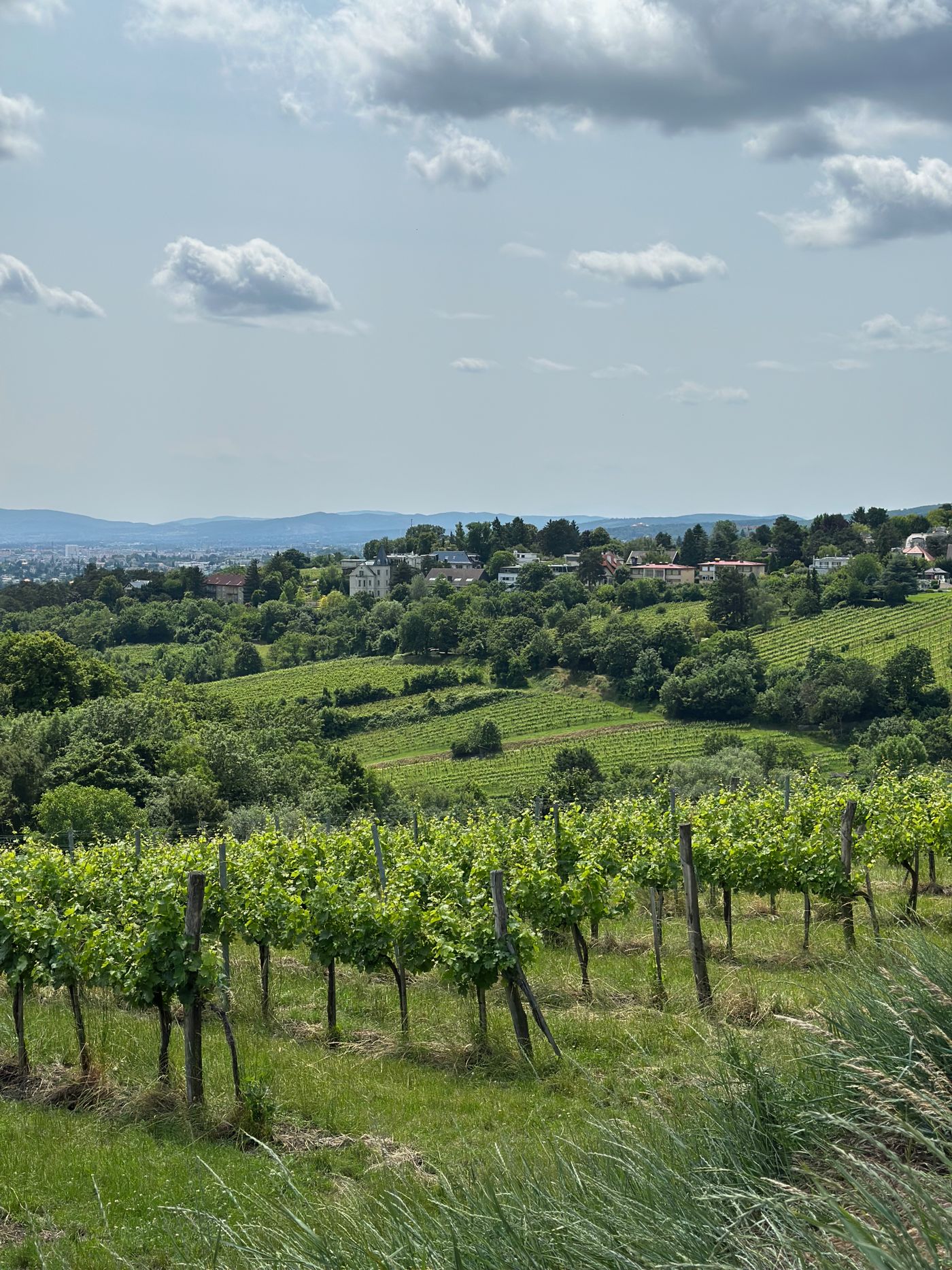
Some wines are made. This one was grown, by a man who knew the ground under it before he could drive. Justin Smith was a kid helping his father coax a barrel or two out of a rocky hillside west of Paso Robles when the idea of Saxum was still decades off. The hillside was the James Berry Vineyard. The kid would grow up to make, from that exact dirt, the wine that finally put Paso Robles on the front of the wine world.
The boy who grew up in the vineyard
Justin Smith calls himself the first Paso Robles vintner raised in the vines, and he means it almost literally. His father, James Berry Smith, planted the James Berry Vineyard in the 1980s, Chardonnay at first, on a stretch of calcareous hillside in what is now the Willow Creek District. It was the Rhone pioneer John Alban who looked at that rocky, sun-stressed ground and saw not Chardonnay but Syrah and Grenache, the grapes of the southern Rhone. The Smiths listened, and young Justin grew up making a barrel or two each year from the family fruit, learning the vineyard season by season the way other kids learn a neighborhood.
He founded Saxum in 2002. Five years later he made the 2007 Saxum James Berry Vineyard, and in 2010 Wine Spectator named it Wine of the Year, the single best bottle in its annual ranking of thousands. No Paso Robles wine had ever topped that list. None from anywhere on the California Central Coast had. Overnight a region known for honest, affordable Zinfandel had a cult superstar, and the wine world turned to look at the limestone hills west of town. Smith stayed exactly where he was, farming the same slope. His philosophy is almost stubborn in its simplicity: get good grapes, and do not mess them up.
The 2007 Saxum James Berry Vineyard was the first wine from Paso Robles, and from the entire California Central Coast, ever named Wine Spectator Wine of the Year.
Answer a few quick questions and get your wine personality, your best matches, and where to taste them.
Start the quizWillow Creek, written in limestone
Saxum is Latin for rock, and the name is not decoration. The James Berry Vineyard sits in the Willow Creek District, the cool, high heart of the Paso west side, on the marine-sediment limestone that geologists call calcareous. This is the same chalky, alkaline soil that runs under Chateauneuf-du-Pape and the great hills of the southern Rhone, and it does the same work here. It drains fast and keeps the vines on a short leash, forcing roots deep and holding berries small, which concentrates everything that ends up in the glass.
Then there is the air. Willow Creek sits where the Templeton Gap, a low break in the coastal hills, lets the Pacific exhale inland every afternoon. Summer days can break ninety degrees and the nights can fall into the fifties, one of the widest day-to-night temperature swings in California wine country. That swing is why Saxum reds can be huge and ripe yet still carry freshness and lift: the heat builds the fruit, the cold nights lock in the acidity, and the limestone gives the spine. Smith farms the site organically and dry, rarely irrigating, letting the vineyard speak in its own rough accent.
Nine wines from one corner of Paso
Saxum makes only around five to six thousand cases a year, split across roughly nine cuvees, most named for the specific block or vineyard behind them: James Berry Vineyard, Bone Rock, Broken Stones, Heart Stone, Booker Vineyard, Paderewski, Terry Hoage, G2, and Rocket Block. They are Rhone blends at heart, built on Syrah, Grenache, and Mourvedre, often with a little Petite Sirah for muscle.
Bone Rock comes off a steep terrace of old head-trained Syrah on a south-facing slope, and it is the most structured wine in the house, dense and tannic and built to age a decade or more. Broken Stones leads with Syrah and folds in Petite Sirah, Grenache, and a splash of Mataro, then spends eighteen to twenty months in mostly new French oak; it is rich and intense but stays pure and focused rather than jammy. The flagship James Berry blend is the fullest expression of the home dirt, all dark fruit, crushed stone, smoked meat, and dried herb. These are not shy wines. They are also not clumsy ones, which is the whole point.
Tell us what is on the table and our pairing generator finds the wine that makes the meal.
Find your pairingWhat to pour Saxum with
A Saxum red is built for the table, and specifically for fat and char. The tannins that make a young Bone Rock grip your gums are exactly what soften against protein and fat: pour it beside a grilled ribeye or a rack of lamb and the tannin binds to the meat, the wine turns plush, and the steak tastes cleaner and less heavy. That is real chemistry, not romance. Lean food does the opposite, so skip the delicate white fish, where there is nothing for all that structure to grab and the wine can turn bitter and metallic.
Lean into the southern Rhone playbook these grapes come from. Think lamb shoulder rubbed with rosemary and thyme, short ribs braised low and slow, a peppery merguez sausage off the grill, or wild mushrooms with a hard aged cheese for the smoky, savory notes that Syrah loves to echo. Paso itself points the way: this is tri-tip country, the local cut cooked over red oak, and a glass of Saxum next to a smoke-ringed slice is about as Central Coast as a meal gets. If you want help dialing in a match for your own table, our wine pairing generator will do the work.
Can you actually visit Saxum?
Honestly, not the way you visit most wineries. Saxum is allocation only, which means the wines sell mainly to a mailing list, and the list has a long wait. There is no walk-in tasting room with a chalkboard of pours. The estate sits in the Willow Creek District southwest of downtown Paso Robles, and access is by arrangement only. If you want to drink Saxum, the move is to join the mailing list through the winery and be patient, or to look for the wines on serious restaurant lists and at auction, usually at a premium. While you wait, the same limestone hills are full of neighbors who do pour, several of them in our Paso Robles guide, so a Willow Creek day is easy to build around them.
Let us match you to the right Paso bottle
Take the 60-second quiz and we will point you to the Paso wines and tasting rooms you will love.
Find your wineSaxum Vineyards: common questions
What is Saxum Vineyards known for?
Who makes Saxum?
Why is Saxum so hard to buy, and how do you get it?
Can you visit Saxum or taste there?
Where is Saxum located?
What grapes and wines does Saxum make?
What food pairs with Saxum?
How do you pronounce Saxum?
More wineries in Paso Robles
- Sea Shell Cellars
- Serial Wines
- Seven Angels Cellars
- Seven Oxen Estate Wines
- Sextant Wines
- Shale Oak Winery
Are you affiliated with this winery?