
By The Popular Wines Tasting Team. Last updated June 2026.
What Moscato tastes like
Moscato comes from Muscat, a grape so perfumed that the wine smells almost exactly like the fresh fruit. The signature notes are peach, apricot, nectarine, ripe pear, orange blossom, honeysuckle, and honey, often with a faint musk that gives the family its name. The ancient Romans called the grape apiana, a nod to the honeyed scent that drew bees to the vines.
What sets Moscato apart is its lightness. Alcohol is low, the sweetness is soft rather than heavy, and the most popular styles carry a gentle fizz that keeps everything fresh on the palate. It is fruity, floral, and easy to love, which is exactly why it is one of the best wines for beginners and a regular on any list of approachable white wine types.
Is Moscato sweet or dry?
Moscato is almost always sweet. A classic Moscato d’Asti carries roughly 100 to 150 grams of residual sugar per liter, which sounds like a lot. The trick is that the alcohol is so low and the wine so light and lightly sparkling that it tastes refreshing rather than syrupy.
There are drier members of the family, such as the dry Muscat of Alsace and some still Moscato, but the wine most people mean when they say Moscato sits firmly on the sweet end of the wine sweetness scale. If you are still sorting out the difference, our guide to dry versus sweet wine breaks it down.
Moscato d’Asti vs Asti: same grape, two sparkles
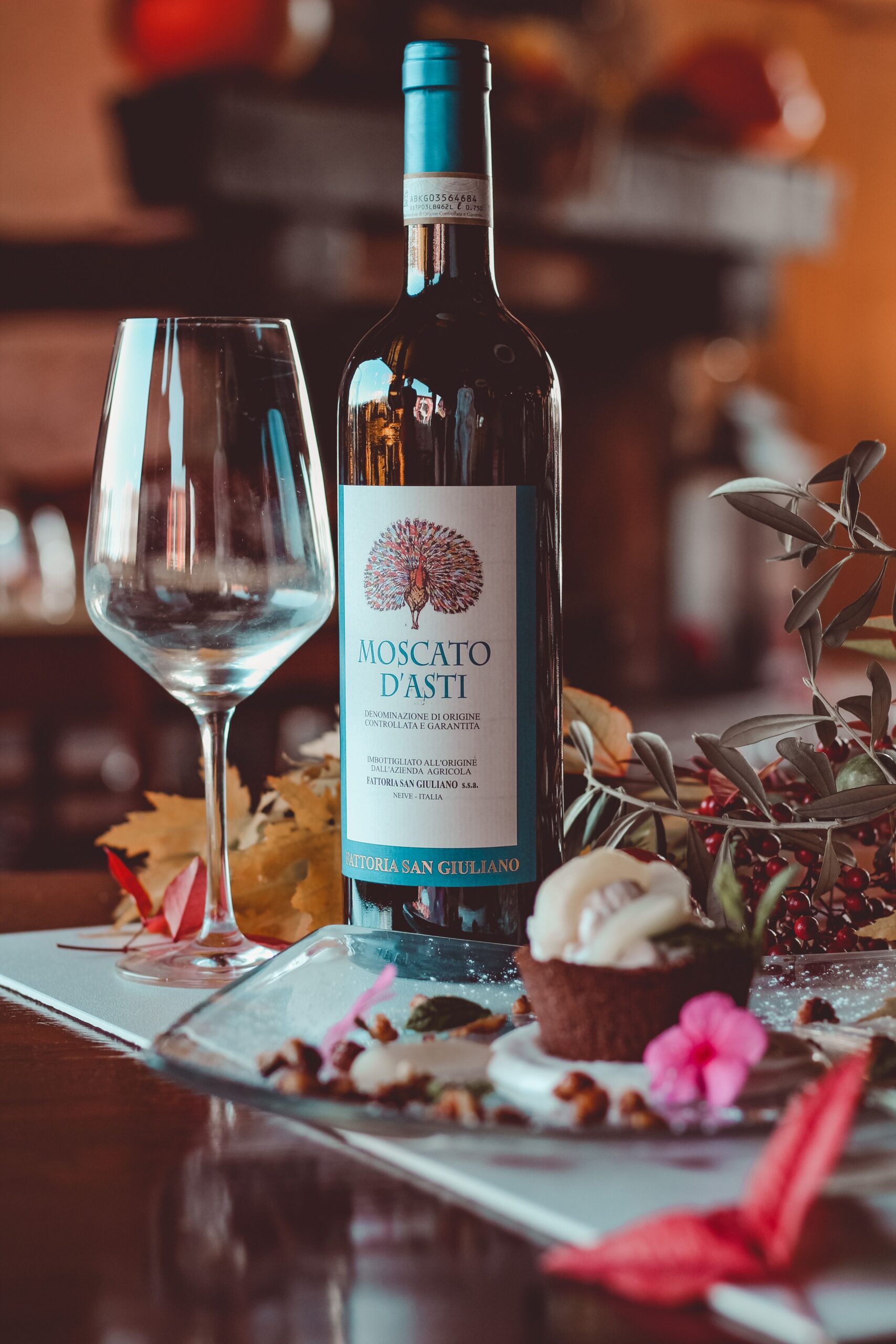
Both wines come from the same Muscat grape grown in the same corner of Piedmont, and both are protected DOCG wines. The difference is how much fizz and alcohol they carry.
| Feature | Moscato d’Asti | Asti (Spumante) |
|---|---|---|
| Style | Lightly fizzy (frizzante) | Fully sparkling (spumante) |
| Pressure | Up to about 1.7 atmospheres | About 3.5 to 4 atmospheres |
| Alcohol | About 5.5 percent | About 7 to 9.5 percent |
| Sweetness | Sweet, roughly 100 to 150 g/L sugar | Sweet, usually a touch less |
| Closure | Still-wine cork, no cage | Sparkling cork and wire cage |
| Best for | Sipping, brunch, dessert | Toasts and celebration |
Where the best Moscato comes from
The heartland is Piedmont in northwest Italy. Moscato Bianco, known in France as Muscat Blanc a Petits Grains, has grown in these hills since at least the 14th century and is the first grape ever documented in Piedmont’s history. The towns around Asti turn it into Moscato d’Asti and Asti, the wines that define the style.
Beyond Italy, Moscato belongs to the ancient and sprawling Muscat family, one of the oldest cultivated grapes on earth. The noble Muscat Blanc a Petits Grains makes the finest examples, while the hardier Muscat of Alexandria feeds many sweeter and fortified styles. France pours fortified Muscat de Beaumes-de-Venise from the Rhone and dry Muscat in Alsace. Portugal makes fortified Moscatel de Setubal, Spain has its Moscatel, and Greece is famous for the Muscat of Samos. Australia’s Rutherglen Muscat, built on dark Brown Muscat, ranks among the world’s greatest dessert wines, all toffee, raisin, and Christmas cake. In the United States, California’s Central Valley produces huge volumes of friendly, affordable Moscato, including the pink Moscato that fueled an American craze in the early 2010s.
The Moscato family: pink, red, sparkling, fortified
Moscato d’Asti is the gold standard: gently fizzy, low in alcohol, and made to drink young.
Asti is the fully sparkling, festive version, with more pressure and a touch more strength.
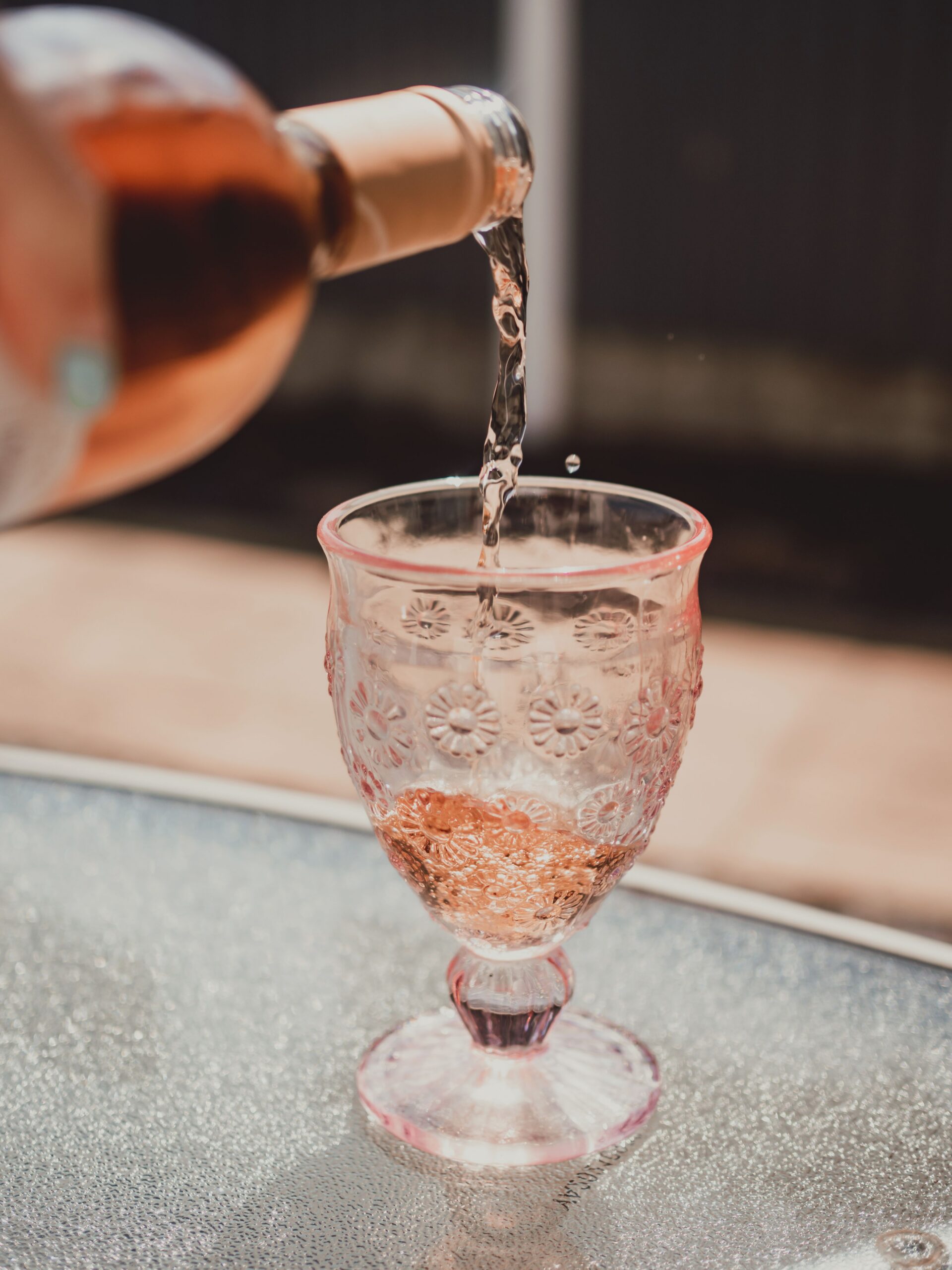
Pink Moscato is a sweet rose, white Moscato blended with a splash of red wine for color and notes of strawberry and red berry.
Red Moscato is made from dark-skinned Black Muscat, with berry and rose-petal character.
Still Moscato skips the bubbles entirely and ranges from sweet to off-dry.
Fortified Muscat is the rich, ageworthy end of the family, from Rutherglen Muscat and Moscatel de Setubal to Beaumes-de-Venise and Samos.
How to serve Moscato
Serve Moscato colder than most whites. Aim for about 40 degrees Fahrenheit for the sparkling styles, 45 for white and pink, and a light chill near 50 for red Moscato. Cold temperatures keep the wine crisp and stop the sweetness from feeling heavy.
Drink most Moscato young, within a year or two of release, while the aromatics are at their most vivid. No decanting is needed, just open and pour. The one exception is fortified Muscat, which can age gracefully for decades.
How to choose a bottle of Moscato
Crowd-pleasers
Approachable Moscato and pink Moscato built for easy sipping. Names like Stella Rosa, Barefoot, Sutter Home, and Brown Brothers deliver fruit-forward sweetness with no fuss.
Moscato d’Asti DOCG
Authentic Piedmont bottles with a delicate fizz and bright Muscat aromatics. Look for Saracco, Vietti Cascinetta, Michele Chiarlo Nivole, or La Spinetta Bricco Quaglia.
Fortified Muscat
The ageworthy, dessert-course end of the family. Rutherglen Muscat from Chambers or Morris, Moscatel de Setubal, Beaumes-de-Venise, and Muscat of Samos.
Pair it well with our wine and cheese pairing guide, or let the wine pairing generator match a bottle to your meal. Not sure where to start? Take the find your wine quiz.
What to eat with Moscato
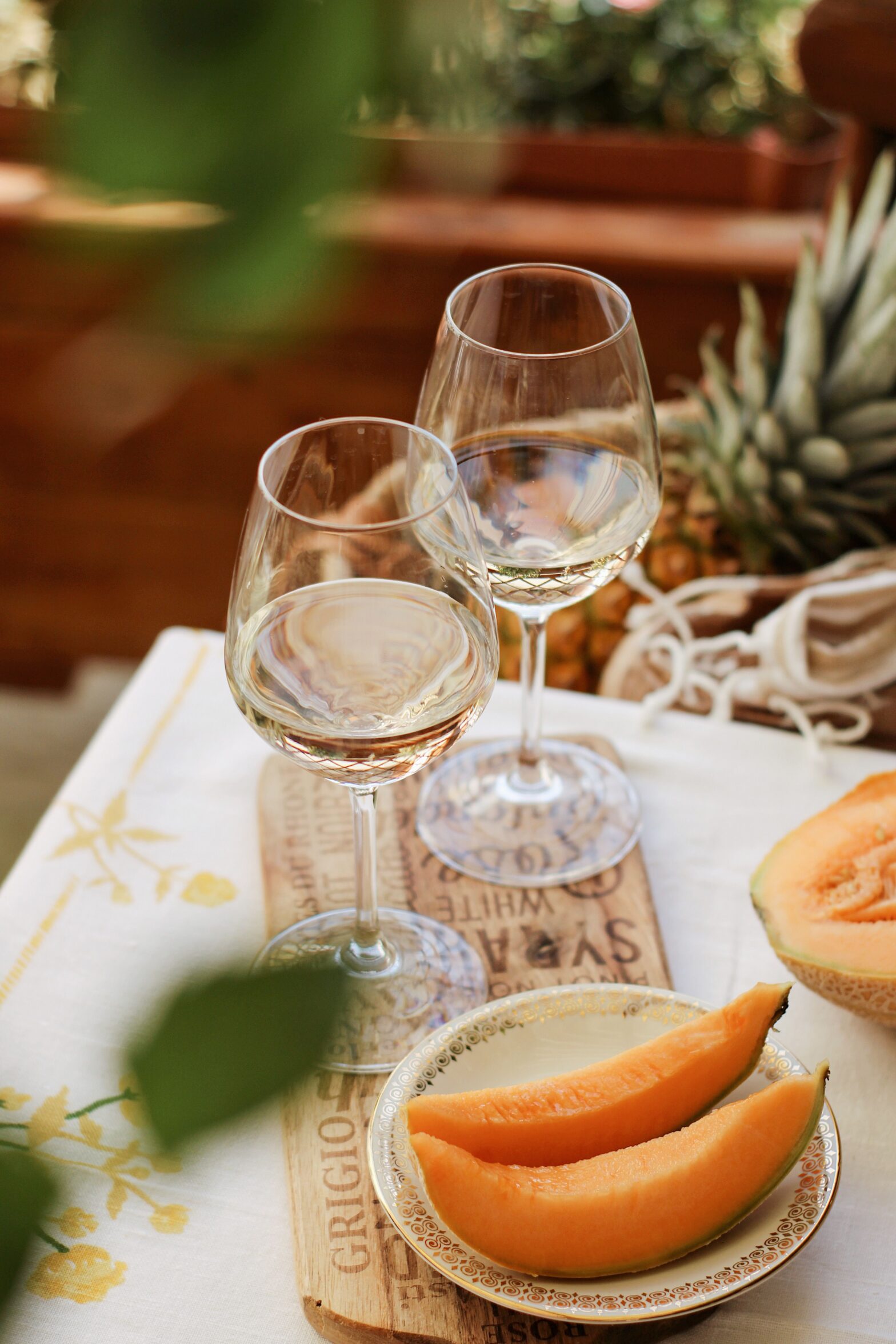
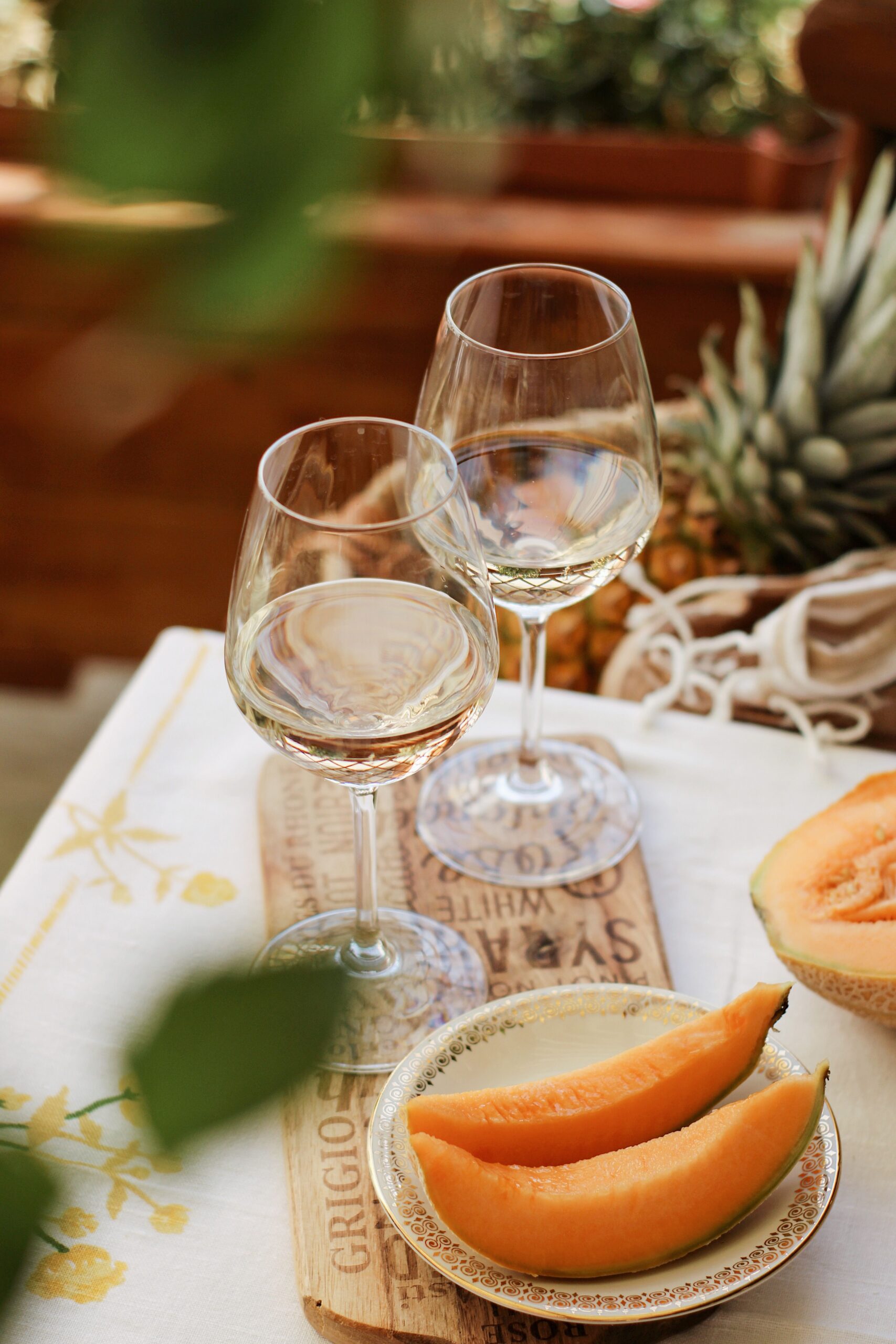
Moscato’s sweetness and low alcohol make it a natural foil for spicy food. Pour it with Thai, Sichuan, Indian curries, or spicy wings, where the sugar tames the heat better than a dry white ever could. It is also a brunch hero next to pancakes, pastries, and fruit, and it flatters fresh stone fruit, melon, and berries.
For cheese, reach for soft and creamy styles like ricotta, mascarpone, and Brie, or play sweet against salty with Parmesan and blue. On the dessert table, keep it to lighter, not-too-sweet finishes such as fruit tart, panna cotta, biscotti, and almond cookies. Fortified Muscat is the exception, rich enough to stand up to blue cheese, dark chocolate, and Christmas pudding.
Moscato FAQ
Is Moscato sweet?
Yes, almost always. A classic Moscato d’Asti has roughly 100 to 150 grams of sugar per liter, but its very low alcohol and gentle fizz keep it tasting light rather than syrupy.
How much alcohol is in Moscato?
Moscato d’Asti is only about 5.5 percent alcohol. Fully sparkling Asti runs 7 to 9.5 percent. Both are among the lowest-alcohol wines you can buy.
Is Moscato the same as Asti?
They come from the same Muscat grape in the same part of Piedmont, but Moscato d’Asti is lightly fizzy and lower in alcohol, while Asti is fully sparkling and a bit stronger.
What is pink Moscato?
Pink Moscato is a sweet rose style: white Moscato blended with a small amount of red wine, which adds the pink color and notes of strawberry and red berries.
What does Moscato taste like?
Expect peach, apricot, orange blossom, ripe pear, honeysuckle, and honey. The Muscat grape is so aromatic that the wine smells much like the fresh grape itself.
How long does Moscato last once opened?
Lightly sparkling Moscato is best within a day or two of opening, kept cold and recorked. Fortified Muscat will keep for weeks or longer.
What food goes with Moscato?
Spicy dishes, brunch, fresh fruit, soft cheeses, and light desserts. Its sweetness cools spice and flatters fruit better than a dry wine.
Is Moscato a good wine for beginners?
Yes. It is gentle, fruity, low in alcohol, and easy to enjoy, which makes it one of the best starting points in wine.
Featured guide: California Red Wine: the grapes, regions, and bottles worth opening, from Napa Cabernet to old-vine Zinfandel.
Are you affiliated with this winery?