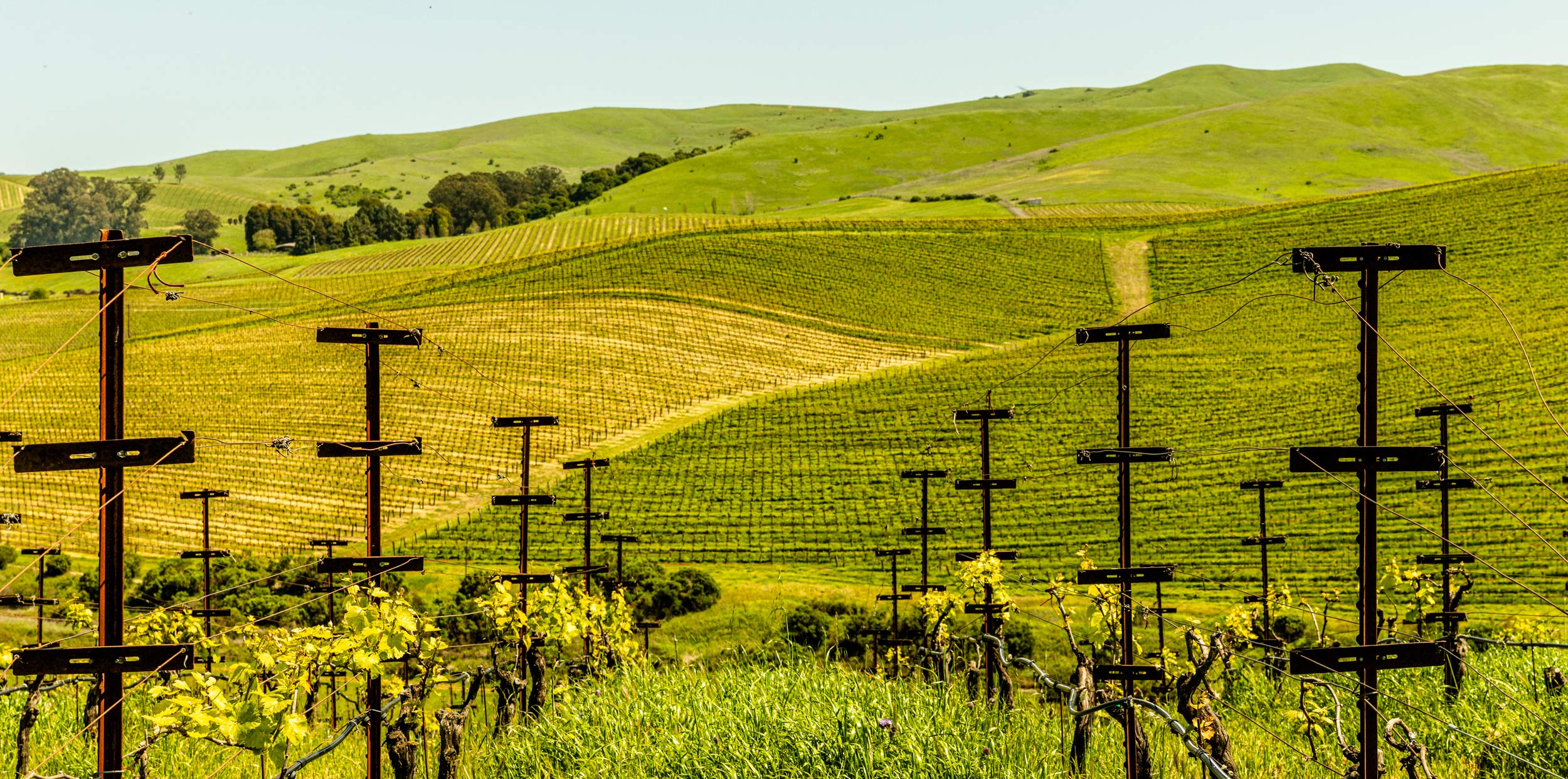
Grgich Hills Estate was co-founded on July 4, 1977 — American Independence Day, a date chosen deliberately by Croatian immigrant Miljenko ‘Mike’ Grgich to mark his own declaration of independence as a winemaker. Two years earlier, Grgich had made the 1973 Chateau Montelena Chardonnay that defeated the finest white Burgundies in the world at the now-legendary 1976 Paris Tasting, shocking the international wine establishment and putting California wine on the global map. With his business partner Austin Hills, Grgich built an estate in Rutherford focused on the same principles that drove that history-making wine: estate-grown fruit, meticulous farming, and minimal intervention in the cellar. Today the estate is 100% estate grown, Regenerative Organic Certified across five Napa Valley vineyards spanning five distinct appellations, and still family-owned and operated.
History: The Judgment of Paris and the Birth of Grgich Hills
Miljenko ‘Mike’ Grgich was born in Croatia in 1923 and immigrated to the United States in 1958 with almost nothing. He had trained in winemaking in the Old World, but it was in California that his talent found the conditions it needed. After stints at Beaulieu Vineyard (where he worked under the legendary Andre Tchelistcheff), Mondavi, and other Napa estates, Grgich landed at Chateau Montelena in the early 1970s.
At Chateau Montelena, Grgich made the 1973 Chardonnay. When British wine merchant Steven Spurrier organized a comparative blind tasting in Paris in May 1976 — pitting the best California wines against the best of Burgundy and Bordeaux — the Chateau Montelena Chardonnay won, beating out four white Burgundy Grand Crus. The French judges, who included some of the most respected names in European wine, were reportedly stunned. The result (later immortalized in the film ‘Bottle Shock’) permanently changed how the world thought about California wine.
On July 4, 1977, Mike Grgich and Austin Hills — a scion of the Hills Bros. Coffee family — opened Grgich Hills Estate on Highway 29 in the Rutherford area. Grgich chose the date as a personal declaration of independence. He never looked back.
Answer a few quick questions and get your wine personality, your best matches, and where to taste them.
Start the quizEstate Farming and Regenerative Organic Certification
Grgich Hills is one of the few major Napa wineries that is truly 100% estate grown — every grape that goes into a Grgich Hills bottle comes from estate vineyards owned and farmed by the family. Those vineyards span five distinct Napa Valley appellations: Rutherford, Yountville, American Canyon, Carneros, and the estate vineyards along the Napa River, each contributing different soil signatures and microclimates to the final blends.
The winery has long been committed to sustainable and organic farming. In recent years it achieved Regenerative Organic Certification (ROC), one of the most rigorous farming standards in the world — going beyond organic to require soil health improvement, fair labor practices, and animal welfare. The Paradise Block, Grgich Hills’ most ambitious Cabernet program, comes from a Regenerative Organic Certified old-vine block and represents what the winery calls the purest expression of its estate terroir: unmanipulated, age-worthy, and rooted in land that has been farmed with genuine care.
The Wines: Chardonnay, Cabernet, and the Estate Portfolio
Chardonnay is the wine that made Grgich Hills famous and it remains the flagship. Mike Grgich learned his Chardonnay philosophy in Burgundy and has always valued balance and restraint over oak and butter — the Grgich Hills Chardonnay is fermented and aged in French oak but retains the wine’s natural acidity and the character of the specific vineyard blocks that produced it. In 2026, to commemorate the 50th anniversary of the Paris Tasting, the winery released the 2023 Paris ’76 Chardonnay as a tribute to the history.
Cabernet Sauvignon from the Rutherford estate anchors the red portfolio, with the Paradise Block as the prestige expression. The broader lineup includes Merlot, Zinfandel, and Fumé Blanc. Mike Grgich, now over 100 years old, has handed day-to-day winemaking to his nephew Ivo Jeramaz and daughter Violet Grgich, but his philosophy — respect the vineyard, respect the grape, let the wine speak for itself — guides every bottle.
Tell us what is on the table and our pairing generator finds the wine that makes the meal.
Find your pairingVisiting Grgich Hills Estate: Walk-Ins Welcome Daily
Grgich Hills Estate is open daily from 9:30 a.m. to 4:30 p.m., and walk-ins are always welcome — a refreshingly relaxed approach in Napa Valley, where most top wineries now require reservations for everything. The winery is dog-friendly, family-friendly, and welcomes guests of all ages, with those 21 and older permitted to taste wine.
Guided experiences range from the Seated Miljenko’s Tasting ($60, four limited production and specialty wines over 90 minutes, up to 8 guests) to the AVA Exploration ($125, a deep dive through five Regenerative Organic Certified vineyards across five Napa appellations, including a walk of the estate and a glimpse into the cellar), to the Private Library Tasting ($250, six wines curated to personal preference in the winery’s Library Room). By-the-glass and bottle service are available on the outdoor garden patio, which has an easterly view toward the Vaca Mountains — one of the more scenic outdoor tasting spots on Highway 29. Reservations can be made by calling (707) 963-2784.
Plan Your Visit to Grgich Hills Estate
Taste the Chardonnay style that shocked Paris in 1976 — and the estate Cabernet and Regenerative Organic wines that have carried that legacy forward. Walk-ins welcome daily; use the wine pairing tool below to find the perfect food match before your visit.
Find your wine