By The Popular Wines Tasting Team. Last updated June 2026.
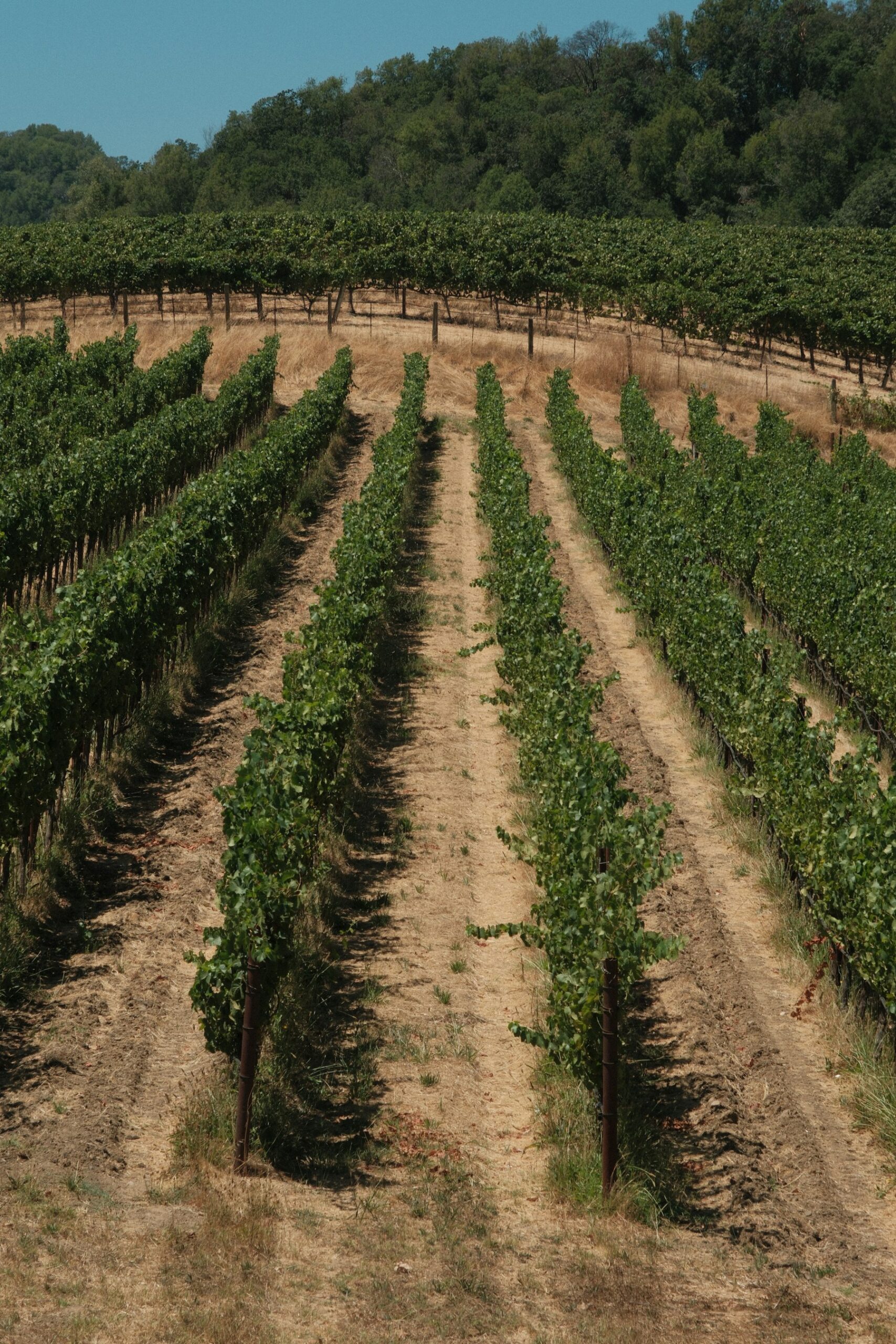
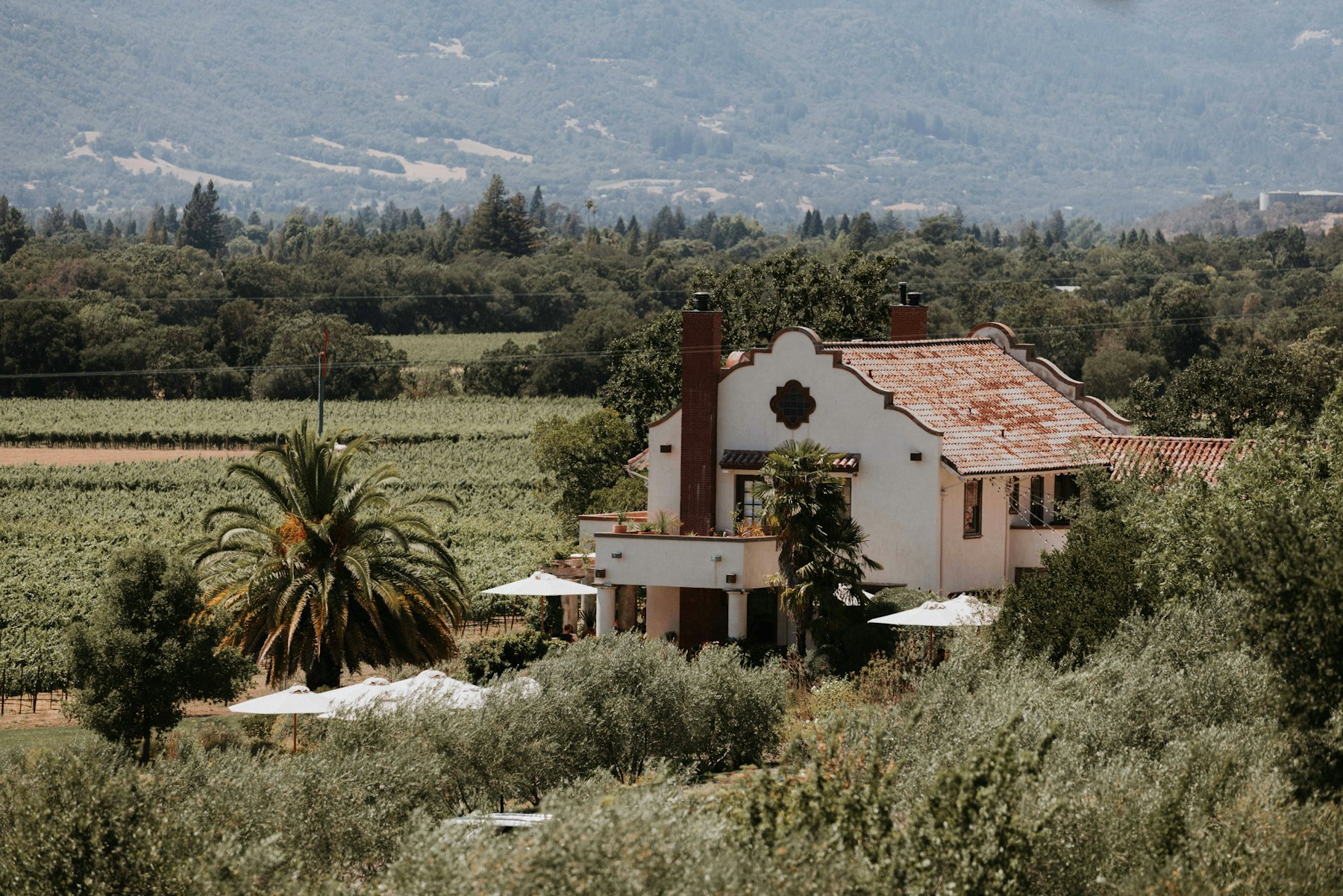
Sonoma County is large and unusually varied. It runs from the Pacific to the Mayacamas Mountains, and inside that span sit cool coastal zones that ripen Pinot Noir slowly and hot inland valleys that build powerful Zinfandel and Cabernet. No other California county packs this much climate into one place.
Sonoma County wine comes from a 1,600-square-mile region north of San Francisco where 18 distinct AVAs produce some of California’s most varied red and white wines. The Russian River Valley and Sonoma Coast are known for fog-driven Pinot Noir and Chardonnay, while Dry Creek Valley produces benchmark Zinfandel and Alexander Valley delivers rich Cabernet Sauvignon. More than 400 wineries operate across the county, spanning everything from century-old family estates to small-production urban tasting rooms.
Where California Wine Put Down Roots: Sonoma’s History
Sonoma has a strong claim to being the birthplace of the modern California wine industry. In 1857 the Hungarian emigre Agoston Haraszthy founded Buena Vista in the hills east of the town of Sonoma, planting premium European cuttings and building the state’s first major winery. A year later, Bavarian-born Jacob Gundlach planted Rhinefarm and started what is now Gundlach Bundschu, California’s oldest continuously family-owned winery, led today by the sixth generation.
The county weathered phylloxera and Prohibition, kept old Zinfandel and field-blend vineyards in the ground, and re-emerged late in the twentieth century with a new identity. In the 1980s Williams Selyem and Rochioli showed the world that the Russian River Valley could grow Pinot Noir to rival Burgundy, and Sonoma’s farm-to-table culture, anchored in Healdsburg and the town of Sonoma, turned wine country into a dining destination.
Answer a few quick questions and get your wine personality, your best food pairings, and a wine-country day to match.
Start the quiz| Category | Details |
|---|---|
| Location | Northern California, 55 miles north of San Francisco |
| Total AVAs | 18 American Viticultural Areas |
| Number of wineries | 400+ across the county |
| Signature varieties | Pinot Noir, Chardonnay, Zinfandel, Cabernet Sauvignon |
| Coolest sub-regions | Russian River Valley, Sonoma Coast, Carneros |
| Warmest sub-regions | Alexander Valley, Dry Creek Valley, Knight’s Valley |
| Best time to visit | September-November harvest or May-June shoulder season |
One County, Many Climates: How Sonoma County Wine Gets Its Range
Sonoma’s range comes from the Pacific. Cold ocean air and fog pour through gaps in the coastal hills, most famously the Petaluma Gap, and settle into the Russian River Valley most mornings before burning off by midday. That daily cooling lets Pinot Noir and Chardonnay hang long and hold their acidity. Push west to the true coast at Fort Ross-Seaview and the West Sonoma Coast, and the climate turns severe and marginal, the realm of intense, low-yield Pinot and Syrah.
Move inland and the picture flips. Dry Creek Valley, Alexander Valley, and Knights Valley sit beyond the reach of most fog and bake under summer heat, which is why they grow Zinfandel and Cabernet rather than cool-climate grapes. Above it all, the Mayacamas ridgeline, plus Moon Mountain, Sonoma Mountain, and Rockpile, gives mountain-grown reds with firmer structure and thicker skins.
Sonoma County Wine Varieties: Pinot, Zinfandel, and the Full Bench
Two grapes define Sonoma in most drinkers’ minds. Pinot Noir and Chardonnay own the cool zones of the Russian River Valley, the Sonoma Coast, and Carneros, and they also feed the county’s serious sparkling-wine tradition. Zinfandel is the other signature, grown as gnarled old vines in Dry Creek Valley and on the rocky heights of Rockpile. Beyond those, Alexander Valley and the Mayacamas slopes make structured Cabernet, Sauvignon Blanc thrives on the warmer benches, and Syrah has a real foothold on the coast. The breadth is the whole point.
| AVA | Best Varieties | Style |
|---|---|---|
| Russian River Valley | Pinot Noir, Chardonnay | Elegant, acid-driven, fog-influenced |
| Dry Creek Valley | Zinfandel, Sauvignon Blanc | Bold, ripe fruit, warm valley floor |
| Alexander Valley | Cabernet Sauvignon, Merlot | Rich and full-bodied, warm growing season |
| Sonoma Coast | Pinot Noir, Chardonnay | Cool, mineral, restrained, ocean-facing sites |
| Carneros | Pinot Noir, Chardonnay, sparkling | Cool, bay-influenced, bright acidity |
| Green Valley | Pinot Noir | Very cool, consistently foggy, concentrated |
| Carneros | Pinot Noir, Chardonnay, Sparkling | Cool, Bay-influenced, sparkling wine specialist |
Sonoma County Wine AVAs: All 18 Growing Districts
Russian River Valley
Sonoma’s most famous cool-climate appellation. Morning fog off the Russian River slows ripening and gives benchmark Pinot Noir and Chardonnay with bright acidity.
Sonoma Coast
A vast appellation tracking the Pacific influence inland. Cool, foggy, and varied, it is the source of much of the county’s coastal Pinot and Chardonnay.
West Sonoma Coast
The true coastal edge, established to recognize the extreme ridgetop sites closest to the ocean. Marginal, low-yield, intense Pinot Noir and Syrah.
Fort Ross-Seaview
High above the fog line on the far coast, Pacific-facing and wind-exposed. Concentrated, structured Pinot Noir and Chardonnay from thin ridge soils.
Green Valley of Russian River Valley
The coolest, foggiest pocket of the Russian River Valley, on sandy Goldridge soil. A historic home for sparkling wine and taut Pinot.
Dry Creek Valley
Zinfandel heartland west of Healdsburg, with old-vine plantings along a narrow warm valley. Also strong for Sauvignon Blanc and Rhone varieties.
Rockpile
A rugged, high-elevation appellation above Lake Sonoma, well over the fog. Powerful, sun-soaked Zinfandel and Cabernet from steep, rocky ground.
Alexander Valley
A warm, broad inland valley around Geyserville known for ripe, structured yet supple Cabernet Sauvignon, along with Chardonnay and Zinfandel.
Knights Valley
The warm easternmost appellation, tucked toward the base of Mount St. Helena. Cabernet country with real ripeness and depth.
Chalk Hill
A warm hillside zone in the east Russian River area, named for its pale volcanic ash soils. Best known for richer Chardonnay and Cabernet.
Sonoma Valley
The historic cradle, the “Valley of the Moon” between the Mayacamas and Sonoma Mountain. A warm mix of Cabernet, Zinfandel, and old-vine reds.
Sonoma Mountain
West-facing slopes rising above Sonoma Valley, above the fog and cooled by elevation. Distinctive, age-worthy Cabernet and reds.
Moon Mountain District
The Sonoma side of the Mayacamas, with red volcanic soils and steep terraces. Mountain-grown Cabernet and Zinfandel of real intensity.
Bennett Valley
A small, cool valley near Santa Rosa funneled by a wind gap. Suited to Merlot, Syrah, and cooler-climate reds.
Carneros
The cool, breezy southern district shared with Napa, on the edge of San Pablo Bay. Premier Pinot Noir, Chardonnay, and sparkling base wine.
Petaluma Gap
A wind-defined appellation where ocean air pours through a break in the coastal hills. Pinot Noir, Syrah, and Chardonnay marked by structure and savor.
Fountaingrove District
The hills above and east of Santa Rosa, with a long winemaking history. A warmer site for Cabernet, Zinfandel, and Rhone grapes.
Pine Mountain-Cloverdale Peak
The highest-elevation appellation in the county, in the far north on the Mendocino line. Tiny production of mountain Cabernet and reds.
Northern Sonoma
A large umbrella appellation covering most of the county’s northern AVAs, used for blends drawn across several of them.
Grapes of Sonoma County: A Complete Varietal Guide
Pinot Noir
The county’s cool-climate signature. Russian River, Sonoma Coast, and Carneros all stake a claim, ranging from red-fruited and elegant to dark and structured.
Chardonnay
Grown across every cool district. Styles run from lean and mineral on the coast to rich and textured in the Russian River Valley.
Zinfandel
Sonoma’s heritage red. Gnarled old vines in Dry Creek Valley and on Rockpile give brambly, concentrated, distinctly Californian wine.
Cabernet Sauvignon
The inland and mountain star. Alexander Valley, Knights Valley, and Moon Mountain build ripe, structured, age-worthy reds.
Sauvignon Blanc
A specialty of Dry Creek Valley and warmer benches, crisp and herbal, a natural partner to the local table.
Syrah
A serious presence on the cool coast and in the Petaluma Gap, where wind and fog give peppery, savory, cool-climate Syrah.
Sparkling Wine
A deep tradition rooted in Green Valley and Carneros, from Korbel’s long history to estate methode traditionnelle bottlings.
Old-Vine Field Blends
Pre-Prohibition vineyards interplanted with Zinfandel, Carignane, Petite Sirah, and more, kept alive as living pieces of California history.
Wineries That Define Sonoma County Wine
Buena Vista
Sonoma. Founded by Agoston Haraszthy in 1857, the state’s first major premium winery and a cornerstone of California wine history.
Gundlach Bundschu
Sonoma Valley. Planted as Rhinefarm in 1858 and still run by the founding family, California’s oldest continuously family-owned winery.
Williams Selyem
Russian River Valley. The cult that proved Russian River Pinot Noir could stand with the world’s best, built from named single vineyards.
Rochioli
Russian River Valley. Pinot Noir royalty on Westside Road, growing benchmark fruit since the 1960s and bottling estate wines of great pedigree.
Ridge Lytton Springs
Dry Creek Valley. A legendary old-vine Zinfandel and field-blend estate, a reference point for what Sonoma Zinfandel can be.
Hanzell
Sonoma Valley. Home to the oldest continuously producing Chardonnay and Pinot Noir vines in North America, planted in 1953 on Moon Mountain.
Iron Horse
Green Valley. A celebrated sparkling-wine estate whose cuvees have been poured at the White House, set in the cool western hills.
Seghesio
Healdsburg. A fifth-generation family winery with deep old-vine Zinfandel roots reaching back to the late nineteenth century.
What to Eat with Sonoma County Wine
Healdsburg Plaza
The hub of northern Sonoma wine country, a walkable town square ringed by tasting rooms, restaurants, and shops at the meeting point of three great AVAs.
SingleThread
A three-Michelin-star inn and farm restaurant in Healdsburg, serving a hyper-seasonal tasting menu grown on its own nearby farm.
The Girl & the Fig
A Sonoma Plaza institution for country French cooking and an all-Rhone wine list, a fixture of the town’s dining scene.
Sonoma Plaza
The historic heart of the town of Sonoma, anchored by the old Mission and surrounded by tasting rooms, cheese shops, and the city park.
Dry Creek General Store
An 1881 country store and deli in Dry Creek Valley, the classic stop to build a picnic before an afternoon among the Zinfandel vines.
Russian River
Beyond the vineyards, the river itself draws canoeists and swimmers in summer, winding past redwoods on its way to the coast at Jenner.
How to Choose Sonoma County Wine: A Practical Guide
Sonoma rewards matching the wine to the AVA. For bright, silky Pinot Noir and taut Chardonnay, look to the cool Russian River Valley and Sonoma Coast. For old-vine Zinfandel with pepper and spice, look to Dry Creek Valley. For structured Cabernet at a friendlier price than Napa, look to Alexander Valley. Pick a style, then a tier.
Russian River Pinot or Chardonnay
The county’s calling card. Houses like Kistler, La Crema, and Williams Selyem set the standard for silky, cool-climate Pinot Noir and rich, balanced Chardonnay.
Sonoma Coast Pinot or Dry Creek Zinfandel
For more edge, chase a windswept Sonoma Coast Pinot from Flowers or Hirsch, or a brambly old-vine Zinfandel from Ridge in Dry Creek Valley.
Alexander Valley Cabernet and county blends
Alexander Valley Cabernet offers Napa-style richness for less, and bottles labeled simply Sonoma County deliver honest quality at everyday prices.
Sonoma’s food-friendly wines shine at the table. Pour Pinot Noir with salmon or roast chicken, Zinfandel with barbecue, Chardonnay with crab or roast turkey, and Cabernet with a ribeye. For more matches, try our wine pairing generator, and explore the neighbors in our guides to Napa Valley and California red wine.
Sonoma County FAQ
What is Sonoma County known for?
Range. It makes benchmark Pinot Noir and Chardonnay in the cool Russian River Valley and on the Sonoma Coast, old-vine Zinfandel in Dry Creek Valley, and structured Cabernet in Alexander Valley, all in one county. It is also widely regarded as the birthplace of California’s commercial wine industry.
How is Sonoma different from Napa?
Sonoma is much larger, more rural, and far more varied. Where Napa is a single valley focused on Cabernet, Sonoma spreads across nineteen appellations and many climates, growing everything from cool-coast Pinot to inland Zinfandel and mountain Cabernet.
Which Sonoma AVA is best for Pinot Noir?
The Russian River Valley is the most famous, prized for its fog-cooled, layered Pinot. The Sonoma Coast, West Sonoma Coast, and Carneros also produce outstanding, often more intense and structured, examples.
Where does the best Zinfandel come from in Sonoma?
Dry Creek Valley is the heartland, with old vines giving classic brambly, balanced Zinfandel. The high, rugged Rockpile appellation above Lake Sonoma produces a bolder, more concentrated style.
Where should I base a Sonoma wine trip?
Healdsburg is the most central choice, within easy reach of the Russian River Valley, Dry Creek Valley, and Alexander Valley. The historic town of Sonoma is the better base for the southern valley and Carneros.
What grapes does Sonoma County grow?
Pinot Noir and Chardonnay lead in the cool coastal AVAs, while Zinfandel thrives on old vines in Dry Creek Valley and Cabernet Sauvignon excels in the warm Alexander Valley. Sonoma also grows Sauvignon Blanc, Syrah, Merlot, and sparkling-wine grapes in Carneros.
Is Sonoma wine cheaper than Napa?
Generally yes. Sonoma tends to be more rustic and varied, and bottles labeled Sonoma County, Alexander Valley Cabernet, and Dry Creek Zinfandel often deliver comparable quality to Napa for less. The top Russian River Pinot and single-vineyard wines can still command high prices.
What food pairs with Sonoma wine?
Sonoma’s balanced, food-friendly style is versatile. Pour Pinot Noir with salmon or roast chicken, Chardonnay with crab or turkey, Zinfandel with barbecue and burgers, and Alexander Valley Cabernet with a steak.
Not sure where to start
Answer a few quick questions and we will point you to a Sonoma wine that fits your taste.
Find your wineTake our quick quiz to find your style, your best food pairings, and a wine-country day to match.
Take the quizSonoma County Wine Sub-Regions: Complete Directory
Sonoma County contains 18 American Viticultural Areas, each with its own climate, soils, and signature grape varieties. Use this directory to explore each sub-region in depth.
- Russian River Valley — Pinot Noir and Chardonnay, Pacific fog, Goldridge sandy loam soils
- Dry Creek Valley — Old-vine Zinfandel, Sauvignon Blanc, rocky benchland soils
- Alexander Valley — Cabernet Sauvignon, Chardonnay, warm interior valley, Jordan and Silver Oak country
- Sonoma Coast — Cool-climate Pinot Noir and Chardonnay, Pacific ridgeline sites, Flowers and Hirsch
- Sonoma Valley — Zinfandel and Cabernet, Kenwood and Glen Ellen, warmer inland zone
- Carneros — Cool bay-influenced southern zone, Pinot Noir and Chardonnay shared with Napa County
Related reading
Sonoma County Wine: Your Questions Answered
What is Sonoma County known for?
How is Sonoma different from Napa?
Which Sonoma AVA is best for Pinot Noir?
Where does the best Zinfandel come from in Sonoma?
Where should I base a Sonoma wine trip?
What is Russian River Valley known for?
How does Sonoma compare to Napa Valley?
What is Sonoma County best for a first visit?
Sonoma County Wineries
We are currently focused on our two most complete California guides, Santa Barbara County and Paso Robles. Featured Sonoma names below, with more Sonoma coverage on the way.
Browse the full California Winery Directory for more.