

Browse SLO Coast wineries
Every winery in SLO Coast. Search by name or scroll the list, and click any winery for its guide.
By The Popular Wines Tasting Team. Last updated June 2026.
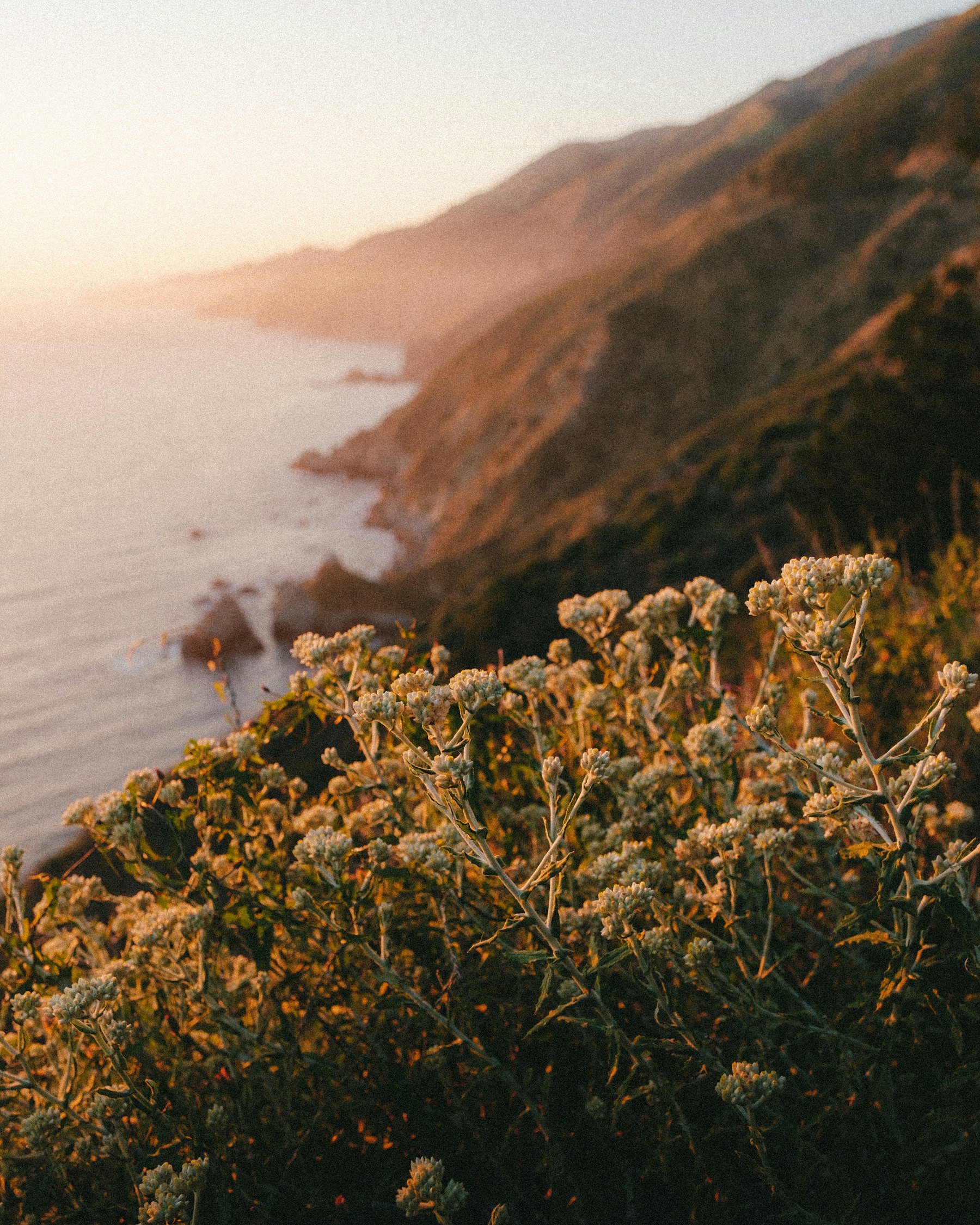
The San Luis Obispo Coast, or SLO Coast, is the newest major coastal wine region in California and one of the coolest. Granted in 2022, it stretches 60 miles down the San Luis Obispo County coastline, from San Simeon in the north to Nipomo in the south, a narrow ribbon of vineyards pinned between the Pacific and the western slope of the Santa Lucia Mountains. Almost every vine here grows within six miles of the ocean, which makes the SLO Coast one of the most thoroughly maritime, genuinely cool-climate AVAs in the state.
The newest name on the coast
The SLO Coast became an official American Viticultural Area on March 9, 2022, the 261st in the country. It was a long-overdue formal recognition of a coastline that had quietly been growing world-class cool-climate fruit for decades, including in its two older sub-AVAs, Edna Valley and Arroyo Grande Valley.
The numbers tell the story of a place defined by the sea. The AVA spans roughly 408,000 acres of land but only about 4,000 acres of vines across some 78 vineyards, and an astonishing 97 percent of those vineyards sit within six miles of the Pacific. This is not wine country that happens to be near the coast. It is coastal to its core.
Ninety-seven percent of SLO Coast vineyards grow within six miles of the Pacific, making it one of the most ocean-cooled AVAs in California.
Cool, and proudly so
The defining feature of the SLO Coast is cold ocean air, and lots of it. With the Pacific on one side and the Santa Lucia Mountains on the other, the region traps a steady marine influence, with fog and sea breezes keeping year-round temperatures in a narrow, gentle band, roughly 65 to 80 degrees through the growing season. There is very little of the searing heat found just over the hills inland.
That relentless cool is a gift for the grapes that need it. It slows ripening to a crawl, preserves bright natural acidity, and builds the kind of layered, high-tension flavors that warm regions cannot produce. It is why Chardonnay and Pinot Noir make up more than 80 percent of the plantings, and why coastal specialists like Albarino, Riesling, and Gruner Veltliner feel right at home.
Answer a few quick questions and we will match you to the coastal wines you will love, and where to taste them.
Start the quizWhat grows by the sea
Chardonnay and Pinot Noir are the heart of the SLO Coast, made in a bright, saline, distinctly coastal style that has earned the region a serious following. The Chardonnays balance richness with a citrus-and-oyster-shell cut, and the Pinot Noirs are red-fruited, perfumed, and structured.
But the cool climate opens the door to more. Albarino thrives in the salt air, Syrah turns savory and peppery rather than jammy, and aromatic whites like Riesling, Gruner Veltliner, and Gewurztraminer find the long, cool season they love. The naturally high acidity also makes superb traditional-method sparkling wine, a SLO Coast specialty since the 1980s.
What to pour it with
This is seafood wine country, and the pairings almost write themselves. Pour the Chardonnay and Albarino with oysters, crab, scallops, and grilled fish, where the wines bright acidity and briny edge meet the sweetness of the shellfish, a pairing strengthened by shared coastal, saline notes. A richer, barrel-aged Chardonnay stands up to lobster in butter.
The Pinot Noir is a natural with salmon, duck, roast chicken, and mushrooms, its acid cutting the fat and its savory side echoing the earthiness on the plate. Sparkling wine handles everything from fried foods to the first oyster of the night, its bubbles and acid scrubbing the palate clean. A pinch of salt on any plate rounds the wine and lifts its fruit.
Inside the SLO Coast
A long coastline made of distinct pieces, from two established valleys to wild, foggy capes.
Edna Valley
The cool heart of the coast just south of San Luis Obispo, famed for Chardonnay and Pinot Noir and the longest growing season in California.
Arroyo Grande Valley
A long valley from Pismo fog to warm inland hills, home to Pinot, sparkling, and old-vine Zinfandel.
San Simeon and Cambria
The wild, foggy northern coast, remote and cold, with pioneering cool-climate growers near Hearst Castle.
Morro Bay and Los Osos
Bayfront vineyards under near-constant marine influence, among the coolest sites in the state.
Avila and Pismo Beach
Beach-town tasting rooms and vineyards perched just above the surf.
| Appellation | Location | Known for |
|---|---|---|
| SLO Coast AVA | The full San Luis Obispo coastline, recognized 2022 | Cool-climate Pinot Noir, Chardonnay, Syrah, aromatic whites |
| Edna Valley | Just south of the city of San Luis Obispo | Crisp Chardonnay and elegant Pinot Noir on volcanic and marine soils |
| Arroyo Grande Valley | Southern end, opening to the sea | Pinot Noir, Chardonnay, and sparkling wine, home to Talley Vineyards |
The grapes of the SLO Coast
Cool-climate classics, with coastal whites and sparkling rounding out the range.
Notable SLO Coast wineries
From the valleys to the capes, a deep bench of cool-climate specialists.
Tolosa
An Edna Valley flagship farming the Edna Ranch for precise single-vineyard Chardonnay and Pinot Noir.
Talley Vineyards
The Arroyo Grande benchmark, family-farmed since 1986 for estate Pinot Noir and Chardonnay.
Laetitia
Built on the old Maison Deutz estate, renowned for traditional-method sparkling and coastal Pinot.
Chamisal Vineyards
Home to Edna Valley first vineyard, planted in 1973, with a long Chardonnay and Pinot focus.
Center of Effort
A polished Edna Valley estate making serious, age-worthy Chardonnay and Pinot Noir.
Sinor-LaVallee
A coastal pioneer farming some of the closest vines to the ocean, near Avila Beach.
Stolo Vineyards
A cold, foggy Cambria estate making distinctive far-north-coast wines.
Cutruzzola Vineyards
A tiny Cambria grower specializing in Riesling and Pinot Noir from the chilly north coast.
Visiting the SLO Coast
Beaches, fog, and vineyards strung along one of the prettiest stretches of Highway 1.
The SLO Coast is less a single destination than a string of them, anchored by the city of San Luis Obispo in the middle. The easiest hub is the Edna Valley and Arroyo Grande area just south of the city, where tasting rooms cluster within a short drive of each other and of Pismo and Avila beaches. To the north, the coast turns wilder toward Morro Bay, Cayucos, and Cambria, where a few cool-climate pioneers reward the longer drive.
Because the whole region hugs the ocean, expect cool, often foggy mornings even in summer, so pack a layer. Pair your tastings with the obvious local pleasures: fresh oysters, a walk on the beach, and a sunset over the Pacific.
How to choose a SLO Coast bottle
The SLO Coast is all about cool-climate freshness. The closer a vineyard sits to the ocean, the leaner and more mineral the wine. Decide whether you want a classic Burgundian style, something more adventurous, or an everyday bottle, then pick from there.
Edna Valley Chardonnay or Pinot Noir
The benchmark. Producers like Tolosa, Chamisal, and Claiborne and Churchill craft bright, balanced Chardonnay and silky Pinot Noir that show the region at its most polished.
Cool-coast Syrah or Albarino
For something different, chase a peppery, maritime Syrah or a saline Albarino from a coast-hugging producer like Sinor-LaVallee or Center of Effort. These wines taste like the sea air.
SLO Coast and Central Coast bottlings
Because the AVA is young, prices stay reasonable. Bottles labeled SLO Coast or Central Coast deliver cool-climate character without the premium of more famous regions.
These bright, high-acid wines love the table. Pour the Chardonnay with crab or grilled fish, the Pinot Noir with salmon or roast chicken, and the Albarino with oysters straight off the nearby coast. For more matches, try our wine pairing generator, and explore the neighbors in our guides to Santa Barbara and Paso Robles.
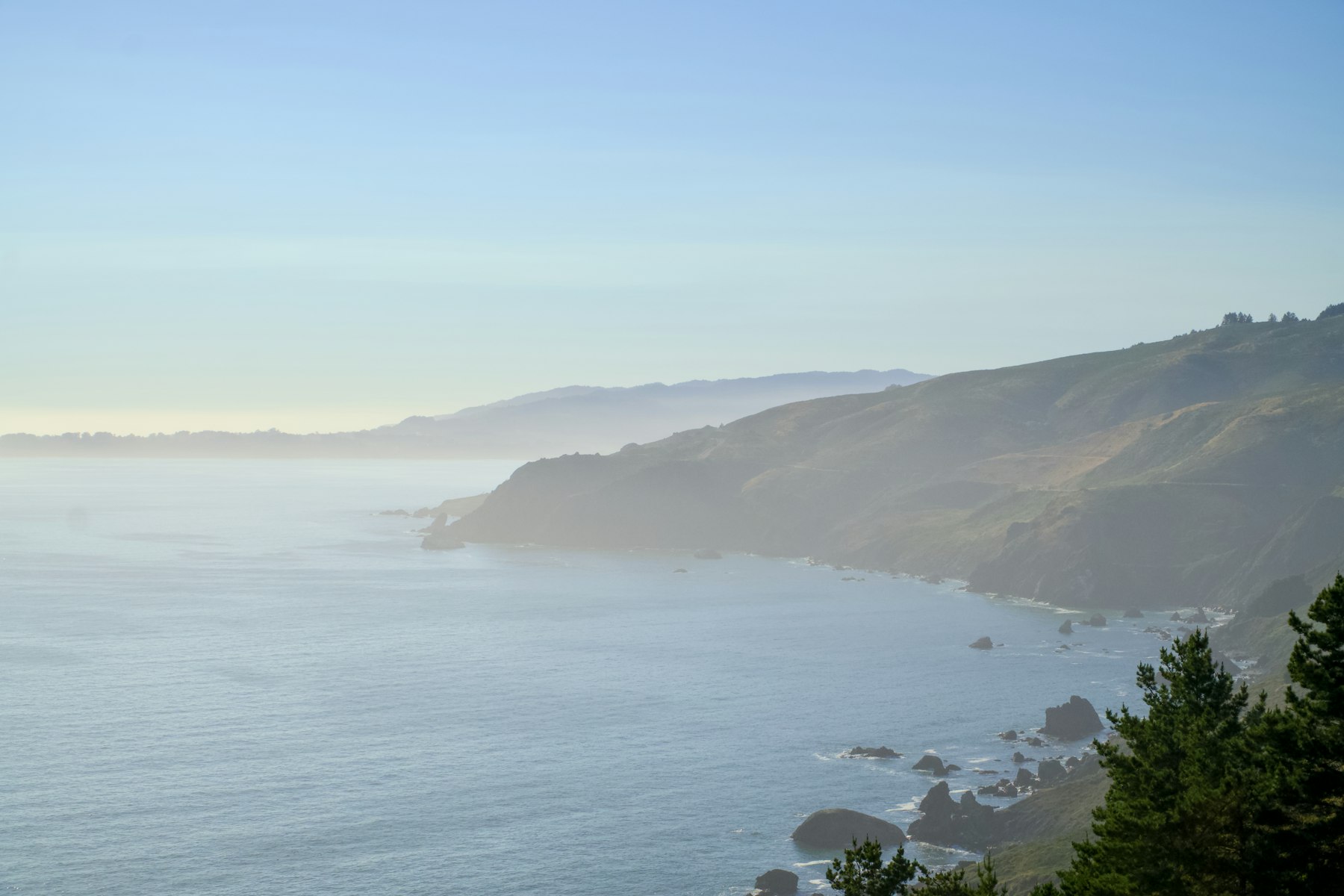
SLO Coast wine questions
What wine is the SLO Coast known for?
Where is the SLO Coast wine region?
When was the SLO Coast AVA established?
How is the SLO Coast related to Edna Valley and Arroyo Grande?
What grapes grow on the SLO Coast?
Why is the SLO Coast so cool?
What food pairs with SLO Coast wine?
Find your SLO Coast match
Take the 60-second quiz and we will point you to the coastal Chardonnay, Pinot, or sparkling you will love, and where to taste it.