
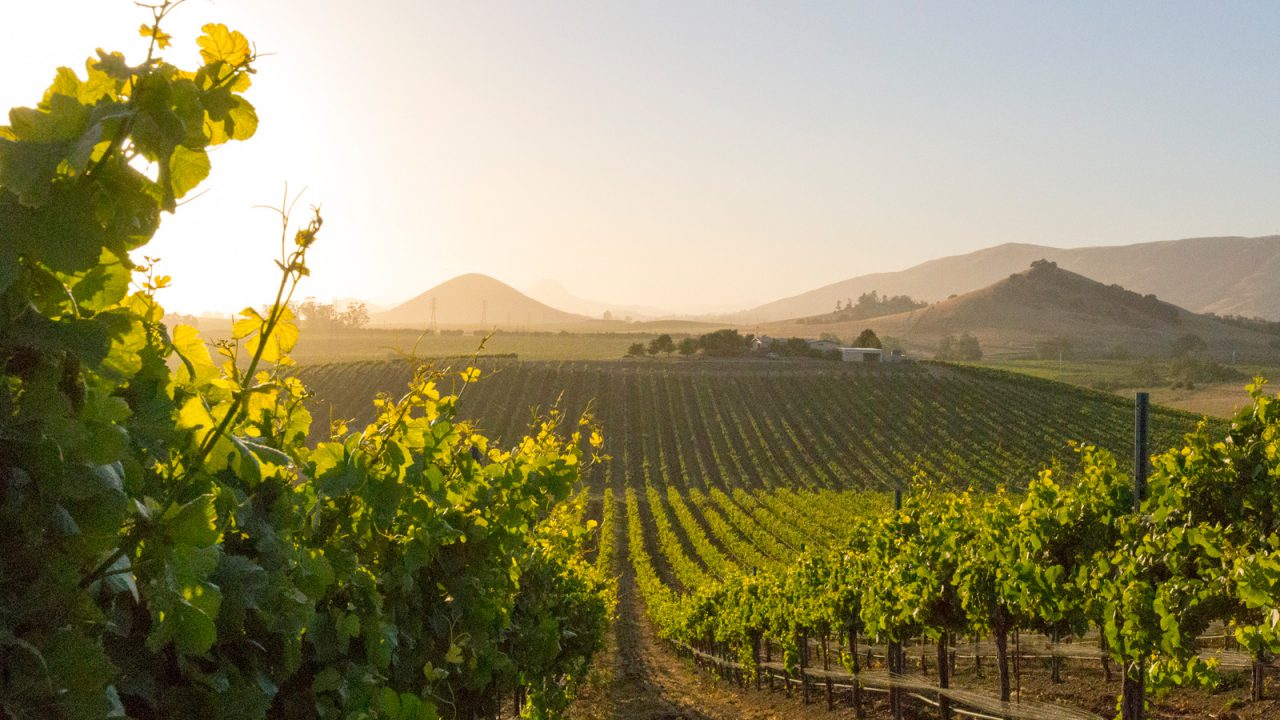
Walk the Wolff estate at dawn and you are standing among history. Some of these Chardonnay vines went into the ground in 1976, planted by one of the original pioneers of the Edna Valley, which makes them old vines by any California measure. A Belgian-born engineer named Jean-Pierre Wolff fell for this ground, bought it, and built a winery to honor what was already here, then went further and farmed it for the salmon in the creek as much as the grapes on the hill.
From pioneer planting to family estate
The vineyard was first planted in 1976 by Andy MacGregor, one of the growers who proved the Edna Valley could make serious wine, starting with 55 acres of Chardonnay. In 1999, Jean-Pierre and Elke Wolff acquired the property, renamed it, expanded the plantings, and added their own artisan winery. Jean-Pierre, an engineer by training, brought a methodical, curious mind to the land, and the family has run it hands-on ever since.
Farming is central to the Wolff identity. The estate is sustainably farmed, and the family has restored habitat along the creek that runs through the property to support steelhead and the broader watershed, work recognized by conservation groups. It is a rare winery that treats the whole ecosystem, not just the vine rows, as part of the job.
Some of the Wolff Chardonnay vines were planted in 1976, old vines by any California measure.
Answer a few quick questions and get your wine personality, your best matches, and where to taste them.
Start the quizCool coastal ground near the sea
The estate sits about four and a half miles from the Pacific, close enough that the ocean sets the daily rhythm. Marine fog and cold sea wind push inland through the Edna Valley gap nearly every morning of the growing season, holding heat down and giving the grapes one of the longest, gentlest ripening windows in California. That is the secret to wines that are ripe and flavorful yet keep their bright acidity.
Underneath are the valley signature soils, sandy loams over ancient marine sediments, limestone, and shale. Calcareous ground like this is the natural home of Chardonnay and Pinot Noir and lends the wines a mineral backbone. The old MacGregor Chardonnay blocks, deep-rooted after decades, draw real depth and concentration from this dirt.
Old vines and an Italian curiosity
Wolff is best known for its old-vine Chardonnay, fruit so well regarded that respected outside wineries have sourced from these blocks. The estate Chardonnays show ripe orchard fruit with a saline mineral edge, while the Pinot Noirs are cool-climate and savory. Then there is the curveball: Teroldego, a deeply colored, dark-fruited red from the Dolomites of northern Italy, almost unheard of in California and a genuine reason to stop here.
The estate also grows Syrah, Petite Sirah, and Riesling, giving the lineup more range than most Edna Valley addresses. That breadth is part of the fun. You can taste a fifty-year-old Chardonnay block and a rare Italian red in the same flight, all grown within sight of each other.
Tell us what is on the table and our pairing generator finds the wine that makes the meal.
Find your pairingWhat to pour it with
The old-vine Chardonnay is built for richness. Pour it with butter-poached fish, crab, or roast chicken, a congruent pairing where the texture of the wine meets the texture of the dish while its acidity keeps everything fresh. The Riesling, bright and aromatic, does the opposite job, cutting through spicy or fried food and resetting the palate.
The Teroldego is the one to plan a meal around. Its deep color, dark fruit, and firm structure want fat and protein, so it shines with grilled lamb, braised short ribs, or a peppery steak, where the tannins bind to the protein and the meat tastes less heavy while the wine softens. The estate Pinot Noir is the lighter red option for salmon, duck, or mushroom dishes. Keep the tannic reds away from delicate seafood and let the Chardonnay or Pinot handle it.
Find your Edna Valley match
Take the 60-second quiz and we will point you to the cool-climate wines and tasting rooms you will love.
Find your wineWolff Vineyards: common questions
What is Wolff Vineyards known for?
Who owns Wolff Vineyards?
Where is Wolff Vineyards and when is it open?
What is Teroldego?
Why does Wolff restore the creek on its property?
What food pairs with Wolff wines?
More wineries in the SLO Coast
See all the SLO Coast wineries
Are you affiliated with this winery?