The best wineries in Napa Valley include Robert Mondavi Winery, Opus One, Stag’s Leap Wine Cellars, Caymus Vineyards, Chateau Montelena, Far Niente, Duckhorn Vineyards, and Cakebread Cellars. Napa Valley is home to more than 400 wineries across 16 official AVAs, with Cabernet Sauvignon as the reigning grape. Whether you want historic estates, cult producers, or sparkling wine specialists, this guide covers the best of them.
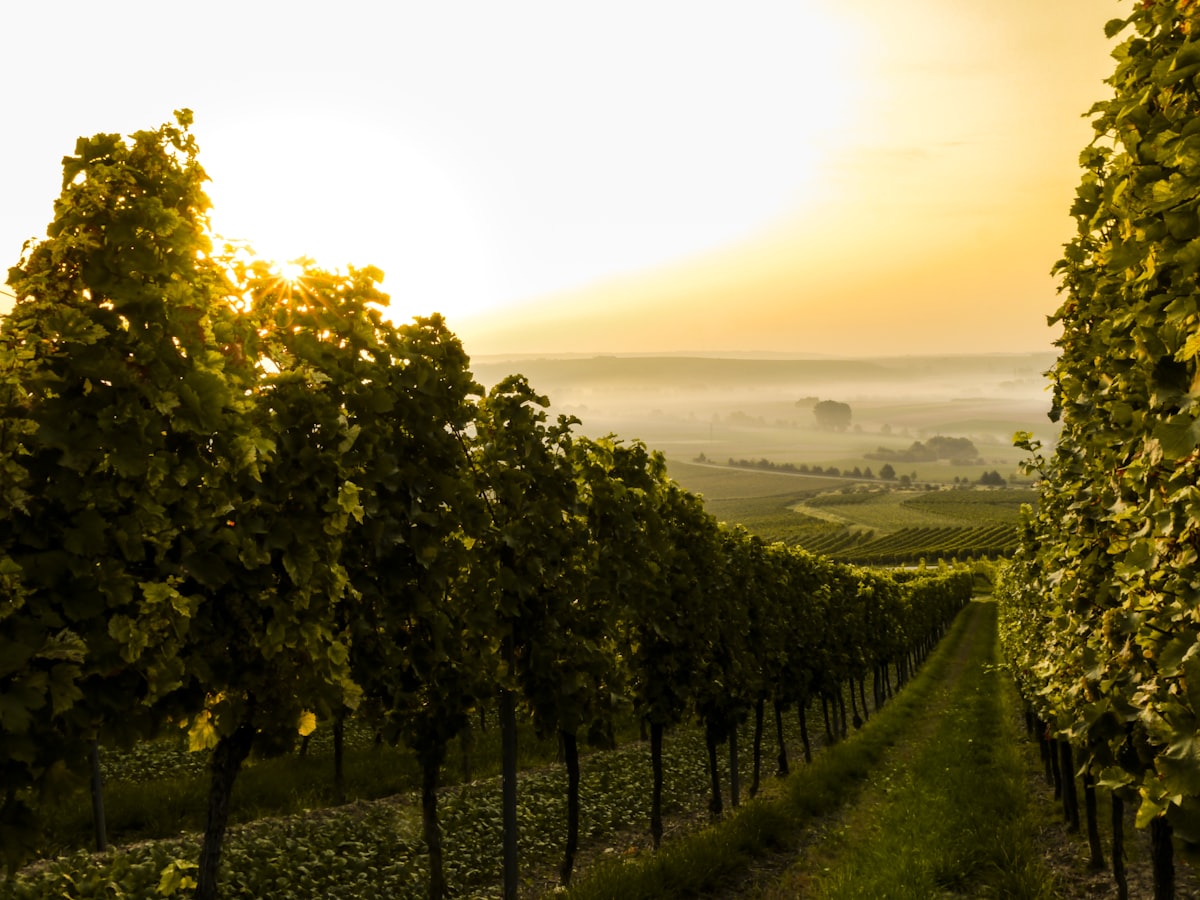
Napa Valley sits about an hour north of San Francisco in a narrow, 30-mile valley between the Mayacamas and Vaca mountain ranges. The valley floor stays warm enough for Cabernet to ripen fully, while afternoon breezes from San Pablo Bay cool things down and preserve acidity. The result is some of the most collected red wine on the planet, alongside world-class Chardonnay and Sauvignon Blanc.
With more than 400 wineries to choose from, planning a visit can feel overwhelming. This guide cuts through the noise and lists the best Napa Valley wineries by category, so you can build a tasting itinerary that fits your taste and budget. See the full Napa Valley wine guide for deep context on the region before you go.
The Best Wineries in Napa Valley
1. Robert Mondavi Winery
Robert Mondavi Winery in Oakville is arguably the winery that put Napa Valley on the global map. Mondavi opened in 1966 as the first major new winery built in Napa after Prohibition, and his relentless pursuit of quality set the standard for the valley. Today the estate produces a flagship Cabernet Sauvignon from the To Kalon Vineyard, one of the most storied vineyards in California. The tasting experiences range from casual tours to deep-dive reserve tastings. It is an essential stop for anyone who wants to understand Napa history.
2. Opus One
A joint venture between Robert Mondavi and Baron Philippe de Rothschild of Bordeaux’s Mouton Rothschild, Opus One produces a single Bordeaux-blend wine from 170 acres in Oakville. The gravity-flow winery, completed in 1991, is a stunning piece of architecture set into the hillside. Opus One consistently ranks among the top 10 most coveted Napa Cabernets. Reservations are required, and pricing reflects the prestige.
3. Stag’s Leap Wine Cellars
Stag’s Leap Wine Cellars in the Stags Leap District earned its place in wine history at the 1976 Paris Tasting, when its 1973 S.L.V. Cabernet Sauvignon beat Bordeaux’s best in a blind competition judged by French experts. The winery’s flagship wines, FAY and S.L.V., still demonstrate why this rocky sub-AVA near Yountville produces Cabernets with unusual finesse and silky tannins. The tasting room overlooks the vineyard where it all happened.
4. Caymus Vineyards
Caymus Vineyards in Rutherford has built one of the most recognizable wine brands in America without losing its family focus. Chuck Wagner started making wine here in 1972, and his Special Selection Cabernet has won Wine Spectator’s Wine of the Year twice. The style leans rich and approachable with generous fruit and soft tannins, which has made it a best-seller at restaurants nationwide. Wagner’s children now run companion wineries in Paso Robles and Monterey.
5. Chateau Montelena
Chateau Montelena in Calistoga has two claims to fame. Its 1973 Chardonnay won the white wine category at the 1976 Paris Tasting, a story immortalized in the film Bottle Shock. And the castle-like winery, built in 1882, sits on one of the most beautiful properties in the valley. Jade Lake, fed by underground springs, wraps around a Chinese pavilion on the estate grounds. The Cabernet Sauvignon here is powerful and age-worthy, and the Chardonnay remains a benchmark for California Chardonnay.
6. Far Niente
Far Niente in Oakville takes its name from an Italian phrase meaning “without a care,” and the experience lives up to it. The 1885 stone winery was restored in 1979 and is considered one of the architectural gems of the valley. Far Niente produces a Chardonnay and a Cabernet Sauvignon, both from Oakville fruit, along with Dolce, a late-harvest dessert wine made from botrytized Semillon and Sauvignon Blanc. Tastings are by appointment and include a cave tour beneath the winery.
7. Duckhorn Vineyards
Duckhorn Vineyards in St. Helena helped elevate Merlot in California long before the variety fell out of fashion, and today its Three Palms Vineyard Merlot from Calistoga is considered the finest example of the grape in the state. Duckhorn has expanded into Napa Cabernet, Howell Mountain Cabernet, and wines from its sister properties in Oregon and Washington. The tasting room on Lodi Lane is approachable, well-staffed, and a good choice for visitors who want quality without formality.
8. Cakebread Cellars
Cakebread Cellars in Rutherford has been family-run since Jack and Dolores Cakebread bonded the winery in 1973. The Chardonnay is the best-selling by volume and consistently ranks as one of the top restaurant Chardonnays in the country. The Cabernet Sauvignon, sourced from across Napa, offers strong value at its price point compared with many neighbors. Guided tour and tasting packages book weeks in advance during summer, so planning ahead is essential.
9. Rombauer Vineyards
Rombauer Vineyards in St. Helena produces one of the most talked-about Chardonnays in the country. The Carneros Chardonnay, made in a rich, buttery, full-malolactic style, became the defining California butter Chardonnay and built a loyal following among casual wine drinkers and collectors alike. The mountain winery sits high above the valley floor with panoramic views, and the tasting room hosts one of the friendliest staffs in Napa. Weekend visits are busy, so book midweek for a quieter experience.
10. PlumpJack Winery
PlumpJack Winery in Oakville is part of the Gavin Newsom-founded hospitality group and has become one of the better mid-range estates in the valley. The Oakville Cabernet Sauvignon consistently punches above its price, and the winery made news in 1997 when it released a portion of its Reserve Cabernet under screwcap alongside the cork-sealed version to study aging differences. The tasting room is unpretentious and accessible without an appointment on most days.
11. Silver Oak Cellars
Silver Oak Cellars produces Cabernet Sauvignon exclusively, from Napa Valley fruit at the Oakville estate and from Alexander Valley fruit at the Sonoma estate. The Napa Cabernet is aged for two years in American oak and two years in bottle before release, giving it a distinctive vanilla and cedar character. Silver Oak has one of the most recognizable labels in wine retail and remains one of the best-distributed premium Napa Cabernets you can find without visiting the valley.
12. Beringer Vineyards
Beringer Vineyards in St. Helena is the oldest continuously operating winery in Napa Valley, founded in 1876 and never shuttering even during Prohibition, when it sold wine for medicinal and sacramental use. The Victorian Rhine House tasting room is a landmark, and the private reserve tastings in the wine caves are among the most atmospheric experiences in the valley. Beringer’s Private Reserve Cabernet Sauvignon and Private Reserve Chardonnay have won more major national and international competitions than any other California wine.
13. Castello di Amorosa
Castello di Amorosa in Calistoga is the most dramatic property in the valley: a 121,000-square-foot authentic 13th-century-style Italian castle built by vintner Dario Sattui over 14 years. The castle features a great hall, torture chamber, moat, and 107 rooms spread across eight floors above and below ground. It is the most visited winery in Napa for a reason. Beyond the spectacle, the wines are genuinely good, with the Il Barone Cabernet Sauvignon as the flagship.
14. Shafer Vineyards
Shafer Vineyards in the Stags Leap District produces one of Napa’s most coveted cult Cabernets: Hillside Select. The wine spends 32 months in French oak and requires a mailing list for allocation. The Shafer One Point Five Cabernet offers a more accessible entry point to the estate’s fruit from Stags Leap District, Carneros, and Oak Knoll. Family-owned since John Shafer bought the property in 1972, the winery has stayed focused on quality over volume throughout its history.
15. Domaine Carneros
Domaine Carneros in the Los Carneros AVA is the top destination in Napa for sparkling wine. Founded by the Champagne house Taittinger, the estate chateau is modeled after a French chateau and overlooks rows of Pinot Noir and Chardonnay. The sparkling wines are made in the traditional methode champenoise and offer the best Champagne-style bubbles produced in California. Brut Rose and Blanc de Blancs by the glass on the terrace with vineyard views is one of the most enjoyable afternoon experiences in the valley. See the California Chardonnay guide for more on the grape that makes Carneros sparkling wines exceptional.
How to Plan Your Napa Valley Tasting Trip
Napa Valley stretches from the city of Napa in the south to Calistoga in the north, a distance of about 30 miles. Most visitors rent a car or hire a driver. Tasting fees have risen sharply in recent years, with most estate experiences running $50 to $150 per person, and some prestige tastings reaching $250 or more. Budget your day around three to four wineries maximum to avoid palate fatigue.
Reservations are now required or strongly recommended at most Napa wineries, especially on weekends from May through October. Book at least a week in advance for standard tastings and a month or more for limited tour experiences. The slow season from January through March offers shorter waits, lower prices on many tastings, and a more intimate experience at tasting rooms that attract massive crowds in summer.
Highway 29 runs through the heart of the valley and passes the majority of major estates. The Silverado Trail on the eastern side of the valley is less congested and passes through the Stags Leap District and Howell Mountain foothills. Combining both roads into a loop gives you access to different terroir within a single day.
Best AVAs for Wine Tasting in Napa Valley
Napa Valley contains 16 official sub-AVAs, each with distinct soil types, elevations, and microclimates. The Napa Valley hub covers all sub-regions in detail, but here is a quick breakdown for tasting trip planning.
Rutherford is the center of the valley with deep alluvial soils and the legendary Rutherford dust quality in its Cabernets. Oakville sits just south and is home to the To Kalon Vineyard and some of the valley’s most prestigious estates. The Stags Leap District in the southeastern valley produces Cabernet with more finesse and lower tannins than the valley floor average. Calistoga at the northern end of the valley runs the hottest and produces the biggest, most extracted Cabernets alongside some excellent sparkling wines from higher elevations. Carneros in the south, cooled by bay breezes, is Napa’s best AVA for Chardonnay and Pinot Noir.
Frequently Asked Questions
What is the best winery to visit in Napa Valley for first-timers?
Robert Mondavi Winery in Oakville is the best first stop in Napa Valley. It offers guided tours covering the history of California wine, well-staffed tasting rooms, and wines at multiple price points. The property is beautiful and the experience is welcoming to visitors who are new to the region. Beringer Vineyards in St. Helena is a close second for its historic Rhine House tasting room and accessible pricing.
How much does it cost to visit Napa Valley wineries?
Standard tasting fees at Napa Valley wineries typically run $35 to $75 per person. Tour and tasting packages at prestige estates such as Opus One, Far Niente, and Stag’s Leap Wine Cellars range from $100 to $250 per person. Some wineries offer complimentary tastings when you purchase wine, which can offset costs for visitors planning to buy a few bottles. Budget $100 to $200 per person for a typical day including two to three tastings.
Do you need reservations at Napa Valley wineries?
Yes, reservations are required or strongly recommended at most Napa Valley wineries, particularly on weekends from April through November. Some popular wineries such as Opus One and Far Niente require advance reservations year-round. A few smaller producers and tasting rooms along Highway 29 still accept walk-ins on weekdays, but the best estates book up weeks in advance. Always check the winery website before visiting.
What is the best time of year to visit Napa Valley wineries?
The best time to visit Napa Valley wineries is March through May and October through November. Spring offers green vineyards, wildflowers, and lighter crowds. Harvest season in September and October is the most atmospheric, with active harvesting, crush activity, and fall foliage, but also the busiest tourist season. Winter from December through February brings sparse crowds, frequent wine club sales, and intimate tasting room experiences, though some estates have limited hours.
What wine is Napa Valley most famous for?
Napa Valley is most famous for Cabernet Sauvignon, which produces the region’s most collected and highly rated wines. Napa Cabernet gained international recognition at the 1976 Paris Tasting, when California wines outscored French wines in a blind competition. Beyond Cabernet, Napa is also recognized for Chardonnay, Merlot, Sauvignon Blanc, and Cabernet Franc. The California Cabernet Sauvignon guide covers the full varietal picture.
How many wineries are in Napa Valley?
Napa Valley has more than 400 licensed wineries across its 16 official American Viticultural Areas. Not all of them have public tasting rooms, but the majority do. The Napa Valley Vintners association lists over 500 member wineries and grower members. Napa County as a whole contains more than 700 bonded wineries when including facilities that do not operate public-facing tasting rooms.
Can you visit Napa Valley wineries without a car?
Yes, but it requires planning. Napa Valley offers the Vine Trail, a cycling and walking path that connects several communities in the valley. Wine tram tours depart from downtown Napa and stop at multiple wineries. Private car services, Uber, and Lyft are available throughout the valley. The VINE bus system connects Napa to Calistoga along Highway 29, stopping near several wineries. For the most flexibility and access to estate wineries set back from the main road, a rental car or hired driver is the practical choice.