By The Popular Wines Tasting Team. Last updated June 2026.
Why California Cabernet matters
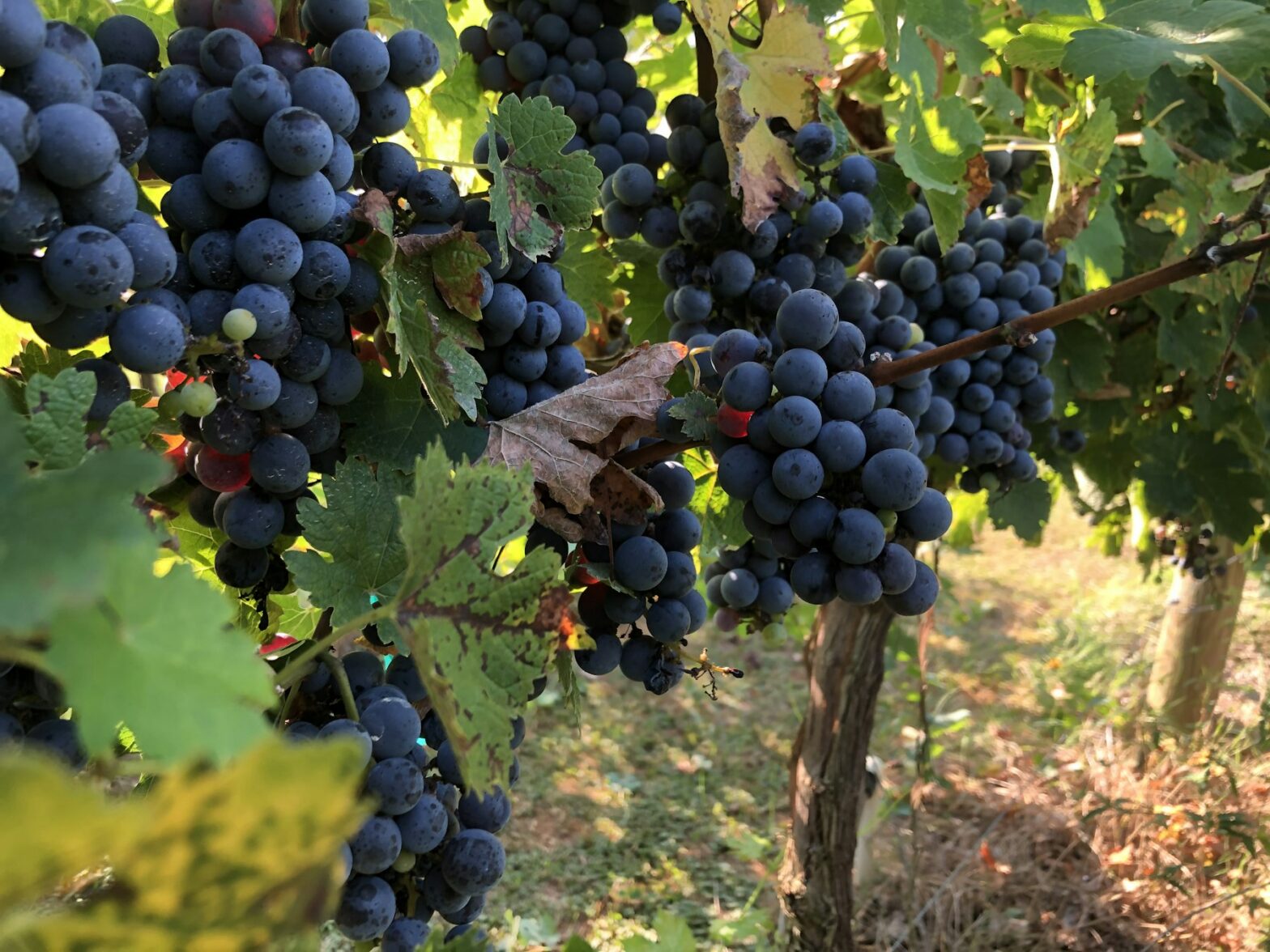
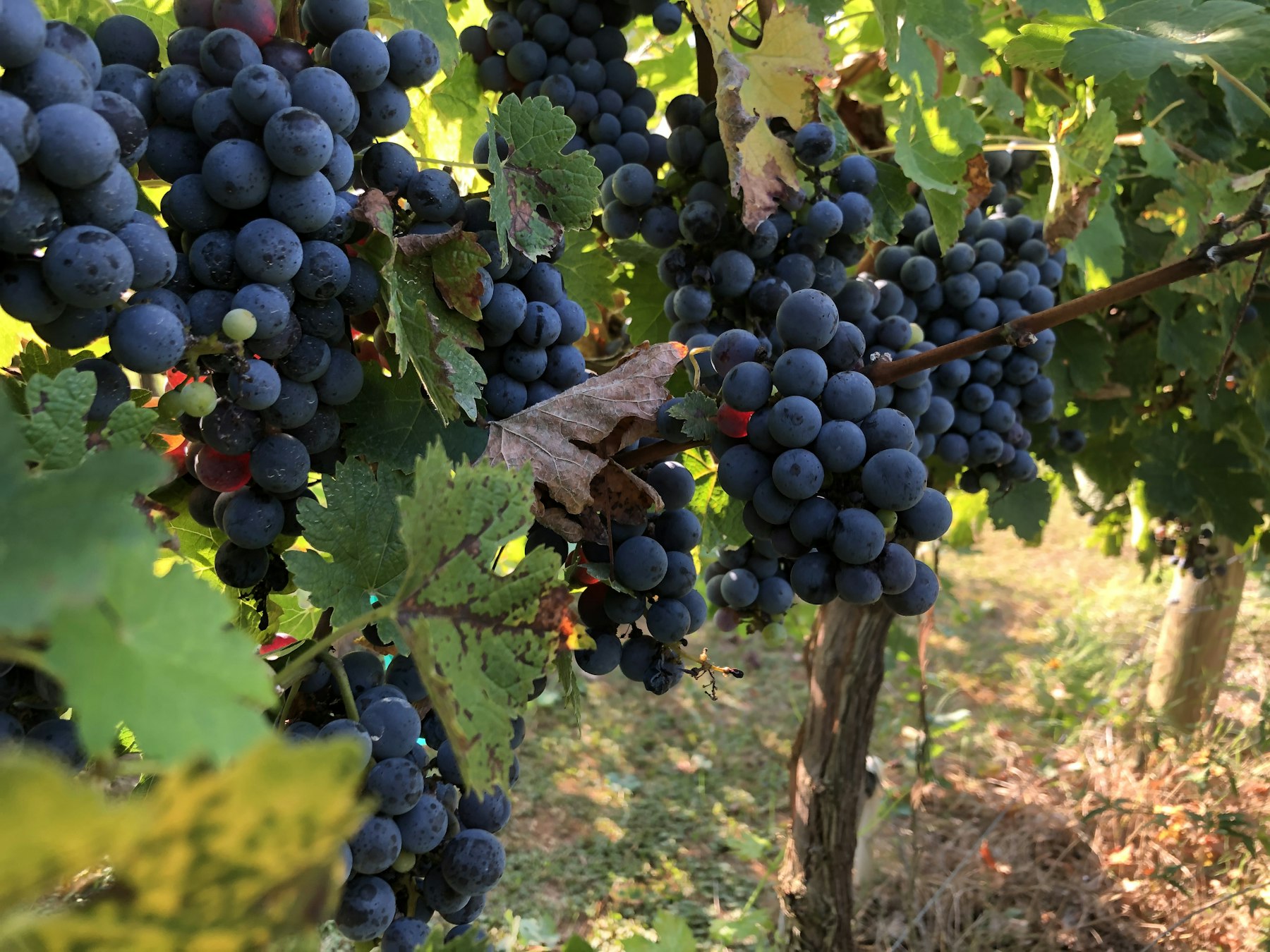
No grape is more tied to California’s reputation than Cabernet Sauvignon. It thrives in the state’s warm, sunny days and cool nights, ripening fully while keeping the firm tannins and dark fruit that define the variety. The turning point came on a single afternoon in Paris. At the 1976 blind tasting now known as the Judgment of Paris, a 1973 Stag’s Leap Wine Cellars Cabernet, made by Warren Winiarski in Napa, beat the first growths of Bordeaux in front of French judges. Overnight, California went from curiosity to serious competition.
What followed was a long climb in ambition and price. Robert Mondavi had already built the valley’s first major modern winery at Oakville in 1966. In 1979, his partnership with Baron Philippe de Rothschild produced Opus One and set the template for the luxury California Cabernet. By the 1990s, tiny-production cult wines like Screaming Eagle and Harlan Estate were selling out by mailing list at prices that rivaled the great names of France. Cabernet is now both California’s most prestigious red and, in everyday form, its most reliable one.
Where California Cabernet grows
Cabernet is planted across California, but the style changes sharply with the climate. Cooler, hillier sites give structure and freshness; warmer valleys give ripe, generous fruit. These are the regions that matter most.
| Region | Style | Known for |
|---|---|---|
| Napa Valley | Powerful, structured, age-worthy | The benchmark, from Oakville, Rutherford, and the mountains |
| Alexander Valley (Sonoma) | Rich, supple, approachable | Napa-style quality at a friendlier price |
| Paso Robles | Bold, ripe, fruit-forward | Warm Central Coast power |
| Sierra Foothills | Rustic, robust | High-elevation, old-school reds |
| Lake County | Bright, firm, good value | High-elevation sites north of Napa |
| Central Valley and Lodi | Soft, fruity, everyday | The value and volume of California Cabernet |
Napa Valley is the undisputed heart, and within it the warm valley-floor benches of Oakville and Rutherford set the standard, home to names like Robert Mondavi, Caymus, and Silver Oak, while the mountains of Howell Mountain and Mount Veeder give darker, firmer wines built for the long haul. Just over the county line, Sonoma’s Alexander Valley turns out rich, supple Cabernet from producers like Jordan and Silver Oak at gentler prices. On the warm Central Coast, Paso Robles pushes a bolder, riper style led by houses such as Daou and Justin. Further inland and north, the Sierra Foothills, Lake County, and Lodi supply the rustic, everyday, and value end of the spectrum that fills most American wine racks.
What California Cabernet tastes like
The classic profile is blackcurrant and blackberry layered with cedar, vanilla, and cocoa from oak aging, carried on firm but ripe tannins. Where the grapes grow shapes everything else. Valley-floor Napa Cabernet tends to be plush, polished, and generous. Mountain Cabernet is darker, more tannic, and built for a decade or two in the cellar. Warm regions like Paso Robles push the fruit riper and the texture softer, giving wines you can enjoy younger. Almost all of it rewards a little age, and the best examples can develop for decades, trading primary fruit for notes of tobacco, leather, and dried herb.
How California Cabernet is made and served
Cabernet is rarely bottled completely alone. Following the Bordeaux tradition, winemakers often blend in small amounts of Merlot, Cabernet Franc, and Petit Verdot to round out the texture and add perfume, and a wine can still be labeled Cabernet Sauvignon as long as it is at least three-quarters that grape. Most quality bottlings are aged in French oak barrels, which is where the vanilla, cedar, and baking-spice notes come from.
To get the most from a bottle, serve it slightly below room temperature, around 60 to 65 degrees, which keeps the structure crisp rather than soft and alcoholic. Young, tannic Cabernet benefits from 30 to 60 minutes in a decanter to soften and open up, and a large, wide-bowled glass helps the aromas express. If you are cellaring, store bottles on their side in a cool, dark, stable spot; quality California Cabernet typically drinks well for 10 to 20 years, and the top wines longer.
California Cabernet versus Bordeaux
The two great homes of Cabernet make very different wines from the same grape. California’s warmer, sunnier climate gives riper fruit, fuller body, higher alcohol, and softer, more approachable tannins, the generous style that won over the world. Bordeaux, cooler and more maritime, tends toward restraint, earthiness, higher acidity, and firmer structure that often needs more time. Neither is better; they are two accents of the same language. California’s openhanded, fruit-forward voice is simply the one most new drinkers fall for first.
How to choose a California Cabernet
Decide how much structure you want and how much you want to spend, then match the region to the style. Here is a simple way to think about it.
Napa Valley Cabernet
The benchmark experience. Houses like Robert Mondavi, Caymus, and Silver Oak deliver the plush, polished Cabernet that made California famous.
Mountain or Paso Cabernet
For more grip and character, climb the hills with a Howell Mountain or Mount Veeder bottling, or go bold with Paso Robles from Daou or Justin.
Alexander Valley and Lake County
Alexander Valley Cabernet offers Napa-like richness for less, while Lake County and Lodi deliver honest, everyday Cabernet at friendly prices.
What to eat with California Cabernet
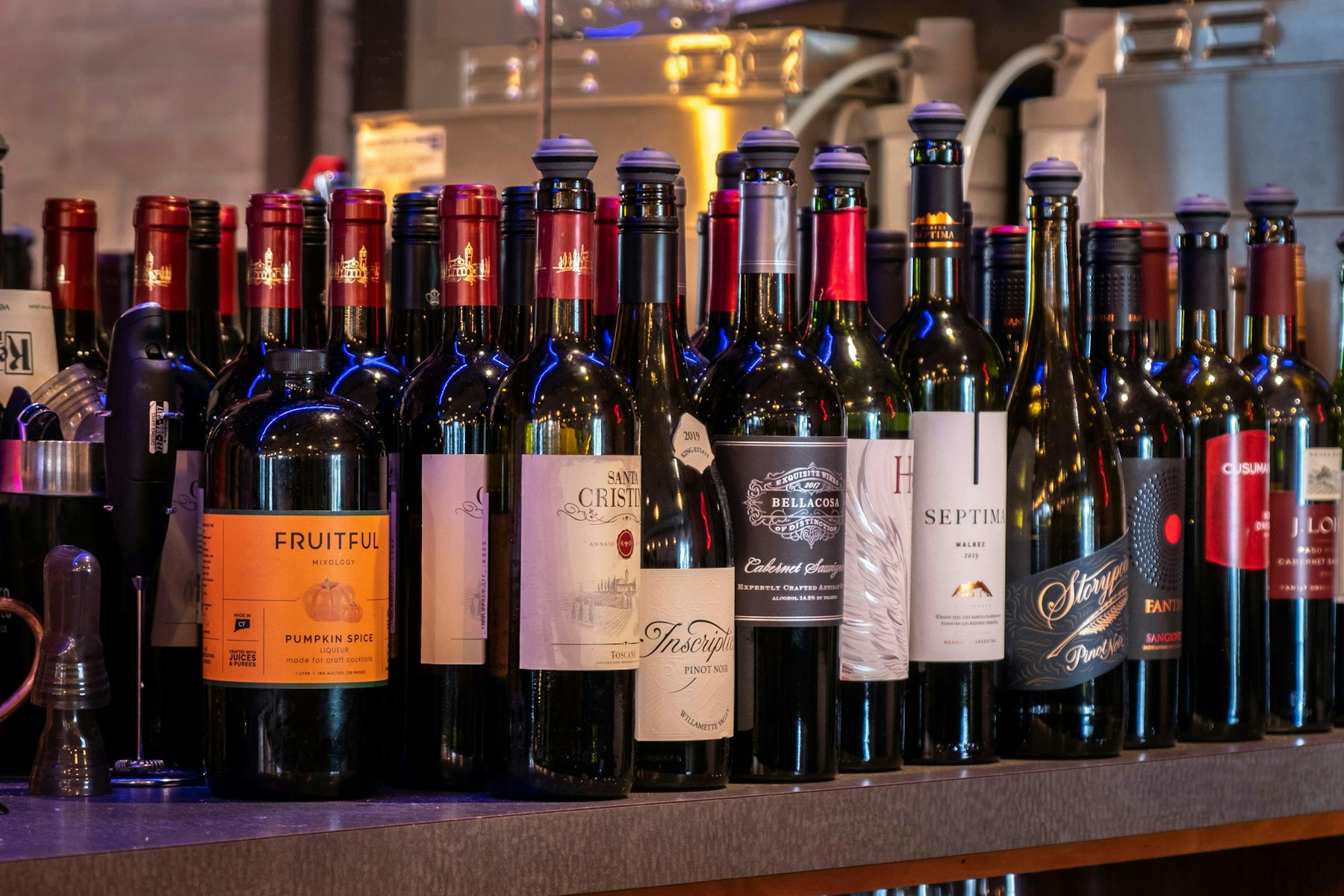
Cabernet’s firm tannin is made for rich, fatty protein. The classic match is a well-marbled ribeye or New York strip, where the fat softens the tannin and the wine cuts the richness. Rack of lamb, braised short ribs, a good burger, and aged hard cheeses like cheddar and gouda all work beautifully, as do mushroom and pepper sauces that echo the wine’s savory side. Avoid delicate fish and light, acidic dishes, which the wine will overwhelm. For more pairings, try our wine pairing generator, and see the bigger picture in our California red wine guide.
Frequently asked questions
What is California Cabernet Sauvignon known for?
Where is the best California Cabernet from?
What does California Cabernet taste like?
How long does California Cabernet age?
What food pairs with California Cabernet?
Why is Napa Cabernet so expensive?
What is the difference between California and Bordeaux Cabernet?
Featured guide: California Red Wine: the grapes, regions, and bottles worth opening, from Napa Cabernet to old-vine Zinfandel.