
By The Popular Wines Tasting Team. Last updated June 2026.
Why Chardonnay rules California whites
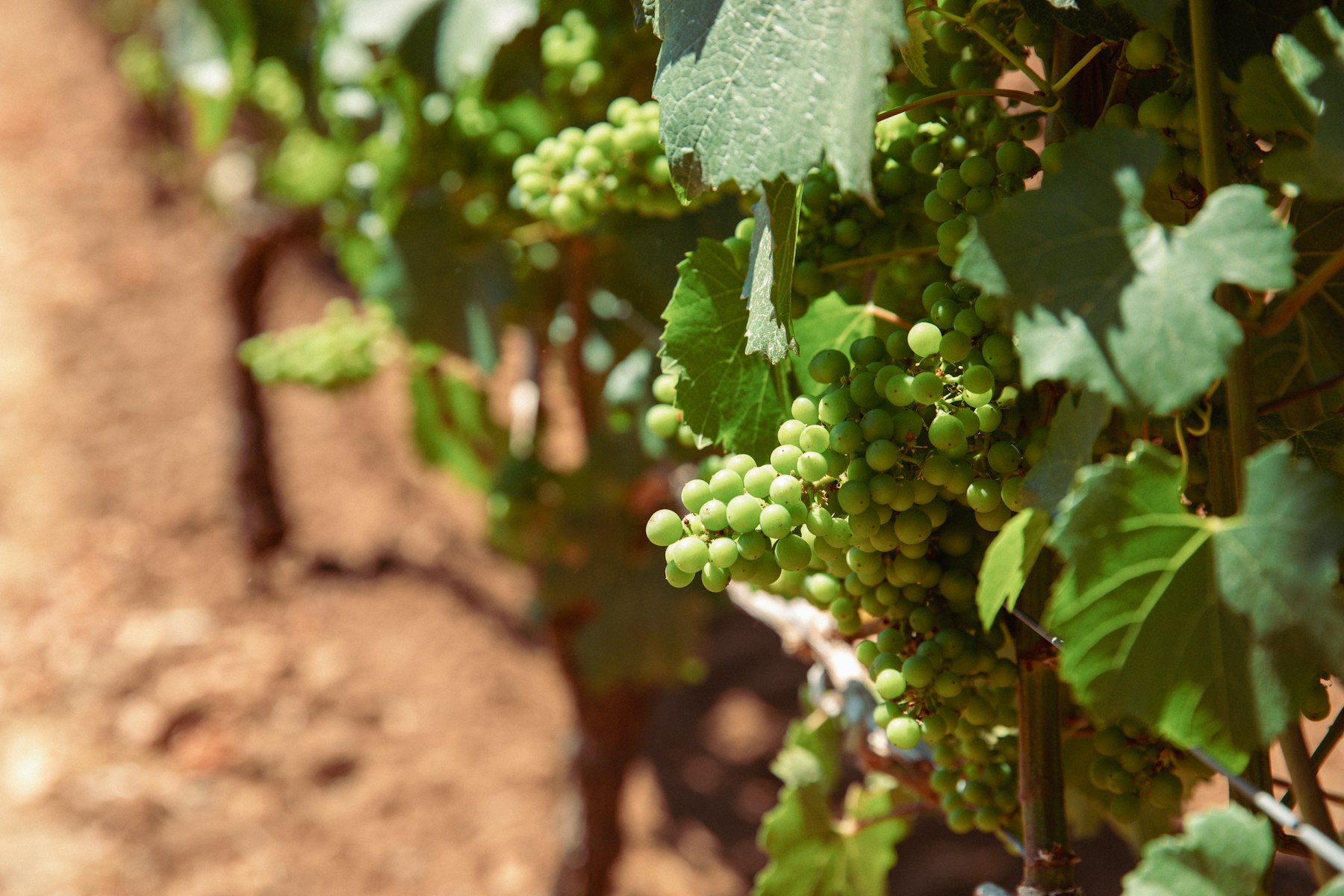
Chardonnay is a winemaker’s grape. On its own it is fairly neutral, which is exactly why it is so versatile: it takes the stamp of where it grows and how it is made more than almost any other variety. California growers found that its broad, ripe fruit suited the state’s sunshine perfectly, and it became the most planted white in California and the backbone of countless brands. Its credibility was sealed in 1976, when a 1973 Chateau Montelena Chardonnay from Napa beat the great white Burgundies at the Judgment of Paris, the same tasting that announced California Cabernet to the world.
Where California Chardonnay grows
Chardonnay is planted nearly everywhere in California, but the cool coastal regions make the most distinctive wines. Climate decides whether a bottle leans crisp and citrusy or ripe and tropical.
| Region | Style | Known for |
|---|---|---|
| Russian River Valley (Sonoma) | Balanced, layered | The benchmark, fruit plus freshness |
| Carneros (Sonoma and Napa) | Crisp, bright | Cool bay influence, also sparkling |
| Santa Maria Valley (Santa Barbara) | Rich yet racy | Long season, age-worthy whites |
| Monterey | Citrusy, high-acid | Cool, windy coast |
| SLO Coast and Edna Valley | Lean, mineral | Among the coolest sites in California |
| Central Coast and Central Valley | Ripe, soft, everyday | The value and volume of California Chardonnay |
Sonoma’s Russian River Valley and Carneros set the standard for balance, while Napa Carneros and the warmer valley floor give richer styles. On the Central Coast, the Santa Maria Valley turns out some of California’s most age-worthy Chardonnay, and the cool SLO Coast and Edna Valley deliver the leanest, most mineral expressions. Monterey supplies bright, citrusy wines, and the broad Central Coast and Central Valley provide the easygoing, affordable bottles that fill most fridges.
Two styles: rich versus lean
More than any other wine, Chardonnay splits drinkers into two camps. The rich, golden style is full-bodied and creamy, with vanilla, butter, and toasted-oak notes, the wine that defined California Chardonnay for decades. In the 2000s a backlash, sometimes called the ABC movement for Anything But Chardonnay, pushed many wineries toward a leaner, unoaked, more mineral style fermented in steel. Today the best producers land in the middle, using oak with restraint to frame rather than smother the fruit. Knowing which camp a bottle falls into is the single most useful thing when choosing one.
How California Chardonnay is made
Two winemaking choices shape the style in the glass. The first is the vessel: aging in oak barrels, especially new oak, adds vanilla, spice, and a rounder texture, while stainless steel keeps the wine crisp and fruit-focused. The second is malolactic fermentation, a natural process that converts sharp malic acid into softer lactic acid and creates the buttery, creamy character many people associate with the grape. Stirring the spent yeast, or lees, adds further richness and a subtle bready note. A crisp, mineral Chardonnay skips most of this; a rich, buttery one embraces all of it.
How to choose a California Chardonnay
Decide which style you want first, then pick a tier. The label and price usually hint at the style: cooler regions and lower oak lean crisp, warmer regions and barrel aging lean rich.
Barrel-aged Sonoma or Napa
The rich, crowd-pleasing style. Houses like Kistler, Rombauer, and Far Niente deliver the golden, creamy, oak-framed Chardonnay California is known for.
Cool-coast and lower-oak
For freshness and minerality, chase a Santa Maria or SLO Coast bottling, or a restrained, Burgundian style from a producer like Sandhi or Hanzell.
Monterey and Central Coast
Monterey, Central Coast, and broad California bottlings deliver ripe, easy, food-friendly Chardonnay at everyday prices.
What to eat with California Chardonnay, and how to serve it
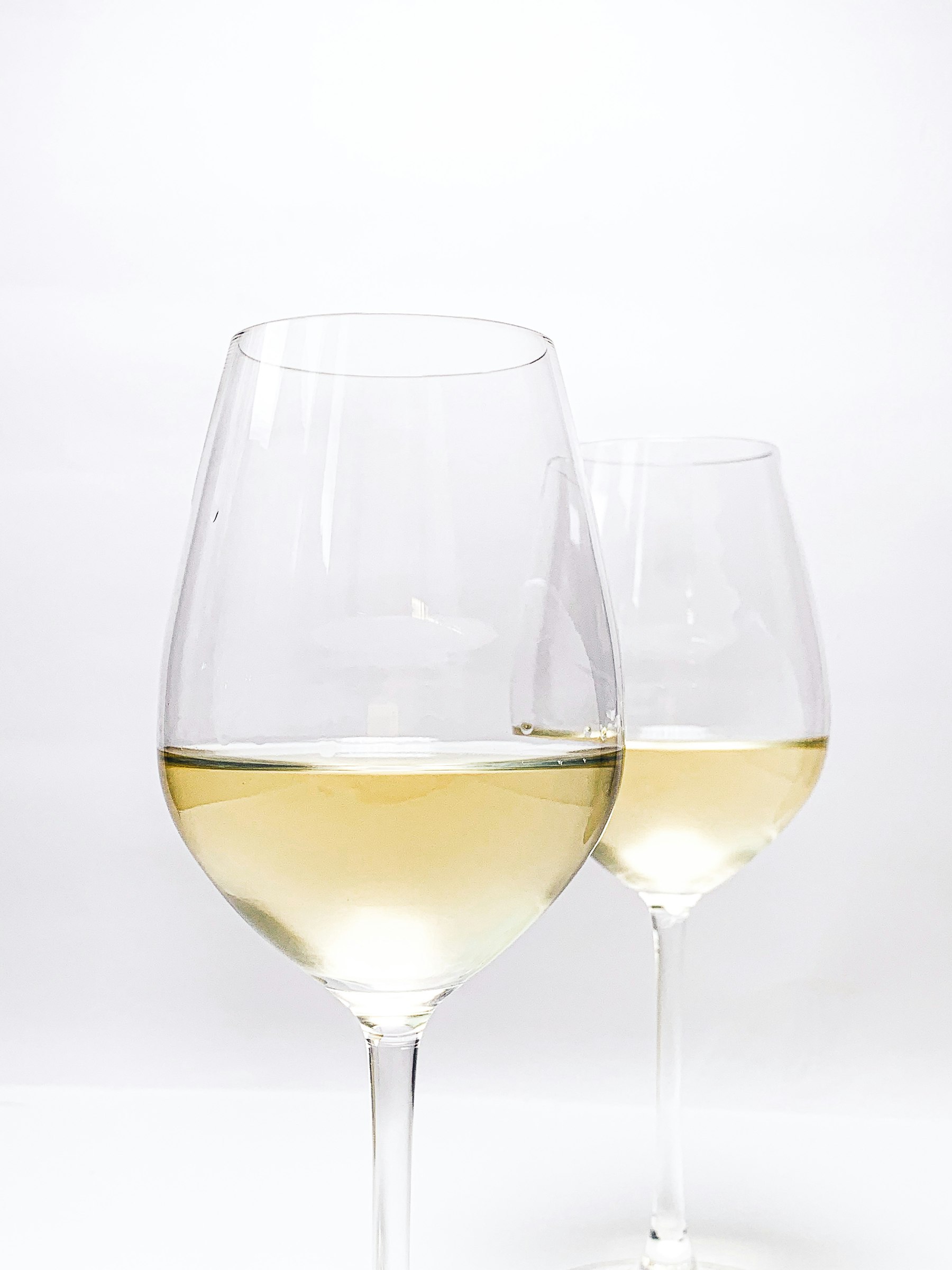
Chardonnay’s body makes it one of the most food-friendly whites. Rich, oaked styles are made for roast chicken, lobster and crab with butter, creamy pastas, and the Thanksgiving turkey. Lean, crisp styles shine with oysters, sushi, grilled fish, and fresh salads. Serve it chilled but not ice cold, around 48 to 55 degrees, with the richer styles a touch warmer so the texture and aromas open up. For more matches, try our wine pairing generator.
Frequently asked questions
What is California Chardonnay known for?
Is California Chardonnay sweet?
What is the difference between oaked and unoaked Chardonnay?
Where is the best California Chardonnay from?
What food pairs with California Chardonnay?
How should you serve California Chardonnay?
Why did people start avoiding Chardonnay?
Featured guide: California Red Wine: the grapes, regions, and bottles worth opening, from Napa Cabernet to old-vine Zinfandel.