By The Popular Wines Tasting Team. Last updated June 2026.
What Sauvignon Blanc tastes like
Sauvignon Blanc is one of the easiest wines to recognize because it leads with aroma. Pour a glass and the first thing you notice is lift: bright citrus, something green and herbal, and often a burst of tropical fruit. That character is not an accident. Researchers have traced most of the grape’s personality to two families of aroma compounds. Methoxypyrazines give the green notes, the cut grass, gooseberry, green bell pepper, and garden herbs. Volatile thiols give the other half, the grapefruit, passionfruit, and blackcurrant that make New Zealand examples so distinctive.
The balance between those two sides depends mostly on climate. In cool places the grassy, citrus, mineral character dominates and the wine feels lean and racy. In warmer places the fruit ripens further, so you get rounder tropical flavors and a slightly softer feel. What almost never changes is the acidity. Sauvignon Blanc keeps its bright, mouthwatering edge wherever it grows, which is exactly why it tastes so refreshing and why it works so well at the table. If you are new to the style, our guide to wine for beginners is a good companion.
Is Sauvignon Blanc sweet or dry?
Sauvignon Blanc is a dry wine. In nearly every bottle, the grapes are fermented until almost no sugar is left, and the variety’s naturally high acidity makes it taste even crisper and tarter than the numbers suggest. People sometimes read its ripe, fruity aromas as sweetness, but aroma is not sugar. A wine can smell like passionfruit and still finish bone dry, and Sauvignon Blanc usually does.
There is one famous exception. In Sauternes, the celebrated dessert region of Bordeaux, Sauvignon Blanc is blended with Semillon and the grapes are concentrated by noble rot to make a rich, honeyed, genuinely sweet wine. That is a world away from a glass of Sancerre. If you want to understand where any wine falls, see our dry versus sweet wine explainer and the wine sweetness scale.
Sauvignon Blanc vs Pinot Grigio
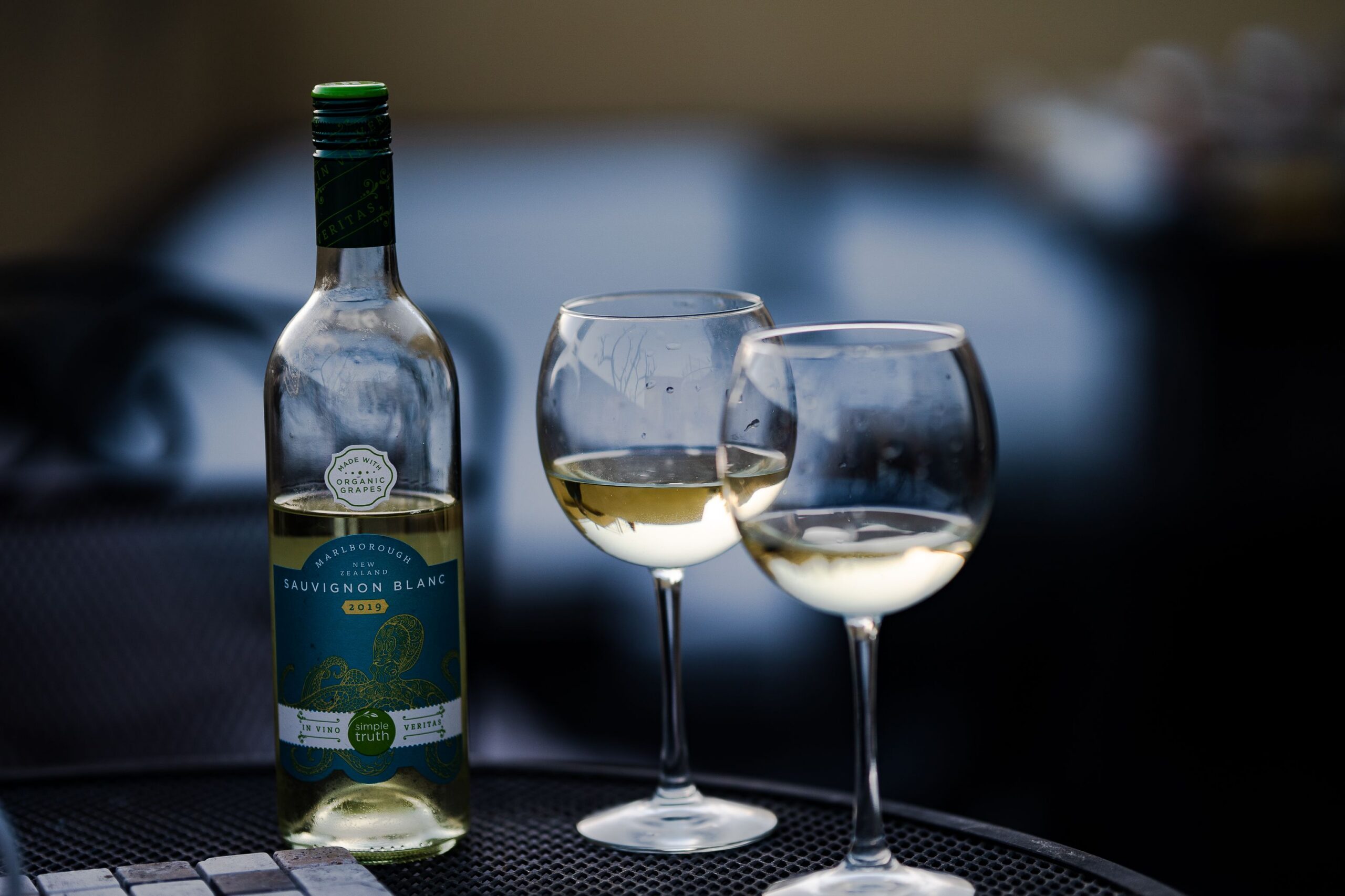
These are the two go-to crisp whites for most drinkers, and they are easy to mix up on a wine list. Both are dry, both are light on their feet, and both are best served cold. The difference is volume. Sauvignon Blanc is aromatic and expressive, full of herbs, citrus, and green energy with zingy acidity. Pinot Grigio is quieter and more neutral, leaning on subtle lemon, pear, and green apple. Reach for Sauvignon Blanc when you want a wine with something to say, and Pinot Grigio when you want something clean and easygoing in the background.
| Sauvignon Blanc | Pinot Grigio | |
|---|---|---|
| Style | Aromatic, zesty, herbaceous | Light, crisp, neutral |
| Body | Light to medium | Light |
| Signature flavors | Citrus, grass, gooseberry, passionfruit | Lemon, pear, green apple |
| Acidity | High | Medium to high |
| Oak | Usually none, sometimes barrel (Fume Blanc) | Almost never |
| Classic regions | Loire, Marlborough, Bordeaux | Northern Italy |
| Reach for it when | You want a loud, refreshing white | You want an easy, clean white |
Where the best Sauvignon Blanc comes from
Sauvignon Blanc is grown all over the world, but a handful of regions define what it can be.
The Loire Valley, France. This is the spiritual home of the grape. In Sancerre and Pouilly-Fume, on the eastern end of the Loire, Sauvignon Blanc grows on soils rich in flint and limestone clay. The result is taut, mineral, citrus-driven wine with a smoky, gunflint edge, especially in Pouilly-Fume. These are restrained, food-friendly bottles that age better than most people expect.
Marlborough, New Zealand. The region that changed the grape’s global reputation. Montana planted the first commercial vines in Marlborough in 1973, and after Cloudy Bay launched in 1985 the world took notice. New Zealand Sauvignon Blanc is unmistakable: explosive passionfruit, grapefruit, and fresh-cut grass with searing acidity. It is the benchmark for the punchy, fruit-forward style.
Bordeaux, France. In Bordeaux the grape wears two hats. Blended with Semillon and a little Muscadelle, it makes crisp everyday whites and serious, oak-aged, age-worthy bottles in Pessac-Leognan and Graves. The same grape, concentrated by noble rot, also goes into the sweet wines of Sauternes.
California and beyond. California makes everything from crisp, citrusy versions to the richer, oak-aged Fume Blanc style. Chile (Casablanca and Leyda) and South Africa both make excellent, well-priced bottles with a cool-climate snap. For more on California whites, see our guide to California Chardonnay and the broader types of white wine.
What is Fume Blanc?
Fume Blanc and Sauvignon Blanc are the same grape. The name was invented in 1968 by Robert Mondavi, who took Sauvignon Blanc fruit from the famous To Kalon vineyard in Napa Valley and aged it in oak barrels to tame the grape’s aggressive, grassy edge. He borrowed the word fume from the French region Pouilly-Fume and used it to signal a more serious, rounder style. The idea caught on. Other producers, notably Dry Creek Vineyard, adopted the name, and Fume Blanc became a recognized American white.
In practice, if you see Fume Blanc on a label today, expect a richer Sauvignon Blanc with some barrel influence and a creamier texture. If you see Sauvignon Blanc, it is more likely to be crisp and unoaked. The terms are not strictly regulated, so it is always worth reading the back label.
How to serve Sauvignon Blanc
Serve it cold, around 45 to 50 degrees Fahrenheit. That is about two hours in the refrigerator or 30 minutes in an ice-water bath. Cold keeps the acidity crisp and the aromatics lifted, which is the whole point of the wine. If a bottle gets too warm it can taste flabby and the alcohol starts to show. Use a standard white wine glass, pour modest amounts so each glass stays cold, and keep the bottle in an ice bucket or the fridge between pours.
Most Sauvignon Blanc is made to drink young, within one to three years of the vintage, when its fresh fruit is at its peak. The exceptions are top oak-aged white Bordeaux and the best Loire wines, which can develop beautifully for a decade or more.
How to choose a bottle
Once you know the main styles, picking a bottle for the occasion gets easy. Here is a simple way to think about it by budget and mood.
New Zealand Marlborough
The reliable crowd-pleaser. Punchy passionfruit and grapefruit, bright acidity, easy to find. Look for names like Kim Crawford, Oyster Bay, and Whitehaven, with Cloudy Bay as the step-up benchmark.
Sancerre and Pouilly-Fume
Loire Valley classics for the table. Flinty, mineral, and citrus-driven rather than tropical. Henri Bourgeois, Pascal Jolivet, and de Ladoucette are dependable producers to start with.
White Bordeaux and benchmark Loire
Oak-aged, age-worthy whites from Pessac-Leognan such as Domaine de Chevalier and Smith Haut Lafitte, or a top Pouilly-Fume from Didier Dagueneau. These reward patience and a real meal.
Sauvignon Blanc food pairing
Few wines are as flexible at the table. The combination of high acidity, citrus, and herbal character makes Sauvignon Blanc a natural with fresh, bright, green food. The acidity acts like a squeeze of lemon, cutting through richness and lifting delicate flavors.
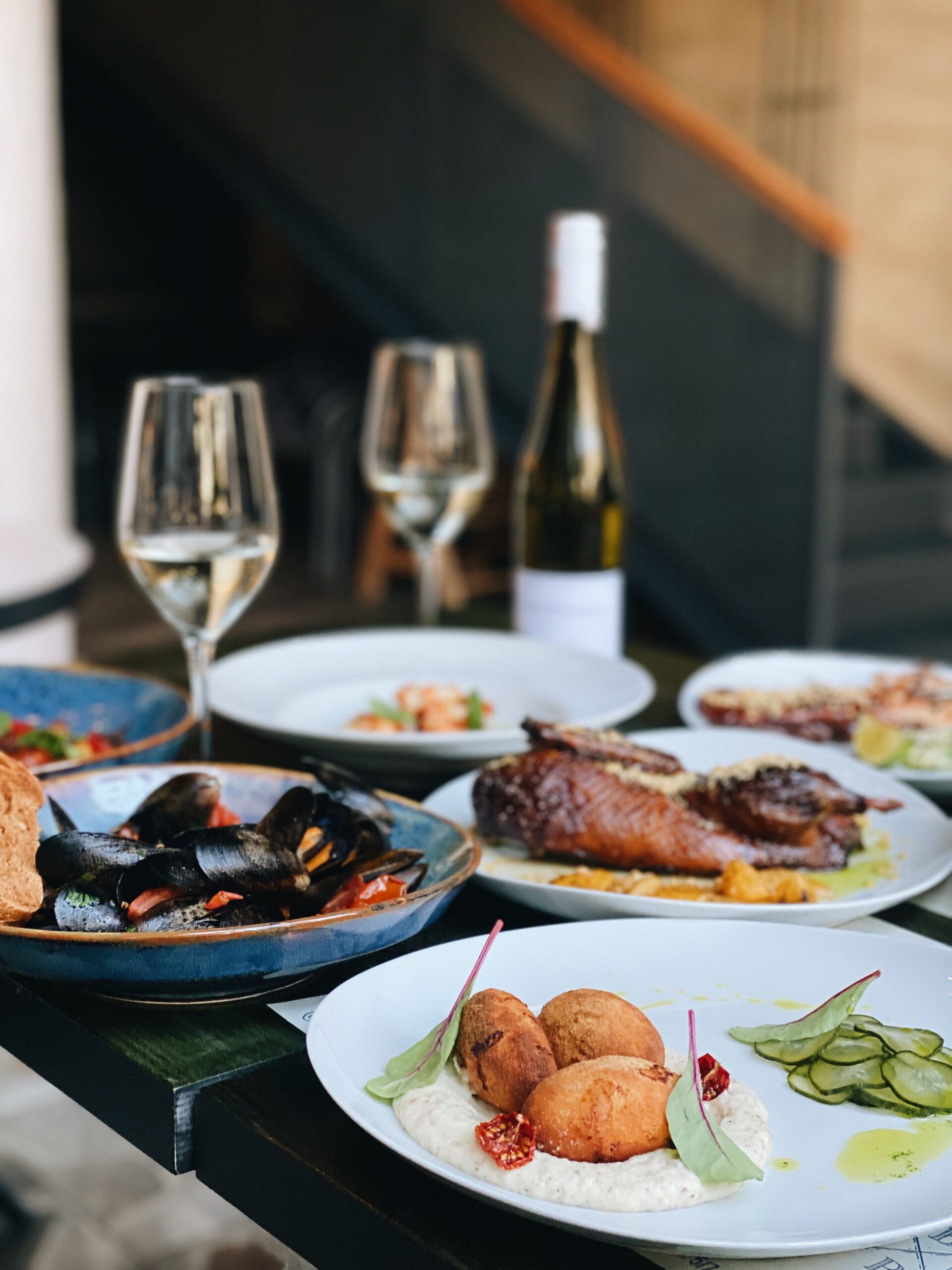
The standout match is goat cheese. The Loire tradition of Sancerre with Crottin de Chavignol is a classic, because the wine’s acidity and the cheese’s tang meet perfectly. From there, think oysters and shellfish, ceviche and sushi, green vegetables like asparagus, peas, and zucchini, fresh herbs, and salads dressed with a sharp vinaigrette. Grilled white fish, light chicken, and Thai or Vietnamese dishes with herbs and lime all work too. The simple rule is to match green with green and acid with acid. For more ideas, use our wine pairing generator, or read up on what wine goes with seafood and wine and cheese pairing.
Frequently asked questions
Is Sauvignon Blanc sweet or dry?
Almost all Sauvignon Blanc is dry. The grape is fermented until little or no sugar remains, and its naturally high acidity makes it taste crisp and tart rather than sweet. The main exception is Sauternes, the famous dessert wine of Bordeaux, where Sauvignon Blanc is blended with Semillon and the grapes are affected by noble rot to make a rich, sweet wine. A handful of off-dry styles exist, but if a label just says Sauvignon Blanc, expect a dry wine.
What does Sauvignon Blanc taste like?
Sauvignon Blanc is aromatic and high in acid, with two signature sides. The green side brings fresh-cut grass, gooseberry, green bell pepper, and herbs, which come from compounds called methoxypyrazines. The fruity side brings grapefruit, lime, passionfruit, and blackcurrant, driven by aroma compounds called thiols. Cooler regions push the grassy, citrus character, while warmer regions show riper tropical fruit.
What is the difference between Sauvignon Blanc and Pinot Grigio?
Both are dry white wines, but Sauvignon Blanc is louder. It is aromatic and herbaceous with zingy, mouthwatering acidity, while Pinot Grigio is lighter, quieter, and more neutral, leaning on lemon, pear, and green apple. If you want a wine that jumps out of the glass, reach for Sauvignon Blanc. If you want something easy and unobtrusive, Pinot Grigio is the safer pour.
Is Sauvignon Blanc the same as Fume Blanc?
Yes. Fume Blanc is simply another name for Sauvignon Blanc, coined by Robert Mondavi in 1968 for a barrel-aged style he made in Napa Valley. The name nods to the French appellation Pouilly-Fume. Today a bottle labeled Fume Blanc is usually a richer, oak-influenced Sauvignon Blanc, while one labeled Sauvignon Blanc is more often crisp and unoaked, though the labels are not strictly regulated.
What temperature should I serve Sauvignon Blanc?
Serve it cold, around 45 to 50 degrees Fahrenheit. That is roughly two hours in the refrigerator or about 30 minutes in an ice-water bath. Cold temperatures keep the acidity bright and the aromatics fresh. Richer, oak-aged styles such as white Bordeaux can be served a few degrees warmer to show their texture.
What foods pair with Sauvignon Blanc?
Its high acidity and herbal, citrus character make it a natural with goat cheese, oysters and shellfish, ceviche and sushi, green vegetables like asparagus and peas, fresh herbs, and salads with a tangy vinaigrette. The Loire pairing of Sancerre with Crottin de Chavignol goat cheese is a classic for a reason. A simple rule is to match green with green and acid with acid.
Where does the best Sauvignon Blanc come from?
The grape has several great homes. The Loire Valley in France, especially Sancerre and Pouilly-Fume, makes flinty, mineral-driven versions. New Zealand, led by Marlborough, makes punchy, tropical examples that put the variety on the world stage. Bordeaux makes both crisp dry whites and the sweet wines of Sauternes. California, Chile, and South Africa all make excellent bottles too.
Should Sauvignon Blanc be aged?
Most Sauvignon Blanc is built to drink young, ideally within one to three years of the vintage, when its fresh fruit and acidity are at their best. The exceptions are serious oak-aged styles, particularly white Bordeaux from Pessac-Leognan and top Loire wines, which can develop and improve for a decade or more.
Featured guide: California Red Wine: the grapes, regions, and bottles worth opening, from Napa Cabernet to old-vine Zinfandel.