
By The Popular Wines Tasting Team. Last updated June 2026.
What Pinot Grigio actually tastes like
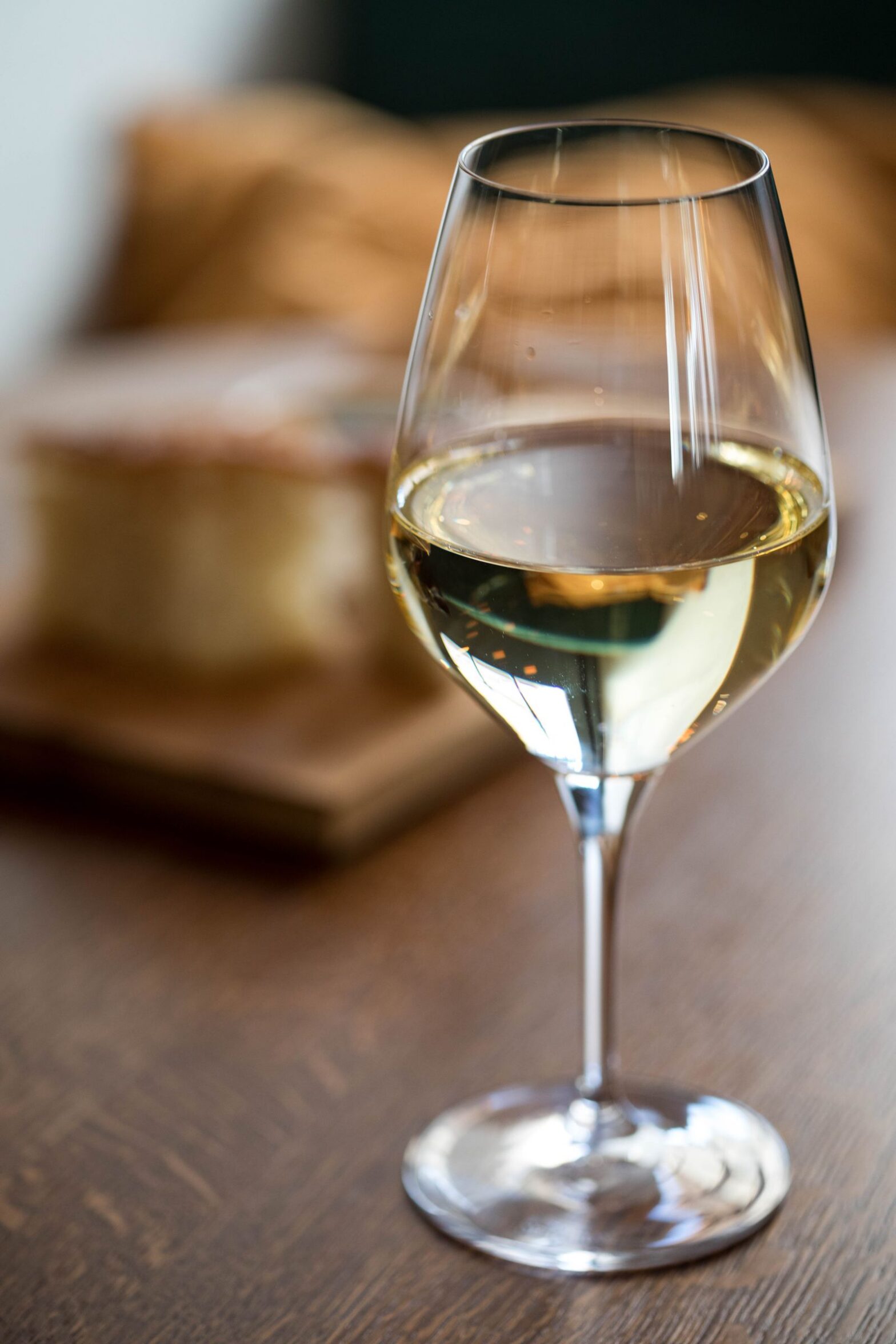
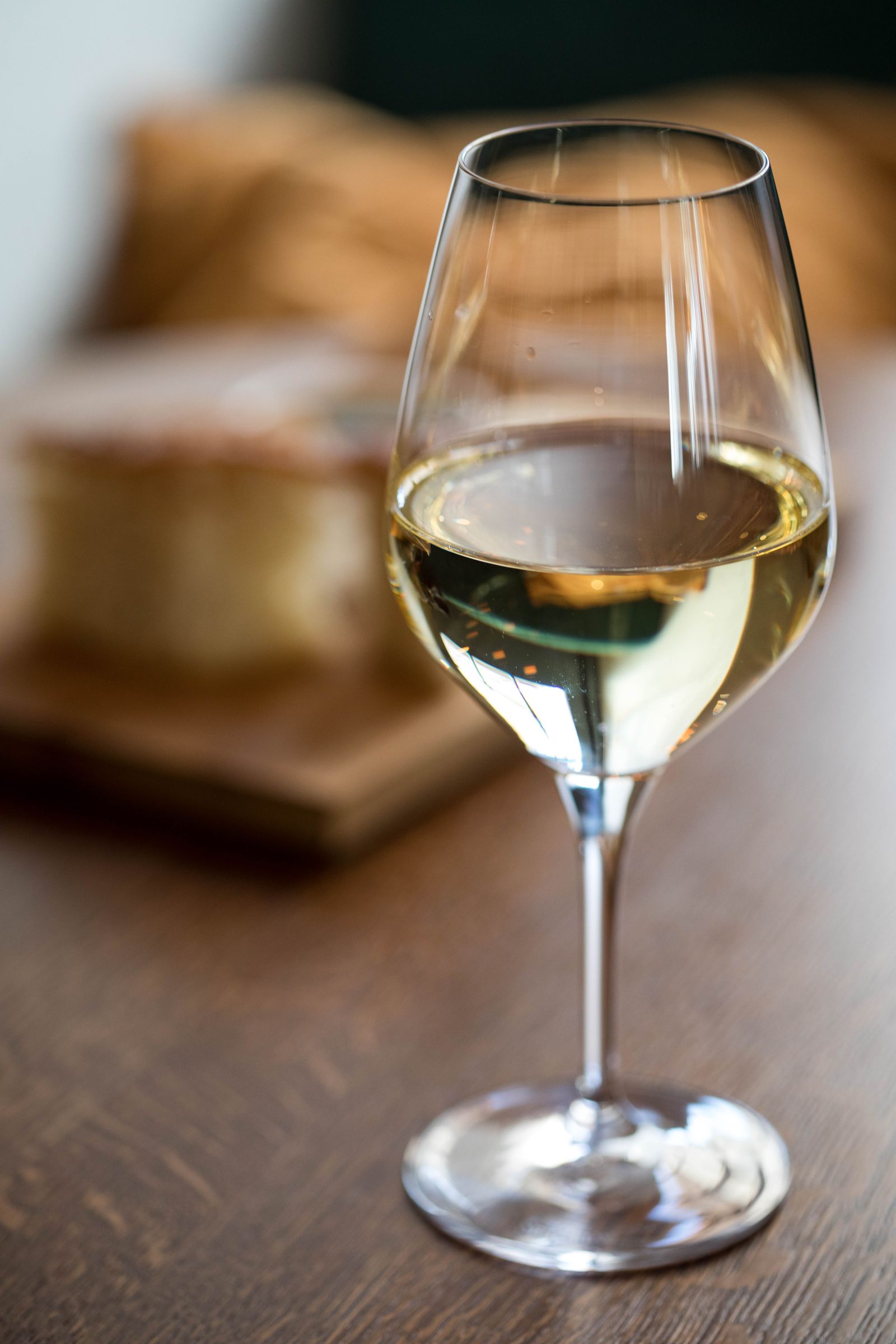
Picture a wine that gets out of its own way. Classic Italian Pinot Grigio is pale, light, and bracingly fresh, with citrus and orchard fruit (lemon, lime, green apple, white peach, and pear) and sometimes a faint almond or saline note on the finish. It is rarely oaked, so you taste fruit and acidity rather than vanilla or butter. Alcohol usually sits around 12 to 13.5 percent, which keeps it easy to drink across an afternoon. The richer Pinot Gris style, common in Alsace and Oregon, trades some of that zip for body, stone fruit, honey, and a rounder, almost oily texture.
Is Pinot Grigio sweet or dry?
Almost all Pinot Grigio is dry. The Italian style is fermented until little or no sugar remains, which is why it tastes crisp rather than sweet, even though ripe pear and citrus can read as fruity. Fruity is not the same as sweet. A handful of off-dry and lightly sweet versions exist, and some inexpensive supermarket bottles are nudged a touch sweeter to please a broad audience, but if you order Pinot Grigio at a restaurant you should expect a dry wine. Alsace Pinot Gris is the exception that can run genuinely off-dry to sweet, including rare dessert versions. If sweetness is what you are sorting out, our wine sweetness scale lays it out clearly.
Pinot Grigio vs Pinot Gris: same grape, two personalities
Here is the part that trips people up: Pinot Grigio and Pinot Gris are the exact same grape. It is a natural mutation of Pinot Noir, and its dusky, grayish-blue skin is where both names come from, since gris and grigio both mean gray. What changes is the place and the intent. Italian and Italian-inspired producers pick earlier and aim for a light, crisp, neutral wine and call it Pinot Grigio. Alsace and many Oregon producers let the grapes ripen further and aim for a fuller, more aromatic, sometimes off-dry wine and call it Pinot Gris. Same DNA, two philosophies.
| Pinot Grigio | Pinot Gris | |
|---|---|---|
| Style | Light, crisp, refreshing | Fuller, richer, aromatic |
| Body | Light | Medium to full |
| Typical sweetness | Dry | Dry to off-dry, sometimes sweet |
| Alcohol | About 12 to 13.5% | About 13 to 14% or more |
| Classic regions | NE Italy: Veneto, Friuli, Trentino-Alto Adige | Alsace, Oregon |
| Best for | Patios, aperitifs, light food | Richer dishes, cooler evenings |
Related reading: types of white wine, California Chardonnay, California Pinot Noir, and dry vs sweet wine.
Where the best Pinot Grigio comes from
The heartland is northeastern Italy. Three regions, Veneto, Friuli-Venezia Giulia, and Trentino-Alto Adige, grow most of the country’s Pinot Grigio, and many of the better bottles now carry the Pinot Grigio delle Venezie DOC, a quality designation created in 2017 to cover that zone. As a rule of thumb, cooler, higher sites in Alto Adige and Friuli give the most precise, mineral versions, while the broad delle Venezie plain supplies the easy, well-priced bottles that fill wine lists. Beyond Italy, Alsace in France makes the benchmark rich style under the Pinot Gris name, Oregon has built a strong reputation for textured Pinot Gris, and both California and Germany (where it is called Grauburgunder) make good examples. You will also find a copper-colored, skin-contact style called ramato from Friuli, named for the Italian word for copper.
How to serve Pinot Grigio
Serve it cold, around 45 to 50 degrees Fahrenheit, which is roughly an hour in the fridge or twenty minutes in an ice bucket. Cooler temperatures sharpen its acidity and make it more refreshing, though if a bottle is very cold you can let it warm a few minutes to reveal more aroma. Use a standard white wine glass, skip the decanter, and drink it young: most Pinot Grigio is made to be enjoyed within one to three years of the vintage, while its fruit is fresh. The richer Alsace Pinot Gris can age longer, but everyday Italian bottles are at their best soon after release.
Crisp Italian delle Venezie
The reliable, food-friendly, well-priced lane. Santa Margherita put this style on the map; look there or to the broad delle Venezie DOC bottles for clean, no-fuss refreshment.
Friuli and Alto Adige
For more character and cut, move to single-region bottles from Friuli-Venezia Giulia or Alto Adige, where producers like Jermann make more precise, mineral-driven wines.
Alsace and Oregon Pinot Gris
When you want body and aroma rather than zip, reach for Pinot Gris. Alsace houses such as Trimbach and Hugel set the standard, and Oregon producers like King Estate make a rounder American take.
What to eat with Pinot Grigio
Pinot Grigio is one of the easiest white wines to match with food because its light body and high acidity flatter delicate dishes without overpowering them. It shines with raw and lightly cooked seafood (oysters, shrimp, white fish, sushi, and sashimi), with light pasta and risotto, green salads, fried vegetables and calamari, and fresh, tangy cheeses like goat cheese and mozzarella. The acidity also cuts cleanly through fried and oily food. Save the bigger, creamier dishes for the fuller Pinot Gris. For more, see our guides to what wine goes with seafood and wine and cheese pairing.
Prefer a white with more aroma and zip? Compare Pinot Grigio with Sauvignon Blanc, the other great crisp, dry white and a natural next pour.
Frequently asked questions
Is Pinot Grigio sweet or dry?
Almost all Pinot Grigio is dry, especially the Italian style, which is fermented until little or no sugar remains. Ripe pear and citrus can make it taste fruity, but fruity is not the same as sweet. A few off-dry versions exist, and Alsace Pinot Gris can be genuinely off-dry to sweet, but a typical bottle of Pinot Grigio is a dry wine.
What is the difference between Pinot Grigio and Pinot Gris?
They are the same grape. Pinot Grigio is the Italian name and usually signals a light, crisp, dry style, while Pinot Gris is the French name, used in Alsace and Oregon, and usually signals a fuller, richer, sometimes off-dry style. The grape is a mutation of Pinot Noir with grayish skin, which is where both names come from.
What does Pinot Grigio taste like?
Light-bodied and crisp, with citrus (lemon and lime), green apple, pear, and white peach, sometimes a faint almond or saline note. It is usually unoaked, so it tastes of fresh fruit and bright acidity rather than vanilla or butter.
Is Pinot Grigio a good wine for beginners?
Yes. It is light, refreshing, low in tannin, rarely oaked, and easy to like, which makes it one of the most approachable white wines to start with. It is also inexpensive at the entry level and pairs with a wide range of everyday food. See our wine for beginners guide for more.
What temperature should Pinot Grigio be served at?
Around 45 to 50 degrees Fahrenheit, or about an hour in the refrigerator. Serving it well chilled keeps it crisp and refreshing, and you can let a very cold bottle warm for a few minutes to bring out more aroma.
How long does Pinot Grigio last, and should you age it?
Most Pinot Grigio is made to drink young, within one to three years of the vintage, while its fruit is fresh, so it is not a wine to cellar. Once opened and recorked in the fridge, a bottle holds its character for about three days. Richer Alsace Pinot Gris can age longer.
What foods go best with Pinot Grigio?
Light, fresh dishes: seafood and shellfish, sushi, light pasta and risotto, salads, fried vegetables, and tangy fresh cheeses like goat cheese. Its acidity also cuts through fried and oily food. Heavier, creamier dishes are better with a fuller white such as oaked Chardonnay or Pinot Gris.
Featured guide: California Red Wine: the grapes, regions, and bottles worth opening, from Napa Cabernet to old-vine Zinfandel.