
Wine Gifts for the Host: What to Bring
Bringing wine to a dinner party is a small art. The right bottle says thank you gracefully, and a little etiquette makes sure the gesture lands exactly as you intend. Here is how to never show up empty-handed again.
You are standing on a doorstep with a bottle in hand, and the host opens the door already holding a glass of something they have carefully paired with dinner. This is the small, common awkwardness at the heart of host gifting: the bottle you bring is meant as a thank-you for the host, yet handing it over at the door can feel like a request to open it right now. A good host gift removes that pressure entirely. It is a bottle, a tool, or a treat the host can enjoy on their own time, chosen with enough thought that it says you are glad to be there. This guide covers the etiquette that prevents the awkward moment, the safe crowd-pleasing bottles by type, how to read the occasion, the non-bottle gifts worth bringing, what to spend, how to present it, and what to do when the host does not drink. Get it right and you become the guest everyone is happy to see arrive.
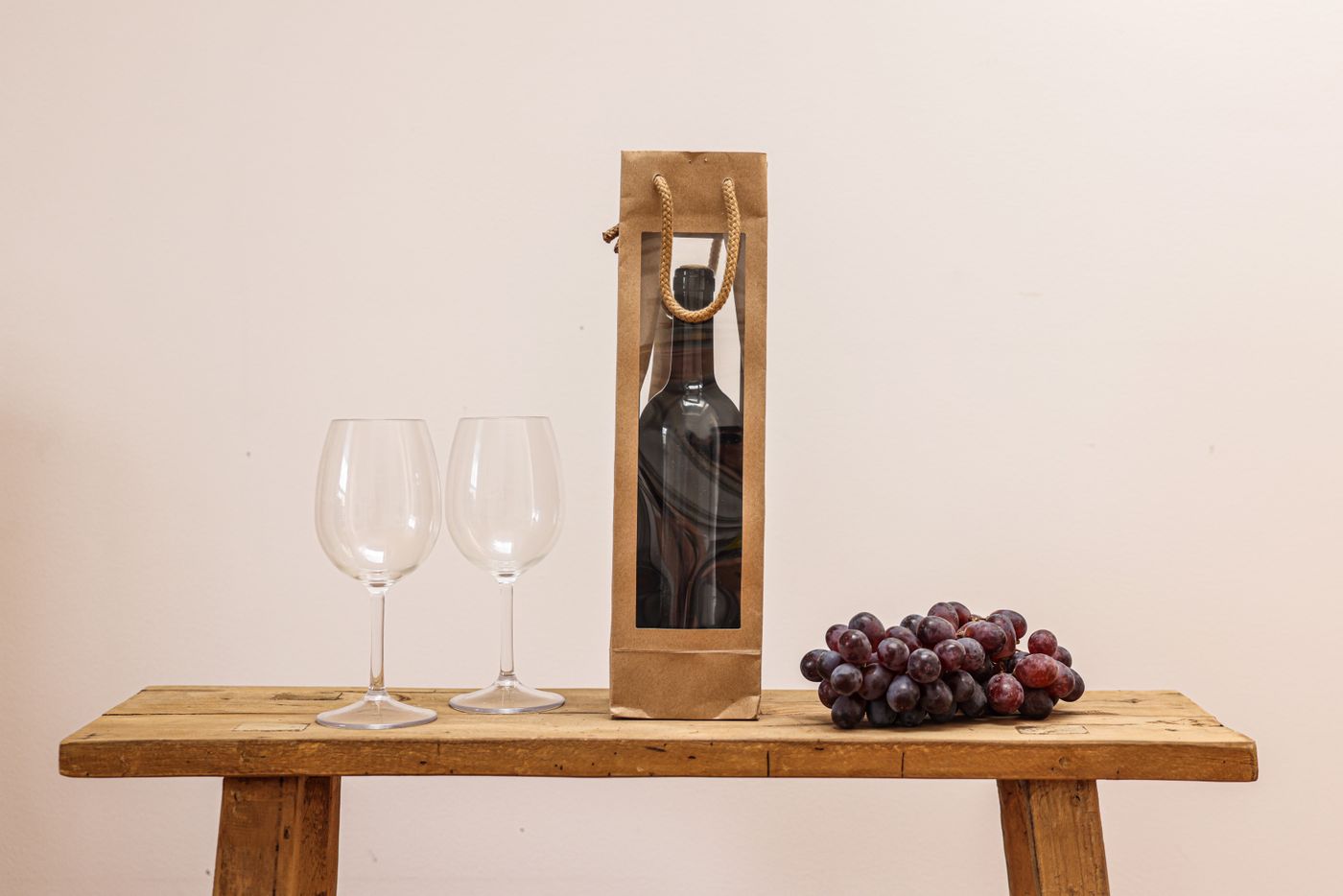
The one etiquette rule that changes everything
The single most important thing to understand about a host gift is that it belongs to the host, to enjoy whenever they choose. A host who is throwing a dinner has already planned the menu and the wines to go with it, so when you hand over a bottle at the door, you can put them in an awkward spot. Open it now and disrupt the pairing they planned, or set it aside and risk looking ungrateful. The fix is simple. Bring something meant for later and say so. A quick “this is for you to enjoy another night, no need to open it” frees the host completely and signals that you understand the gesture. Etiquette authorities from Emily Post to working sommeliers agree on this point: the host is under no obligation to serve your bottle that evening, and a thoughtful guest never expects it.
This reframes what you should buy. Because the bottle is a keeper rather than party fuel, you are free to choose something the host will look forward to opening, not just something that pairs with whatever is being served. It also means you do not need to guess the menu. A versatile, well-made bottle the host can save for the right moment is almost always the better move than a bottle chosen to match a meal you have not seen. If the gathering is casual and the host clearly wants contributions to the table, that is different and you can offer it to share, but the default posture is generosity with no strings attached.
One more piece of the etiquette: bring a gift even when the host says not to. Showing up with a small, well-chosen something is a near-universal courtesy for a dinner, a holiday party, or a first visit to a new home. The size of the gesture scales with the occasion, but the gesture itself rarely goes amiss. If you would rather have the choice made for you, our wine gift generator takes the occasion and your budget and returns a specific, sensible host gift in seconds.
What to bring, by occasion
Not every gathering calls for the same gift. A casual midweek dinner and a milestone holiday party sit at very different points on the spend-and-formality scale. Here is a quick map of what fits each common occasion, so you can match the gift to the moment rather than defaulting to the same bottle every time.
| Occasion | What to bring | Roughly spend |
|---|---|---|
| Casual weeknight dinner | A friendly, versatile bottle the host can save, like a dry sparkling or an easy Pinot Noir, or a nice food treat | 15 to 25 dollars |
| Holiday or dinner party | A celebratory sparkling, a crowd-pleasing red, or a wine-and-treat pairing, with a card | 25 to 40 dollars |
| Housewarming or first visit | Something for the home plus a keeper bottle, a coaster set, a nice opener, or a local wine as a conversation piece | 25 to 50 dollars |
| New baby or new parents | A bottle for the host to enjoy once things settle, paired with a treat or a tea towel, no pressure to open | 20 to 40 dollars |
| Milestone or thank-you | A step-up bottle they would not buy themselves, a magnum, or a dessert wine like Port or Sauternes | 40 dollars and up |
| Host does not drink | A specialty olive oil, fancy coffee or tea, flowers, candles, or a beautiful kitchen tool | 15 to 40 dollars |
Safe crowd-pleasing bottles by type
When you do not know the host’s exact taste, certain styles are near-universal. Each of these is reliable, widely available, and easy to choose without a wine degree. Pick the type that suits the occasion, then grab a respected example in your budget.
A Dependable Sparkling
The safest host bottle
Sparkling is the one wine almost everyone enjoys, and it carries a built-in sense of celebration. A dry Cava from Spain or a Cremant from France delivers genuine Champagne-method bubbles for around 15 to 25 dollars, while Prosecco is softer and friendly. It suits any occasion, pairs with almost anything, and the host can save it for a moment that calls for a toast. If you remember one rule, make it this: when unsure, bring bubbles.
A Versatile Red
For the red-wine household
A medium-bodied, food-loving red is the easy keeper for most hosts. A Pinot Noir, a Cotes du Rhone, or a smooth Argentine Malbec is generous and approachable without being heavy or tannic. These reds are drinkable now, flatter a wide range of food, and do not demand a decanter or years of cellaring. They are the bottle a host can open on a regular Tuesday and be glad you brought it.
A Crisp White
For warm weather or light meals
A bright, dry white is a refreshing, low-risk choice, especially in spring and summer. A Pinot Grigio, an unoaked Chardonnay, an Albarino, or a Sauvignon Blanc is clean and crowd-friendly. Whites like these chill quickly and suit lighter dinners, so a host can pull one out at short notice. If you are unsure whether the host leans red or white, a crisp white plus a sparkling covers most of the field.
A Dessert Wine
A memorable keeper
A sweet, fortified, or late-harvest wine is a thoughtful host gift precisely because most people do not buy it for themselves. A bottle of Port, a Sauternes, or a Moscato d’Asti is a small luxury the host can open after a meal with chocolate or cheese. These bottles keep well once opened, so there is no pressure to finish them in a night, which makes them an elegant, no-strings thank-you.
A Rose, Still or Sparkling
The easy all-rounder
A dry rose is friendly, food-flexible, and reads as warm and unfussy rather than serious. A Provence-style still rose or a sparkling rose works for a casual dinner, a daytime gathering, or a host whose taste you do not know. It avoids the red-versus-white guessing game entirely and looks lovely on a table, which makes it a genuinely safe pick for almost any occasion.
A Local Conversation Piece
A bottle with a story
A well-made bottle from a region you have visited, or from the host’s home turf, turns a gift into a talking point. A bottle from a small producer the host has likely never tried gives them something to discover and you something to talk about. To choose one with confidence, our pillar on the types of wine helps you place any style, so you can pick a regional bottle that matches the host’s palate rather than gambling.
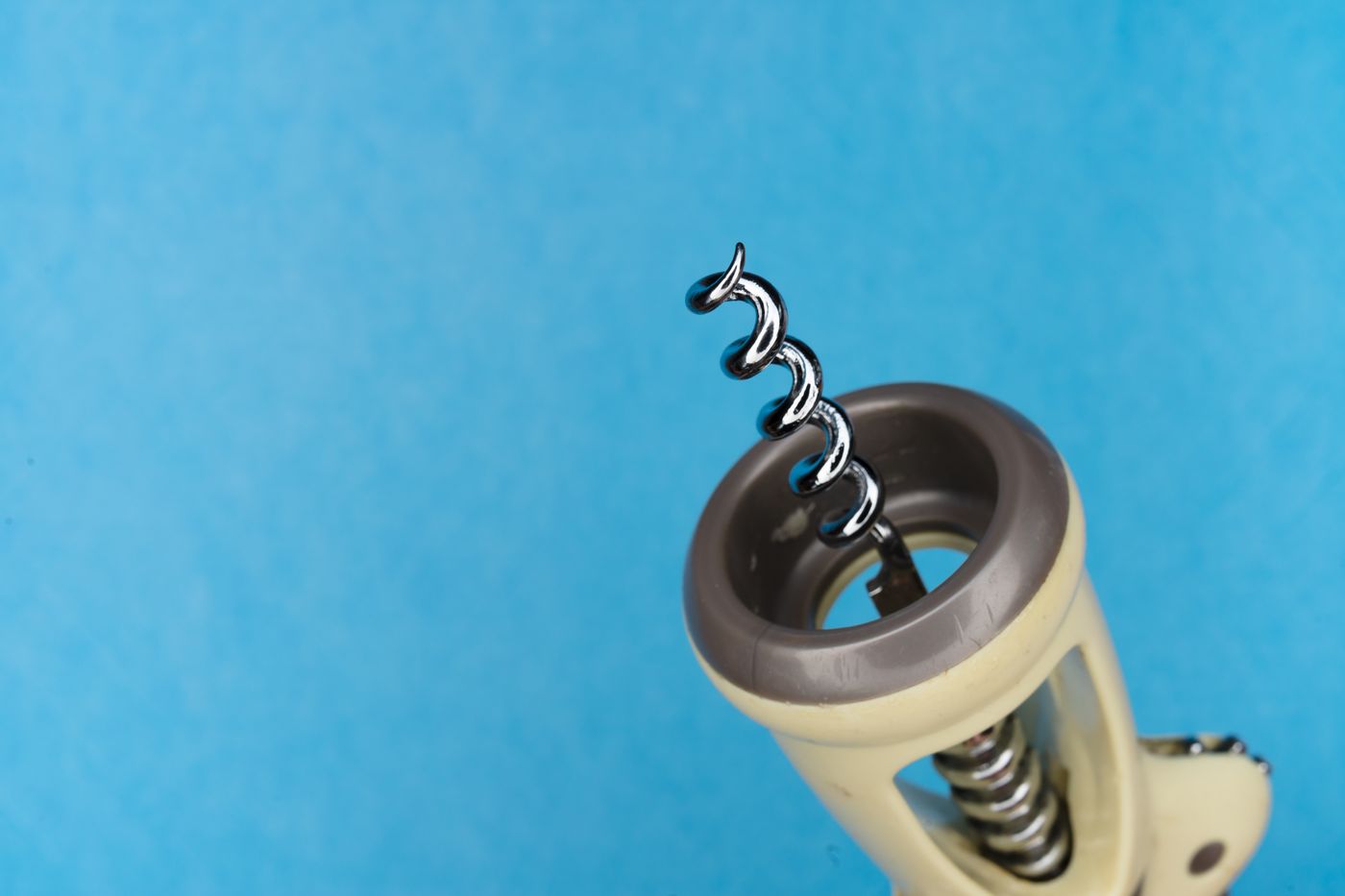
Great host gifts that are not a bottle
Sometimes the most thoughtful host gift is not wine at all, or is wine paired with something else. These hold up when you do not know the host’s taste, when they already have a full rack, or when you simply want to bring something they will use long after the night is over.
A Quality Corkscrew
Practical and lasting
A good waiter’s-friend corkscrew is the tool every host reaches for and few own a nice version of. It is compact, inexpensive, and genuinely useful at every gathering they host afterward. Pair it with a single bottle and you have given both the occasion and the tool to open the next one.
Cork or Stone Coasters
For the table
A set of cork or marble coasters is a classy, low-risk gift that protects a host’s furniture and looks good doing it. They suit a housewarming especially well, since a new home always needs them, and they read as considerate rather than generic.
A Tea-Towel-and-Wine Combo
The thoughtful pairing
A nice linen tea towel wrapped around a good bottle is a warm, homey gift that feels personal without costing much. The towel gets used in the kitchen for years, and the bottle is the keeper. Together they make a small, complete gift that suits dinners, housewarmings, and new-parent visits alike.
A Wine-and-Treat Pairing
An instant dessert
Pair a bottle with something to eat alongside it: dark chocolate with a red or a Port, good crackers and a wedge of cheese with a white, or olive oil and bread with anything. The pairing turns a single bottle into a ready-made moment the host can enjoy whenever they like.
A Specialty Pantry Item
For the host who does not drink
A bottle of specialty olive oil, a tin of good coffee or tea, or a jar of local honey is a gracious gift for a host who does not drink alcohol. It honors the same spirit as a nice bottle, something consumable and a touch indulgent, without assuming they want wine.
Candles or Flowers
The classic standby
A good candle or a simple bunch of flowers is a timeless host gift that suits nearly anyone. If you bring flowers, bring them already in a vase or a wrap that does not need one, so the host is not scrambling for a container while greeting guests. It is a small courtesy that makes the gift effortless to receive.
Tiered picks: thank-you, dinner party, and special occasion
If you just want a clear answer at your level, here are three reliable host gifts, each a real and widely available category rather than a gimmick.
Presentation: the small touches that land the gift
How you hand over a host gift matters almost as much as what is inside. The easiest upgrade is a simple gift bag or a length of tissue, which spares both you and the host the bare-bottle handoff and signals that you put in a moment of effort. A bottle in a tasteful bag reads as a gift, while a naked bottle can read like a contribution to the bar. Tissue, a ribbon, or a reusable wine sleeve all do the job, and none of them costs more than a dollar or two.
The second touch, and the one most guests skip, is a small card or tag. The host may receive several bottles over the course of an evening, and a card that says who it is from and why you chose it makes yours the memorable one. A single line is enough: a note that you picked it because they loved the region, or that it is a keeper for a quiet night, turns a bottle into a gesture. The tag also quietly settles the etiquette question, because a card framing the bottle as a thank-you for later tells the host it is theirs to open whenever they like. Presentation, in other words, is not about spending more. It is about making the gift easy and clear to receive.
Reading the host and the room
The best host gift is the one matched to the specific person and gathering, so read both before you buy. If you know the host loves bold reds, a smooth Malbec or a Cotes du Rhone is a near-certain hit, and our guide to types of wine helps you map any preference to a safe bottle. If you have no idea what they drink, default to a dry sparkling, which pleases almost everyone, or skip wine entirely for a non-bottle gift. For a host who does not drink, a specialty pantry item or flowers honors the same warm intent without assuming alcohol.
Read the occasion too. A casual midweek dinner wants something easy and unfussy, while a holiday party or a milestone justifies a step up in spend and a more celebratory bottle. A housewarming pairs a keeper bottle with something for the new home, and a visit to new parents calls for a no-pressure bottle they can enjoy once things calm down. When the budget is tight or the choice feels impossible, our wine gift generator narrows it for you, and if you want broader inspiration our pillar on the best wine gifts covers gifting for every kind of wine lover, not just hosts.
Mistakes to avoid as a host-gift guest
The most common host-gift mistake is bringing a bottle that demands attention. A rare, expensive, or showy wine handed over at the door can pressure the host to open and serve it on the spot, which can throw off the pairings they planned and shift the focus onto your gift. Bring something meant for later instead, and say so. The point of a host gift is to thank the host, not to upstage their evening.
The second trap is a wine that needs work to drink. A young, tannic bottle that demands a long decant, or a wine that needs years of cellaring, is a poor host gift because it cannot be enjoyed easily or soon. Choose a wine that is ready to drink now. The third mistake is forgetting the host does not have to serve it, then looking disappointed when they do not. Once you hand it over, it is theirs, full stop. Fourth, do not over-personalize a mediocre bottle. An engraved label cannot rescue a wine the host would not have chosen, so spend on quality, not novelty. Last, avoid the bare-bottle handoff and the missing card. A simple bag and a one-line note cost almost nothing and turn an afterthought into a gift.
Why bringing a gift to the host endures
Arriving with something for the host is one of the oldest gestures of hospitality, older than dinner parties as we know them. Across cultures, a guest has long brought a small offering to honor the welcome of a home, and wine in particular has served that role for thousands of years, poured for guests and offered as a sign of respect and goodwill. The custom survives because it works on a human level. A gift for the host acknowledges the real effort behind cooking, cleaning, and opening a home, and it does so with something consumable that does not become clutter. That is exactly why a well-chosen bottle still resonates. It continues a very old courtesy, and choosing it with intention, matched to the host and framed as a thank-you for later, is what separates a thoughtful guest from one who grabbed a bottle on the way.
To choose with confidence, lean on the rest of our library. The pillar guide to the types of wine maps every style so you can match a bottle to a host’s palate, our pillar on the best wine gifts covers gifting for every recipient, and for budget-minded gifting our guide to wine gifts under 50 keeps the spend sensible. If you want a ready-made gift, wine gift baskets bundle a bottle with treats, and for the December rush Christmas wine gifts covers holiday hosts specifically.
Tell us the occasion, the host, and your budget, and our gift generator returns a specific, sensible host gift in seconds. No bottle that demands attention, no awkward doorway moment, just a thank-you the host will be glad to receive.
Host gift questions, answered
What is the best wine to bring to a host?
A dependable dry sparkling like Cava or Cremant is the safest pick, since it suits any occasion and pleases almost every palate. If the host leans toward a style, a versatile red like Pinot Noir or a crisp white like Albarino also works well. Choose a bottle meant for the host to enjoy later rather than one that must be opened the moment you arrive.
Does the host have to open the wine I bring?
No. A host gift belongs to the host to enjoy whenever they choose, and they are under no obligation to serve it that evening. The host has usually planned the menu and the wines to match, so a thoughtful guest never expects their bottle to be opened on the spot. Saying it is for later removes any awkwardness for both of you.
How much should I spend on a host gift?
For a casual dinner, about 15 to 25 dollars is plenty, while a holiday party or dinner party suits 25 to 40 dollars, and a milestone or major thank-you justifies 40 dollars and up. The goal is thoughtful, not showy. A well-chosen bottle in the everyday range often lands better than an expensive one that pressures the host to open it.
What should I bring if the host does not drink?
Honor the same warm intent without wine. A bottle of specialty olive oil, a tin of good coffee or tea, a jar of local honey, flowers, or a nice candle all make gracious gifts for a host who does not drink. The idea is something consumable and a touch indulgent that thanks them for the welcome without assuming they want alcohol.
Should I attach a card to a wine host gift?
Yes. A host may receive several bottles in an evening, so a small card or tag noting who it is from and why you chose it makes yours the memorable one. A single line is enough. Framing the bottle as a thank-you for the host to enjoy later also quietly settles the etiquette, telling the host it is theirs to open whenever they like.
What wine should I bring to a holiday dinner party?
A celebratory sparkling is a strong holiday choice, as is a crowd-pleasing keeper like a smooth Pinot Noir or an unoaked Chardonnay in the 25 to 40 dollar range. For a festive touch, a dessert wine like Port pairs beautifully with holiday sweets. Add a card, and remember the host need not open it that night unless they want to.
Is it rude to show up without a host gift?
Bringing a small gift is a near-universal courtesy for a dinner, a holiday party, or a first visit to a new home, even when the host says not to bother. The gesture rarely goes amiss and is the easy way to thank them for the effort of hosting. If you forget, a sincere thank-you note or a follow-up gift makes a graceful recovery.
What are the biggest host-gift mistakes to avoid?
The main mistakes are bringing a showy bottle that pressures the host to open it, bringing a young wine that needs a long decant or years of cellaring, and looking disappointed when the host sets your bottle aside. Also avoid over-personalizing a mediocre wine and the bare-bottle handoff. Bring a ready-to-drink keeper in a simple bag with a card, framed as a thank-you for later.