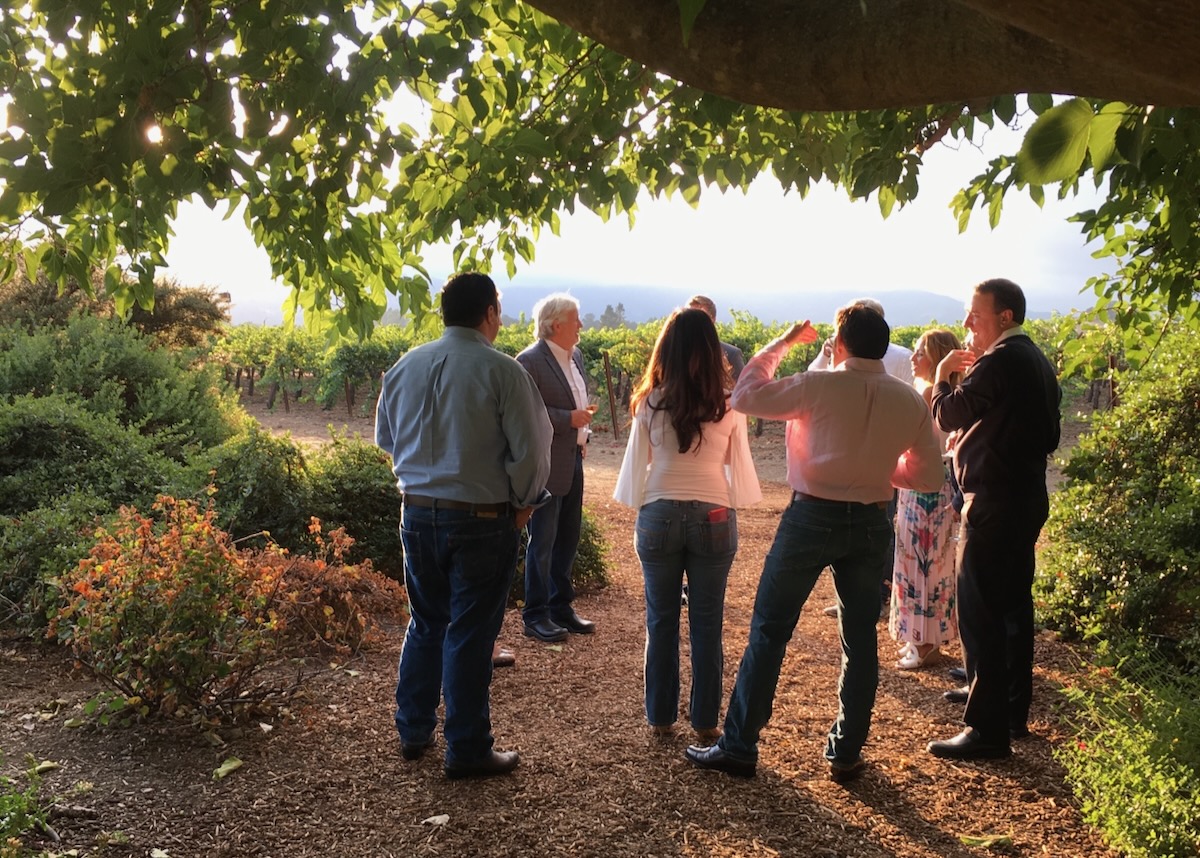
Frog’s Leap Winery sits on the Williams Rossi ranch on Conn Creek Road in Rutherford, where John Williams established one of Napa Valley’s most principled farming operations in 1981. The winery is recognized as a pioneer of organic and dry-farmed viticulture in California at a time when neither practice was fashionable, and it has maintained that commitment across two generations of the Williams family while building a portfolio centered on estate Cabernet Sauvignon and Sauvignon Blanc.
Organic Farming and the Dry-Farmed Difference
Frog’s Leap is certified organic and has dry-farmed the Williams Rossi estate since its first plantings in 1981. Dry farming — growing vines without supplemental irrigation — forces roots deep into the soil profile in search of water, which produces smaller clusters, more concentrated flavors, and naturally lower alcohol levels than irrigated vines of the same variety. It is a demanding practice in California’s dry summers, and one that most Napa Valley producers have not adopted at scale.
The commitment to dry farming reflects the Williams family’s belief that wine should express its vineyard rather than its winemaker’s intervention. Napa Valley’s 130-plus soil types, combined with temperature variation that can swing dramatically from north to south across the valley’s 25-mile length, create an extraordinary range of natural conditions. Farming organically and without irrigation is the most direct way to let those conditions speak in the glass.
The result is wines with a structural integrity that rewards aging. Frog’s Leap Cabernet Sauvignon builds complexity over a decade or more in the bottle, and the estate’s Sauvignon Blanc has become one of California’s most respected examples of the variety. For visitors who want to understand what dry-farmed Rutherford Cabernet Sauvignon tastes like alongside conventionally irrigated examples, the Napa Valley wine guide covers the appellation’s farming spectrum and sub-AVA differences.
A wine that respects its sense of place, its natural balance and the glories of its natural flavors will deliver on its only true purpose: giving pleasure to those who consume it.
Answer a few quick questions and get your wine personality, your best matches, and where to taste them.
Start the quizThe Williams Rossi Ranch and Estate Wines
The Williams Rossi ranch is the heart of the Frog’s Leap wine program. Its vineyards were established starting in 1981 and now support the winery’s full range of estate and soil selection bottlings. The ranch name carries through to several of the winery’s most prestigious releases: the Williams Rossi Cabernet Sauvignon is one of three Soil Selection wines produced at Frog’s Leap, representing fruit identified during harvest as exceptional, fermented in individual barrels and blended from the best results to create what the winery calls a ‘character driven wine deeply personal and wholly rooted in this winemaking family’s Rutherford home.’
A second Soil Selection wine, the Concrete Aged Sauvignon Blanc, is made from older vines on the ranch planted in 1981. Fruit is selected for exceptional character during harvest and fermented in concrete eggs with lees intact, a technique that adds texture and mineral depth without the oak influence that can overwhelm Sauvignon Blanc’s natural aromatic freshness.
Beyond the Soil Selection tier, the estate portfolio covers Cabernet Sauvignon, Sauvignon Blanc, Merlot, and Zinfandel, all reflecting the same philosophy: wines made with respect for place, natural balance, and long-term pleasure rather than immediate impact.
Two Generations of Rutherford Winemaking
Frog’s Leap was founded in 1981 by John Williams, whose conviction about organic farming and dry-farmed viticulture shaped the winery’s identity from the beginning. The Williams family has now built across two generations in Rutherford, with the winemaking tradition and the commitment to the Williams Rossi estate carrying through the decades.
The Rutherford appellation itself has been central to this story. Rutherford sits on the central valley floor where alluvial bench soils deposited by the Mayacamas Mountains drain well and produce the earthy, mineral-inflected Cabernet Sauvignon that winemakers have long called ‘Rutherford dust.’ The warm days and cool nights of Rutherford’s growing season, moderated by morning fog from San Pablo Bay to the south, extend ripening and preserve the acidity that gives the wines structure.
For anyone exploring California Cabernet Sauvignon seriously, Frog’s Leap offers a distinctive reference point within Rutherford: estate-grown, dry-farmed, organic, and made with a winemaking philosophy that treats balance as the highest virtue rather than a constraint.
Tell us what is on the table and our pairing generator finds the wine that makes the meal.
Find your pairingTasting Experiences at the Working Farm
Frog’s Leap operates as a working farm and winery in Rutherford, and the tasting experiences are designed to reflect that. The Garden Tasting places guests in an outdoor garden space for casual bar-service pours from friendly wine hosts who share stories about the wines and the farm surrounding them. The experience is explicitly built for adults 21 and older who want to taste without a formal presentation.
For families or first-time visitors, the Family Friendly Garden Tasting at the community table under the Arbor orients guests to the winery’s house style with four wines for adults alongside seasonal beverages for children and non-drinkers. It is an inclusive approach that reflects the winery’s commitment to hospitality without pretension.
The signature experience, Rooted in Rutherford, is a 90-minute immersive tour and tasting that moves through how the Rutherford AVA shaped two generations of the Williams family winemaking. It is the most complete introduction to what makes this estate and its farming practices distinctive within the appellation.
All experiences take place at 8815 Conn Creek Road in Rutherford. Use our wine pairing tool to find the best food to bring alongside a bottle of Frog’s Leap Cabernet Sauvignon or Sauvignon Blanc.
Sauvignon Blanc as a Rutherford Benchmark
While Cabernet Sauvignon defines Frog’s Leap commercially, the winery’s Sauvignon Blanc has long been considered one of the more serious treatments of the variety in California. Sauvignon Blanc planted in Rutherford’s warmer conditions ripens with more body and texture than coastal examples, but dry-farming and organic practices preserve the acidity and grassier herbal notes that give the variety its identity.
The acid chemistry of Sauvignon Blanc makes it an exceptional food wine. High acidity cuts through rich preparations — goat cheese, oysters, grilled fish, light cream sauces — in the same way Chablis works with oysters: the acidity refreshes the palate and amplifies the food’s salinity. Frog’s Leap’s Concrete Aged version, made in concrete eggs that preserve freshness while adding mineral texture, takes this further by adding a savory depth that bridges the gap between the variety’s typical brightness and the richer Rutherford terroir.
The Sauvignon Blanc guide covers the variety’s range across California and beyond for anyone exploring the style more deeply before or after visiting Frog’s Leap.
Plan Your Visit to Frog’s Leap Winery
Frog’s Leap is open daily (except Wednesdays) for garden tastings and offers the 90-minute Rooted in Rutherford tour for a deeper dive into organic dry-farmed estate winemaking. Use the wine pairing tool below to find the best food matches for Rutherford Cabernet Sauvignon and Sauvignon Blanc.
Find your wine