California Red Wine
Sun in a glass, from the state that taught the New World how to make great red.
Pull the cork on a Napa Cabernet and you taste the thing California does better than almost anywhere: ripe fruit, warm sun, and a kind of confidence the Old World spent centuries learning to relax into. This is the guide to all of it, the grapes, the regions, and the bottle worth opening tonight.
What California red wine is, in one minute
California grows more wine than the rest of the country combined, and reds are its calling card. The reason they taste the way they do comes down to the sun. A long, dry, reliable growing season ripens the grapes fully, which means riper fruit flavors, rounder tannins, a little more alcohol, and that generous, welcoming character that made California famous. Here is the honest field guide: the grapes, where they grow best, how to choose without overspending, and what to put on the table beside them.
| Grape | Style | Best California home | Tastes like | Pour it with |
|---|---|---|---|---|
| Cabernet Sauvignon | Full, structured | Napa Valley | Blackcurrant, cedar, cocoa | Ribeye, lamb, aged cheddar |
| Zinfandel | Full, bold | Lodi, Sonoma, Sierra Foothills | Jammy berry, black pepper, spice | Barbecue, burgers, ribs |
| Pinot Noir | Light to medium | Russian River, Sonoma Coast, Sta. Rita Hills | Cherry, cranberry, forest floor | Salmon, duck, mushroom |
| Petite Sirah | Full, inky | Napa, Lodi | Blueberry, dark chocolate, pepper | Braised beef, stew, brisket |
| Syrah | Full, savory | Paso Robles, Santa Barbara | Blackberry, smoked meat, pepper | Short ribs, lamb, grilled sausage |
| Merlot | Medium to full | Napa, Sonoma | Plum, black cherry, cocoa | Roast chicken, pork, mushroom |
| Cabernet Franc | Medium | Napa, Sonoma | Red berry, bell pepper, graphite | Roast pork, herbed dishes |
| Red blends | Varies | Statewide | Plush fruit, soft and crowd-pleasing | Pizza, burgers, weeknight dinner |
What makes California red wine different
Take the same grape, Cabernet Sauvignon, and grow it in Bordeaux and in Napa, and you get two different wines. The difference is the sun. Bordeaux sits far enough north that ripening is a struggle in cool years, which is why classic Bordeaux can taste lean, gravelly, and restrained. Napa, sitting on roughly the same latitude as the Mediterranean, ripens Cabernet fully almost every single year. Full ripeness means three things you can taste: riper, sweeter-seeming fruit flavors like cassis and blackberry, softer and rounder tannins, and a touch more alcohol and body.
That is the whole California signature in a sentence: generosity. The wines lead with fruit, they feel plush rather than austere, and they are easy to enjoy young without years of cellaring. It is also why oak matters here. Many California reds spend time in new oak barrels, which adds vanilla, baking spice, and a creamy texture that frames all that ripe fruit. The best examples balance the power with freshness and structure. The cheaper ones can tip into jammy and sweet-tasting, which is worth knowing before you buy.
One myth to retire: California red wine is not sweet. Apart from a few dessert styles, these are dry wines. The impression of sweetness comes from ripe fruit and oak, not from sugar.
The red grapes of California
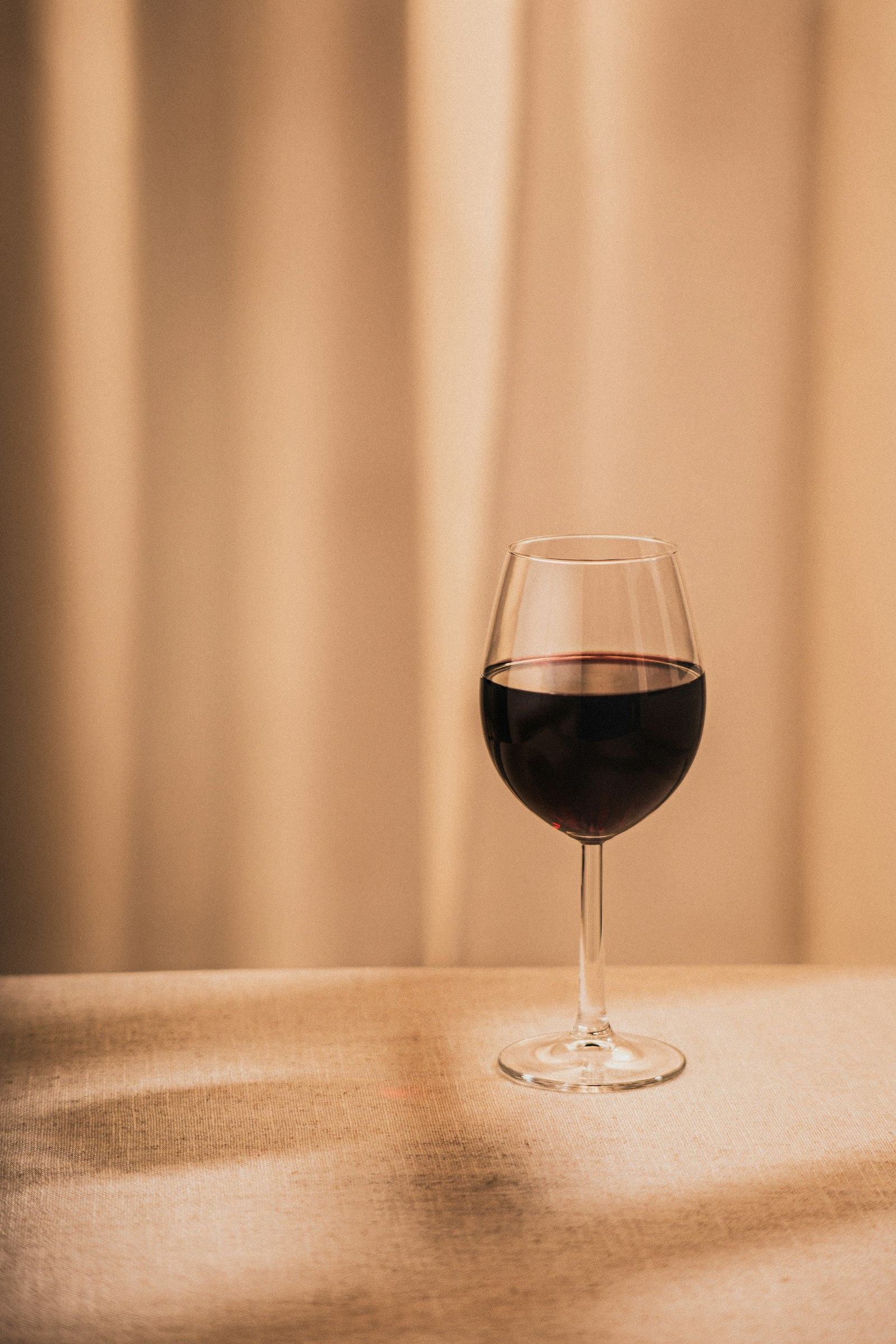
Cabernet Sauvignon is the king of California red wine and the engine of Napa Valley’s fame. Grown on the valley floor and the mountains above it, Napa Cabernet delivers blackcurrant, cedar, and cocoa wrapped in firm but ripe tannin, built to age for a decade or more. It is the grape that beat Bordeaux at its own game in 1976 and never looked back. Open it with a ribeye and the tannins melt against the fat.
Zinfandel is California’s adopted child and its most distinctive red. Genetically the same as Italy’s Primitivo, Zinfandel found its truest home here, especially in old-vine vineyards in Lodi, Sonoma’s Dry Creek Valley, and the Sierra Foothills, some planted before Prohibition. It is jammy, brambly, peppery, and high in alcohol, a wine that tastes like a summer cookout. Pour it with anything off a grill.
Pinot Noir is the heartbreak grape, thin-skinned and fussy, and it only shines where the Pacific keeps things cool. California’s answer comes from the fog-fed Russian River Valley, the Sonoma Coast, and the Sta. Rita Hills in Santa Barbara County. Expect bright cherry, cranberry, and forest floor, with more flesh and fruit than Burgundy. It is the rare red that loves salmon.
Petite Sirah is California’s secret muscle. Dark to the point of opaque, it brings blueberry, dark chocolate, cracked pepper, and tannins you can chew. It is often blended in to add color and grip, but a stand-alone Petite Sirah from Napa or Lodi is a powerhouse made for braised beef and cold nights.
Syrah thrives in the warm hills of Paso Robles and Santa Barbara, where it turns savory and bold, all blackberry, smoked meat, and pepper. California Syrah is one of the most underrated and best-value reds in the shop, often delivering serious complexity for the price.
Merlot never left, despite its dip in fashion. Softer and plummier than Cabernet, with black cherry and cocoa, good California Merlot from Napa and Sonoma is plush, approachable, and a natural with roast chicken or pork. The best examples are quietly excellent.
Cabernet Franc is the parent grape of Cabernet Sauvignon and a rising star on its own, offering red berry, a leafy herb note, and a graphite edge. It is medium-bodied and food-friendly, and California versions are increasingly worth seeking out.
Red blends are where a lot of everyday California red lives. Blending Cabernet, Merlot, Petite Sirah, Zinfandel, and others lets winemakers build a plush, soft, crowd-pleasing wine, and the category runs from cheap and jammy to serious Bordeaux-style blends. For a weeknight pizza or a crowd, a good California red blend rarely misses.
Matching one of these to dinner? The wine pairing generator will name the bottle for your exact dish in about thirty seconds.
The regions that make it
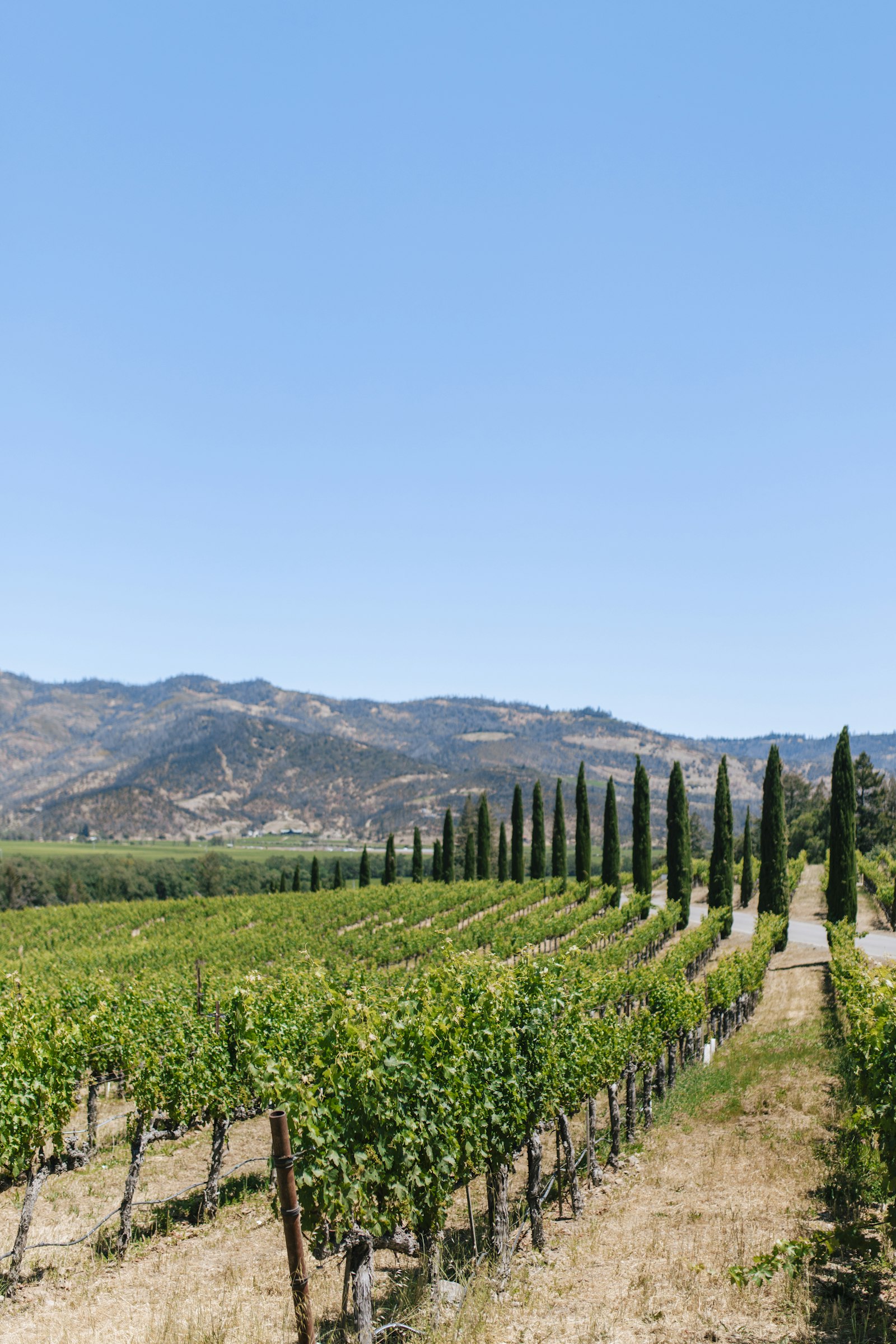
Napa Valley is the most famous red wine region in the country, and Cabernet Sauvignon is its heart. Thirty miles of valley floor and mountain slopes, with warm days and cool nights, give Napa Cabernet its power and polish. It is also the priciest California wine by a wide margin, which is the trade-off for the prestige. Explore it in our Napa Valley guide.
Sonoma County is Napa’s larger, more laid-back neighbor and arguably more versatile. The cool Russian River Valley and Sonoma Coast make gorgeous Pinot Noir, while warmer Dry Creek Valley is a Zinfandel stronghold. You often find better value here than across the hill in Napa.
Paso Robles on the Central Coast is the boomtown of California red, warm and rugged, built for Zinfandel, Syrah, and Rhone-style blends, with Cabernet on the rise. It delivers bold, ripe, generous reds at friendlier prices. See our Paso Robles guide.
Lodi, inland in the Central Valley, is the old-vine Zinfandel capital, home to gnarled vines over a century old. It is one of the best places in California to find serious red wine for the money.
Santa Barbara County, cooled by an unusual east-west mountain range that funnels in Pacific fog, is Pinot Noir and Syrah country, elegant and cool-climate. The Santa Barbara guide has the full picture.
The Sierra Foothills, in Gold Rush country, is a rugged, high-elevation source of old-vine Zinfandel and rustic, characterful reds that fly under the radar and reward the curious.
How to choose California red wine by price
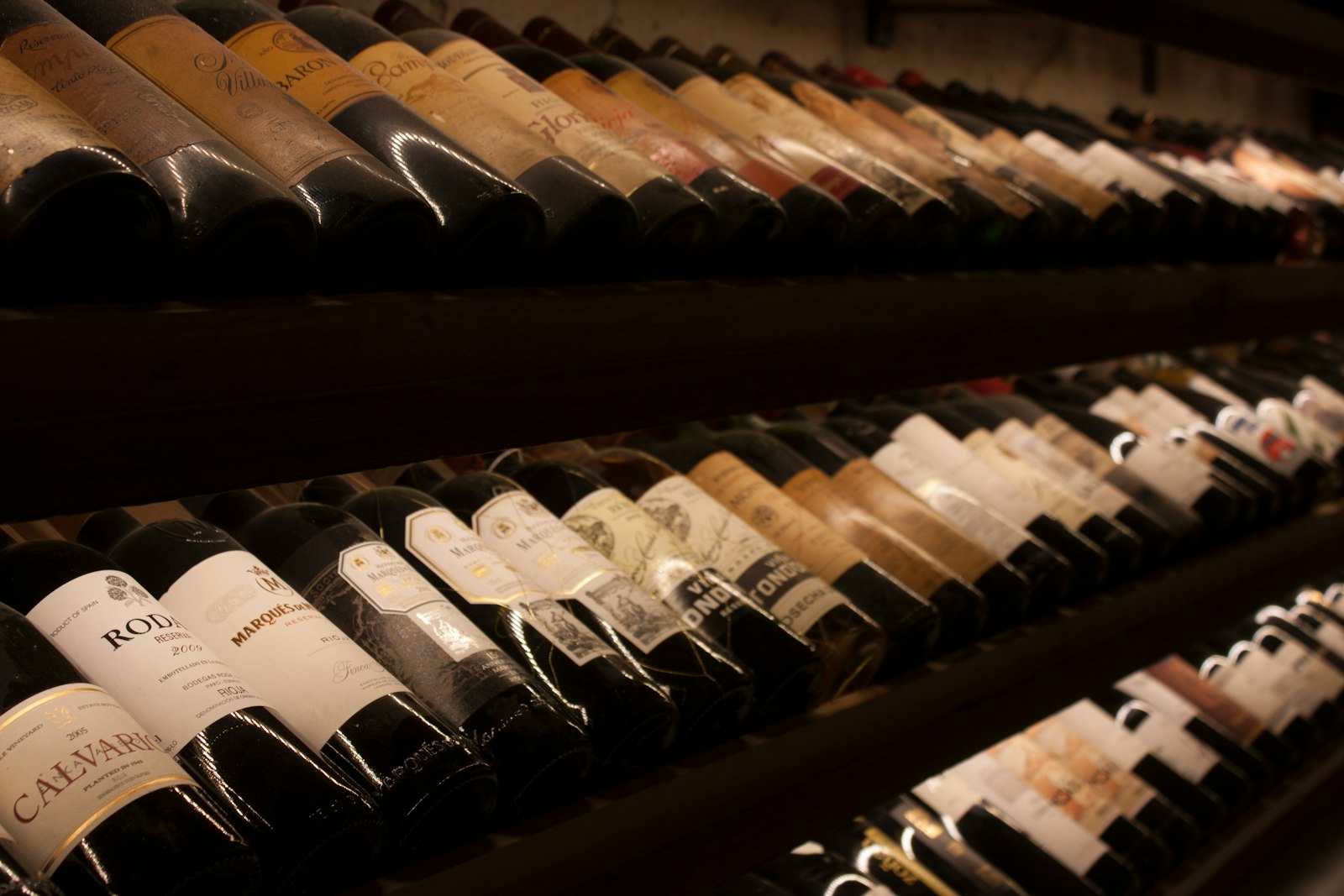
You do not need to spend Napa money to drink well. Here is what each price tier actually buys you, so you can shop with confidence instead of guessing.
Everyday reds and blends, plus excellent-value Zinfandel and Syrah from Lodi, Paso Robles, and the Central Coast. Look here for the smart weeknight bottle. Skip the cheapest Napa Cabernet, since the name costs more than the wine delivers at this price.
The sweet spot. Real Napa and Sonoma Cabernet, characterful single-region Pinot Noir, old-vine Zinfandel, and serious Syrah. This is where California red wine overdelivers, with genuine quality and sense of place.
Collectible and age-worthy: mountain-grown Napa Cabernet, top Russian River Pinot Noir, and flagship blends. Buy here for a special occasion, a cellar, or a gift, not for a Tuesday.
A simple rule: for value, follow the grape to its cheaper-but-excellent region (Zinfandel to Lodi, Syrah to Paso Robles, Pinot Noir to the Sonoma Coast). For prestige and aging, Napa Cabernet is worth the premium. If you are buying a bottle as a present, the wine gift generator finds the right one in under a minute.
What to pour with dinner
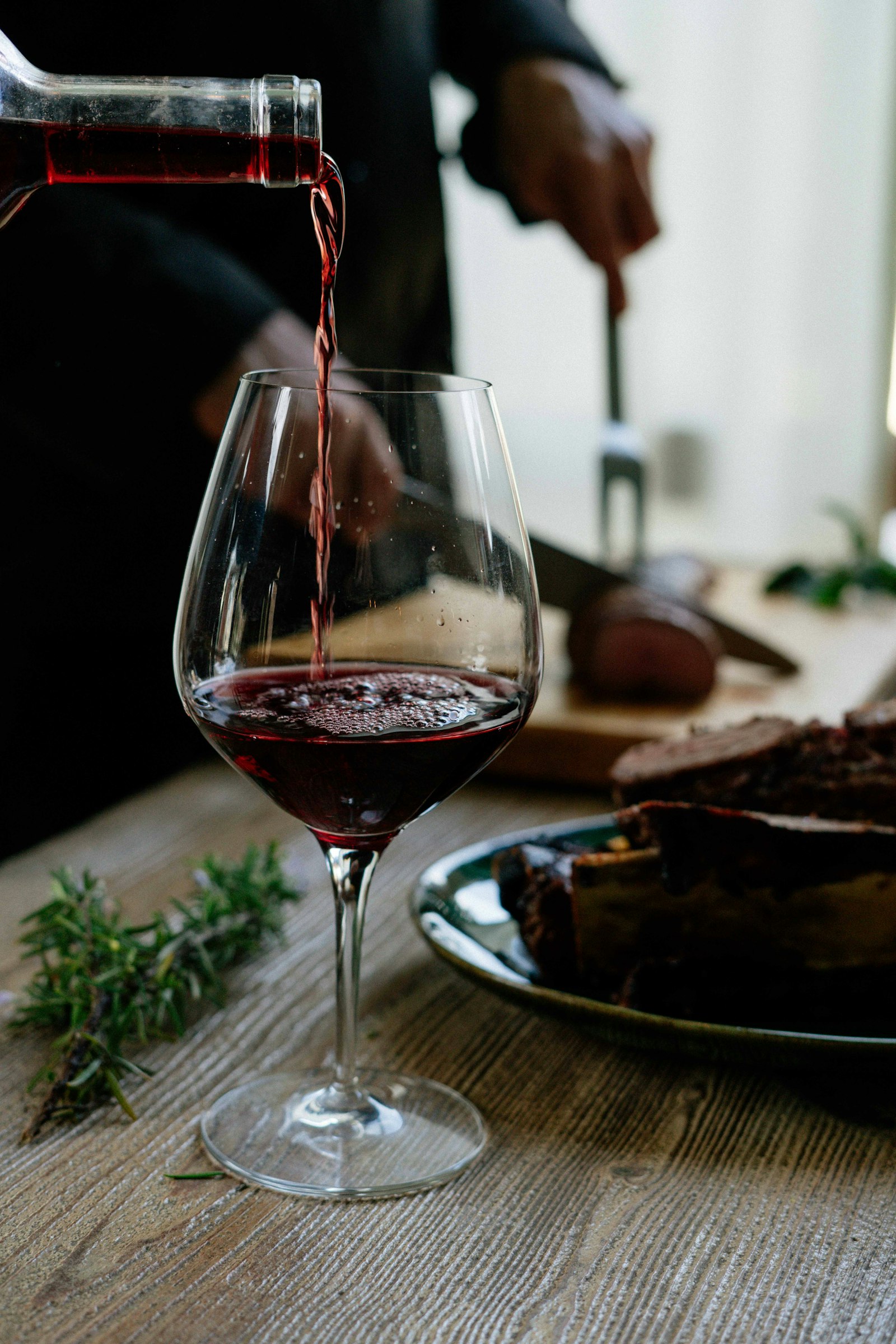
California reds are built for food, and the logic is simple. Tannin loves fat and protein, so a tannic Napa Cabernet feels softer and rounder against a fatty ribeye while the steak tastes less greasy. Bold, jammy Zinfandel stands up to smoke and spice, which is why it owns the barbecue. Lighter, high-acid Pinot Noir is the versatile one, the red that works with salmon, duck, and mushroom dishes where a big Cabernet would steamroll the plate.
A few matches that always work: Cabernet Sauvignon with a grilled ribeye or rack of lamb, Zinfandel with ribs or a burger off the grill, Pinot Noir with seared salmon or roast duck, Syrah with braised short ribs or grilled sausage, and a soft red blend with a Friday pizza. For anything more specific, the pairing generator takes your exact dish and names the bottle.
How California red wine conquered the world
Wine came to California with Spanish missionaries in the late 1700s, who planted the hardy Mission grape to make sacramental wine up the chain of missions. The real revolution came with the Gold Rush, when a flood of immigrants brought European cuttings and ambition, and Zinfandel took root as the everyman’s red. The industry survived a near-death experience during Prohibition, when many vineyards were torn out, though some old Zinfandel vines were spared and still bear fruit today.
The moment that changed everything came in 1976, at a blind tasting in Paris now known as the Judgment of Paris. A panel of French judges, tasting blind, ranked a California Cabernet from Stag’s Leap Wine Cellars above the great wines of Bordeaux. The result stunned the wine world and announced that California could make red wine to rival anywhere on earth. The decades since have only deepened that reputation, from cult Napa Cabernet to world-class cool-climate Pinot Noir. To see where it sits in the bigger picture, start with our California wine guide or the broader types of wine overview.
Not sure which bottle?
Tell us what you are eating and what you love, and we will point you to the California red you will actually enjoy.
Frequently asked questions
What is the most popular California red wine?
Cabernet Sauvignon is the most popular California red wine, led by Napa Valley, followed by Zinfandel, Pinot Noir, Merlot, and red blends. Cabernet is the most planted red grape in the state and its most prestigious.
What is California’s signature red wine?
Zinfandel is considered California’s signature red grape, since the state made it world famous and grows old-vine versions found almost nowhere else. Napa Valley Cabernet Sauvignon is the signature for prestige and collectibility.
Is California red wine sweet or dry?
California red wine is almost always dry, not sweet. The impression of sweetness comes from ripe, sun-grown fruit and oak aging, not from residual sugar. True sweet reds, like some Lambrusco-style or dessert wines, are the exception.
What is the best value California red wine?
For value, follow each grape to its less expensive but excellent home: old-vine Zinfandel from Lodi, Syrah and red blends from Paso Robles, and Pinot Noir from the Sonoma Coast. The $20 to $50 range is the sweet spot where California red overdelivers.
What red wine is Napa Valley known for?
Napa Valley is known above all for Cabernet Sauvignon, which makes up the majority of its production and its reputation. Napa also makes excellent Merlot, Cabernet Franc, and Bordeaux-style red blends.
How is California red wine different from French red wine?
California’s warmer, sunnier climate ripens grapes more fully, so its reds tend to be fruitier, fuller-bodied, softer in tannin, and a touch higher in alcohol than French reds, which are often leaner and more restrained. Same grapes, different sun.
What food goes with California red wine?
Match the weight of the wine to the dish. Pour Cabernet Sauvignon with steak or lamb, Zinfandel with barbecue, Pinot Noir with salmon or duck, Syrah with braised meats, and a soft red blend with pizza or burgers. Tannic reds soften against fat and protein.