How to Read a Wine Label
A wine label can look like a foreign passport: names, places, and numbers in no obvious order. But every label answers the same handful of questions, and once you know what to look for, you can read any bottle in seconds.
Stand in the wine aisle for two minutes and you will see the divide in human nature. One shopper flips a bottle to read the back, squints at “Reserva 2018, Rioja, 14.5 percent,” and quietly puts it back because none of it told them whether it would taste good with dinner. Another grabs the bottle with the biggest “CABERNET SAUVIGNON” on the front and calls it a night. Both are reacting to the same thing: a wine label is a coded document, and nobody hands you the key. The good news is that the code is small. Learn maybe a dozen words and two systems of logic, and a label stops being decoration and becomes the single most useful free tool in the store.
Why two bottles can describe the same wine completely differently
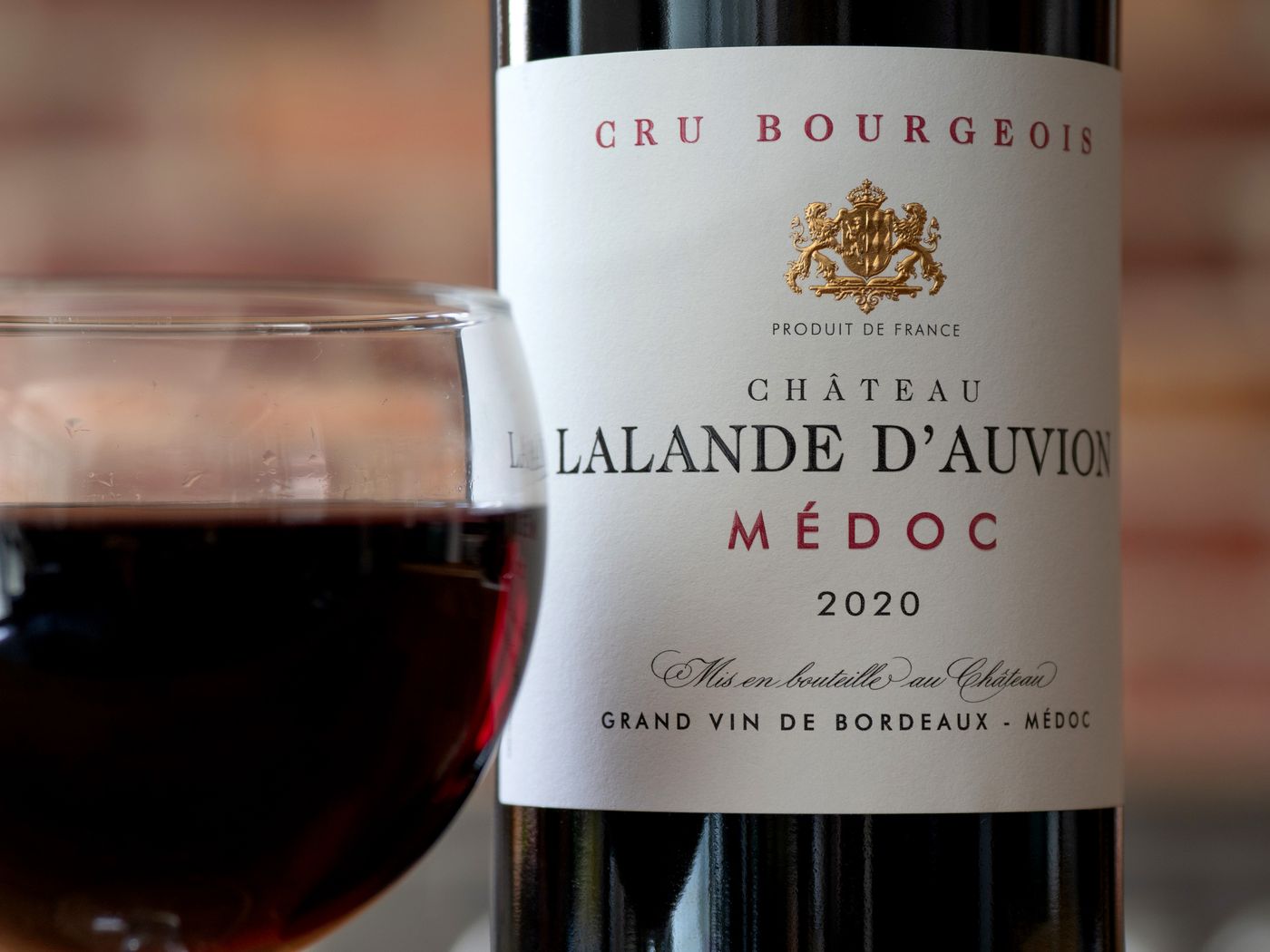
The deepest thing to understand about labels is that there is no single global standard, there are two philosophies. The Old World, meaning Europe, has spent centuries deciding that the place a grape grows matters more than the grape itself. A Burgundian believes that Pinot Noir from one slope tastes meaningfully different from Pinot Noir grown a few hundred meters away, so their labels enshrine the place and often leave the grape off entirely. The New World, meaning the Americas, Australia, New Zealand, South Africa, and the rest, started from scratch with consumers who had never heard of these places, so they did the friendly thing and put the grape front and center.
This is why a label can feel like a test. A bottle that says “Chablis” and a bottle that says “Chardonnay” can be the exact same grape, because Chablis is a region in northern Burgundy that grows only Chardonnay. The same goes for Sancerre (Sauvignon Blanc), Chianti (mostly Sangiovese), Cotes du Rhone (usually Grenache, Syrah, and Mourvedre), and Rioja (mostly Tempranillo). The Old World assumes you already know its geography. The New World assumes you do not and tells you the grape, which is exactly why beginners find New World bottles easier to start with. If grape names alone are still fuzzy for you, our guide to the main types of wine maps the major grapes and styles before you ever pick up a bottle.
Both systems are governed by law, not whim. Appellation rules dictate which grapes can be grown where, the maximum yield per acre, minimum alcohol, and sometimes the aging time before release. So when a French label says Chateauneuf-du-Pape, that is not a brand name, it is a guarantee that the wine met a long list of legal requirements tied to that exact patch of the southern Rhone. The place name is doing the work that a grape name does elsewhere.
The anatomy of a label, term by term
Most of what confuses shoppers is a handful of recurring words. Here is the working glossary, the terms you will actually meet on a shelf and what each one legally or practically means.
| Term on the label | What it actually means |
|---|---|
| Producer / Domaine / Bodega / Weingut / Estate | Who made the wine. The most important word for finding it again. “Domaine” is French, “Bodega” Spanish, “Weingut” German, “Tenuta” or “Azienda” Italian. |
| Vintage | The year the grapes were harvested, not bottled. A bottle with no year is “non-vintage” (NV), common in Champagne and inexpensive blends. |
| Appellation / AOC / DOCG / AVA | The legally defined place the grapes grew. Tighter, smaller appellations generally signal higher quality and price than broad ones. |
| Varietal | The grape. In the US a wine must be at least 75 percent of a grape to name it; in Oregon many grapes require 90 percent. |
| Alcohol by volume (ABV) | The strength, from roughly 8 to 16 percent. Higher ABV usually means a riper, warmer-climate, fuller-bodied wine. |
| Reserva / Riserva / Gran Reserva | In Spain and Italy, legally regulated extra aging. In the US, “Reserve” has no legal meaning at all. |
| Brut / Sec / Demi-Sec / Dry / Off-Dry | Sweetness level. On sparkling wine these are precise sugar ranges. On still wine “dry” means not sweet. |
| Estate Bottled | In the US, legally defined: the winery owns or controls 100 percent of the vineyard and made and bottled the wine in the same area. |
| Old Vines / Vieilles Vignes / Viñas Viejas | Older vines, often deeper flavored. There is no legal minimum age, so treat it as a hint, not a guarantee. |
| Contains Sulfites | Required by US law on any wine with more than 10 parts per million of sulfites, which is nearly all of them. |
One word deserves a flag because it fools almost everyone. On sparkling wine, “Extra Dry” is sweeter than “Brut,” not drier. The sweetness scale runs Brut Nature, Extra Brut, Brut, Extra Dry, Sec, Demi-Sec, Doux, from bone dry to dessert sweet. If you want a deeper map of where any wine sits, our wine sweetness scale lays it out from driest to sweetest, and dry vs sweet wine explains why a “dry” wine can still smell sweet.
How to read a label from each major country
The fastest way to get fluent is to learn the local grammar of the five label languages you meet most. Each country front-loads different information, so knowing what to look for first turns a wall of text into a quick read.
France
Place first
Look for the appellation, the AOC or AOP line, which names the region (Bordeaux, Burgundy, Sancerre). The grape is almost never printed. The producer is often a “Chateau” or “Domaine.” A village or single vineyard name signals higher quality than a regional one.
Italy
Place, sometimes grape
DOCG sits at the top of the quality pyramid, then DOC, then the broader IGT. “Riserva” means extra aging. Some labels name the grape (Barbera, Nebbiolo), others only the place (Barolo, which is Nebbiolo). “Classico” means the historic heart of the zone.
Spain
Place plus aging tier
DOCa (or DOQ) is the top tier, with Rioja and Priorat. The big clue is aging: Crianza, then Reserva, then Gran Reserva, each requiring more time in oak and bottle before release. “Bodega” means the producer.
Germany
Ripeness ladder
The Pradikat ladder ranks grape ripeness at harvest: Kabinett, Spatlese, Auslese, Beerenauslese, Trockenbeerenauslese, in rising order of sugar at picking. “Trocken” means the finished wine tastes dry. QbA is the everyday quality tier below Pradikat.
United States
Grape first
The grape is the headline. The AVA (American Viticultural Area) names the place, from broad (“California”) to precise (“Russian River Valley”). “Estate Bottled” is legally meaningful here; “Reserve” is not. ABV is always listed.
Australia and New World
Grape and region
Australia, New Zealand, Chile, and South Africa follow the US model: grape up front, region named clearly (Barossa Valley, Marlborough, Maipo, Stellenbosch). The friendliest labels for beginners because almost nothing is hidden.
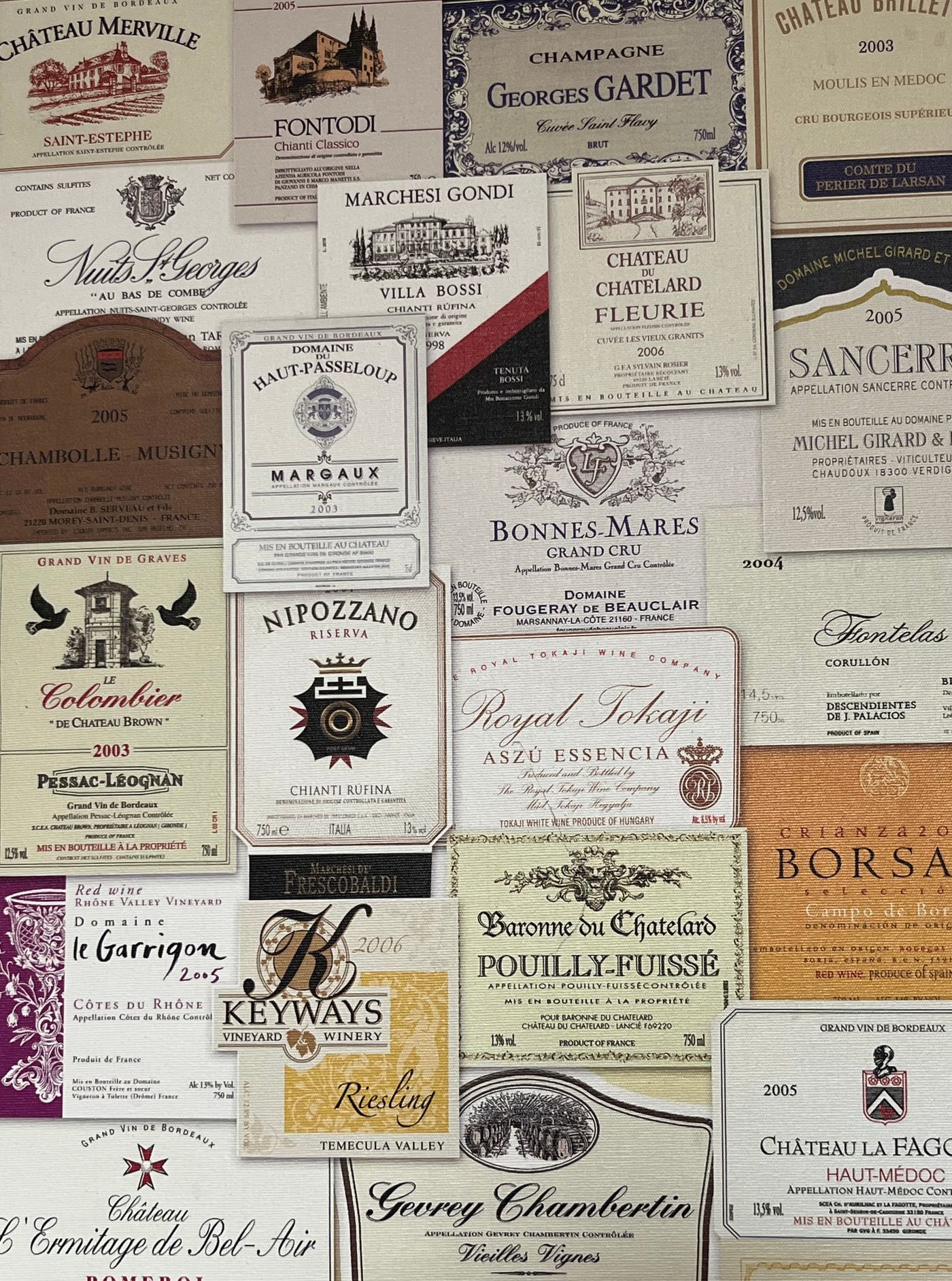
The German Pradikat ladder trips people up because it sounds like a quality ranking but is really a ripeness ranking. Kabinett grapes were picked at lower sugar, Spatlese (“late harvest”) later and riper, and so on up to the rare botrytized Trockenbeerenauslese. Riper picking can mean a sweeter wine, but a Spatlese marked “Trocken” was fermented fully dry. Two separate ideas, ripeness at harvest and sweetness in the glass, share the same label, which is why German Riesling has a reputation for being hard to decode and a delight once you can.
Three labels, three lessons: how to pick by what you read
The back label: where the practical clues hide
The front label is the marketing; the back label is the fine print, and it often answers the questions you actually have. Start with the ABV, printed by law. Anything at or above 14.5 percent will taste full, warm, and probably bold; anything around 11 to 12 percent will feel lighter and likely crisper or sweeter. ABV is the closest thing a label gives you to a body forecast, which is why it pairs so well with our guide to wine body.
Next, find the importer line on any foreign bottle. Certain importers, like Kermit Lynch or Skurnik in the US, act as a quality filter, so recognizing a trusted name is a shortcut to a good bottle. Look too for an “estate bottled” or “mis en bouteille au domaine” statement, the French version, which means the grower bottled their own fruit rather than buying it. Some back labels list residual sugar in grams per liter, the most honest sweetness signal there is: under 4 is dry, 4 to 12 is off-dry, and higher climbs toward sweet. And the “Contains Sulfites” line is not a warning about quality, it appears on nearly every wine because sulfur is a natural byproduct of fermentation and a standard preservative.
Organic, biodynamic, and the marketing words to ignore
A growing share of labels carry farming claims, and they are not interchangeable. “Certified Organic” means no synthetic pesticides or fertilizers in the vineyard, and in the US, “made with organic grapes” allows added sulfites while a wine labeled simply “organic” does not. “Biodynamic,” certified by Demeter, goes further, treating the farm as a single living system on a lunar calendar. “Natural” has no legal definition anywhere, so it can mean a lot or nothing. These tell you about farming, not flavor, though many drinkers find well-made organic and biodynamic wines more vivid.
Then there are the words that sound impressive and legally mean nothing. “Reserve” on a US bottle, “Old Vines” with no stated age, “Hand-Crafted,” “Barrel Select,” “Winemaker’s Selection,” “Proprietor’s Blend,” and “Limited Release” are marketing, not guarantees. Every wine is hand-crafted in the sense that someone made it. Use these terms as tone, not proof. The legally meaningful words are the appellation, the vintage, the regulated aging tiers, “Estate Bottled,” and the ABV. Everything else is the winery talking to you, and you are allowed to be skeptical.
Mistakes to avoid when buying by the label
The most common error is treating “Reserve” as a quality stamp on an American or Australian bottle. Outside Spain and Italy it is just a word. The second is assuming a fancy chateau drawing means a serious wine; the engraving budget tells you nothing about what is inside. The third is fearing a high ABV reflexively. A 15 percent Zinfandel is not “too strong,” it is a style, and the number is there to set your expectation, not to scare you.
Another trap is ignoring the vintage on wines where it matters. For everyday bottles meant to drink young, last year or two is ideal and freshness counts, especially for crisp whites and roses. And do not be seduced by the broadest possible appellation. “California” or “Vin de France” on the label means the grapes could come from anywhere in a huge zone, which usually signals a bulk, value-priced wine. A narrower, named place is almost always a better bet for the money. When a label still leaves you stuck, our wine for beginners guide walks through choosing a first bottle with confidence.
A short history of why labels look the way they do
Wine labels are younger than the wine. For most of history wine moved in barrels and was sold by the merchant, not the maker. Paper labels became practical only after glass bottles standardized in the 1700s and reliable bottle-shaped molds and glues arrived. France formalized the modern system in 1935, creating the Appellation d’Origine Controlee, the AOC, to stop fraud after phylloxera and economic chaos had flooded the market with fake Bordeaux and Burgundy. Italy followed with the DOC system in 1963 and added the stricter DOCG in 1980. Spain built its Denominacion de Origen framework across the twentieth century, elevating Rioja to its top DOCa tier in 1991. The United States created the AVA system in 1980, deliberately defining only geography and leaving grape and style to the market. Every confusing word on a modern label is a fossil of a law written to protect a place or a drinker. Read it that way and the whole thing makes sense.
Once labels click, the rest of wine opens up fast. Start with the big picture in our pillar guide to the types of wine, then build your palate with how to taste wine, learn to read a bottle’s weight with wine body, and settle the sweetness question once and for all with dry vs sweet wine and the full wine sweetness scale. New to all of it? Our wine for beginners guide ties it together.
Think you can now tell a Chablis from a Chardonnay and a Brut from an Extra Dry? Put it to the test and find your wine knowledge level in a couple of minutes.
How to read a wine label, answered
What are the five most important things on a wine label?
The producer, the region or appellation, the vintage, the grape variety, and the alcohol by volume. With those five you know who made it, where and when the grapes grew, what is inside, and roughly how full-bodied it will be. Everything else on the label adds detail to those five anchors.
Why do some wine labels not list the grape?
Old World wines from France, Italy, and Spain usually name the region instead of the grape, because European tradition holds that the place matters more than the variety. The region tells an informed buyer the grape automatically, since appellation law dictates what can be grown there. Chablis is Chardonnay, Chianti is Sangiovese, and Rioja is mostly Tempranillo.
What is the difference between Old World and New World labels?
Old World labels lead with the place and often leave the grape off, while New World labels from the US, Australia, and Chile lead with the grape and name the region clearly. New World labels are easier for beginners because almost nothing is hidden. Old World labels reward knowing a bit of geography.
Does “Reserve” on a wine label mean anything?
It depends on the country. In Spain and Italy, Reserva, Gran Reserva, and Riserva are legally regulated and require extra aging before release. In the United States and most New World countries, “Reserve” has no legal definition, so any winery can use it.
Is “Extra Dry” Champagne drier than “Brut”?
No, and this trips up almost everyone. On sparkling wine, Extra Dry is actually sweeter than Brut. The full scale from driest to sweetest runs Brut Nature, Extra Brut, Brut, Extra Dry, Sec, Demi-Sec, and Doux.
What does the alcohol percentage tell me about the wine?
ABV is the best body clue on the label. Wines around 11 to 12 percent tend to be lighter and often crisper or sweeter, while wines at 14.5 percent and above tend to be fuller, riper, and bolder. It usually reflects how ripe and warm-climate the grapes were.
What does “Estate Bottled” mean?
In the United States it is legally defined: the winery owns or controls 100 percent of the vineyard, and the wine was made and bottled in the same viticultural area. The French equivalent is “mis en bouteille au domaine.” It signals that the grower made their own wine rather than buying fruit.
Why does every wine say “Contains Sulfites”?
US law requires the statement on any wine with more than 10 parts per million of sulfites, which is nearly all of them. Sulfur is a natural byproduct of fermentation and a long-standing preservative that keeps wine fresh. The label is not a warning about quality, just a standard disclosure.