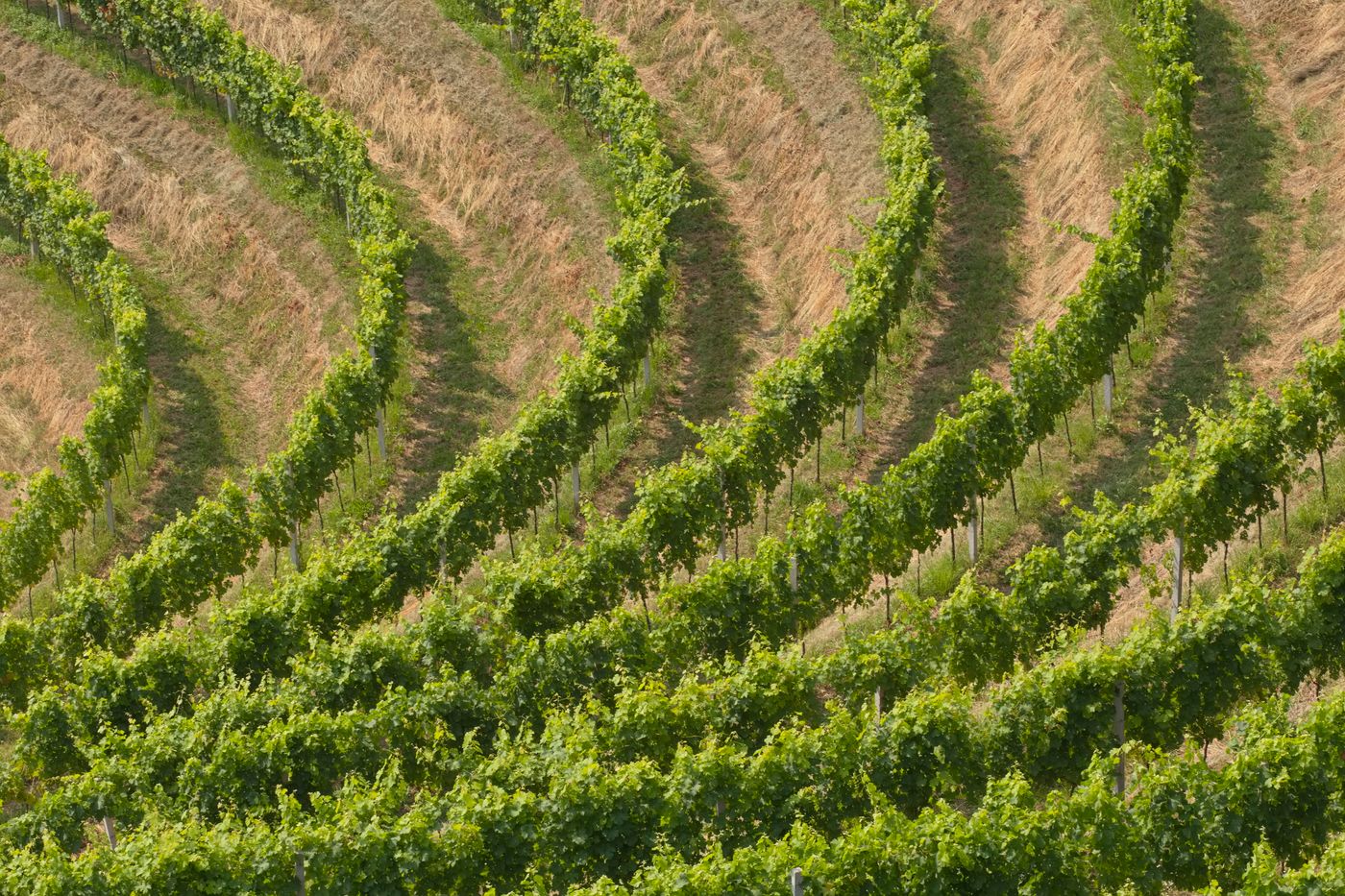
Pull off Highway 29 in Rutherford and the vineyards tighten, the soil shifts from gravelly alluvial to the Bale clay loam of the benchland, and PEJU Province Winery rises from it all with a stone tower tasting room that has welcomed guests since 1983. This is family land, family wine, and a direct line to what Rutherford Cabernet Sauvignon has always been about.
A family story rooted in Rutherford
Tony Peju arrived in California from France with a clear idea of what he wanted: his own estate on the Napa Valley floor, growing grapes in soil serious enough to demand attention. He and his wife Herta founded PEJU Province in 1983, planting 30 acres of benchland vines along Highway 29 and building the distinctive stone tower that became a Rutherford landmark. The name Province is a nod to the wine regions of southern France that shaped Tony’s palate before Napa claimed it.
Today the second generation leads. Daughters Ariana and Lisa Peju grew up in these vineyards and now run the winery with winemaker Sara Fowler and executive chef Nic Montanez, whose tasting-room pairings are designed around the estate wines. The founding philosophy has not changed: grow the best possible fruit on land you know intimately, make wine that belongs at a table, and welcome anyone who wants to understand why Rutherford produces some of the most singular Cabernet in the world.
Answer a few quick questions and get your wine personality, your best matches, and where to taste them.
Start the quizRutherford benchland and the dust beneath your feet
Rutherford sits at roughly 150 feet of elevation on the valley floor, flanked by the Mayacamas to the west and the Vaca Range to the east. The benchland soils here are deep Bale clay loam layered over well-drained alluvial gravel, a combination that stresses vines just enough to concentrate flavor while retaining enough water to carry them through the dry season. Winemakers and viticulturists have long pointed to what they call Rutherford Dust, a mineral, almost chalky quality in the tannins of wines grown on these benches that no other AVA quite replicates.
PEJU’s 30 estate acres sit squarely on that benchland. The vines are close-planted, canopy-managed to maximize afternoon shade, and harvested by hand into small bins. The result is consistent from vintage to vintage in structure if not in character, because good benchland soil does not erase the year, it amplifies it.
Wines built for the table
Estate Cabernet Sauvignon is the anchor. PEJU’s version leads with dark fruit, dried herb, and a mid-palate density that reflects the clay component in the soil, then finishes with the firm, fine-grained tannins that Rutherford benchland Cab is known for. The Province Red Blend layers Merlot and Petite Sirah into the Cabernet frame, softening the structure and adding a fleshy mid-palate that makes it more approachable younger. The estate Chardonnay, grown in the cooler microclimate near the tower, is fermented partially in neutral oak to keep the emphasis on fruit and acid rather than wood.
PEJU also produces a Petite Sirah worth seeking out. This variety, which thrives in warm benchland conditions, delivers inky color, blackberry fruit, and a tannic grip that outlasts almost any food you put in front of it. At PEJU it tends to show more polish than the variety’s reputation suggests, reflecting careful extraction and judicious aging in French and American oak.
Tell us what is on the table and our pairing generator finds the wine that makes the meal.
Find your pairingPairing PEJU wines with food
Rutherford Cabernet Sauvignon is built around tannin, and tannin is built for protein. The tannin molecules bind to the proteins in red meat, especially grilled or braised beef, lamb chops, or a well-marbled ribeye, creating a softening effect in the wine and a richer sensation on the palate. The same chemistry works with aged hard cheeses like Manchego or Parmigiano-Reggiano, where the protein and fat both engage the tannin structure. The benchland mineral quality in PEJU Cab also pairs naturally with earthy ingredients like roasted mushrooms, wild game, or truffle.
The Province Red Blend, with its Merlot-softened frame, is versatile enough for roasted pork, duck confit, or a hearty pasta with meat ragu. The Chardonnay, balanced toward fruit and acid rather than butter, works well with roasted chicken, fresh crab, or a light cream sauce where the acidity cuts through richness without overwhelming the dish. The Petite Sirah is a late-meal wine: braised short ribs, a serious aged cheese board, or dark chocolate at the finish.
Find the right Napa bottle for tonight
Take the 60-second quiz and we match you to the wines and Napa tasting rooms that fit your palate and your plans.
Find your wine