
Easy, Impressive Dinners for Two
Impressing someone with dinner is not about complexity. The most restaurant-worthy plates come from a handful of good ingredients and one technique done well. Here are the dishes that look like you tried hard, even when you did not.
The trap with a special dinner at home is thinking impressive means complicated. It does not. The most memorable plates the two of you will cook are usually four ingredients deep, done in one pan, and finished in under forty minutes. What makes them feel like a restaurant is not effort, it is the searing crust, the warm bowl, the candle, and the bottle you pour beside it. Pick a main that is hard to mess up, give it a wine that completes it instead of competing with it, and you have an occasion. This is the list of dishes that punch far above the work they take, each matched to the wine that finishes the thought.
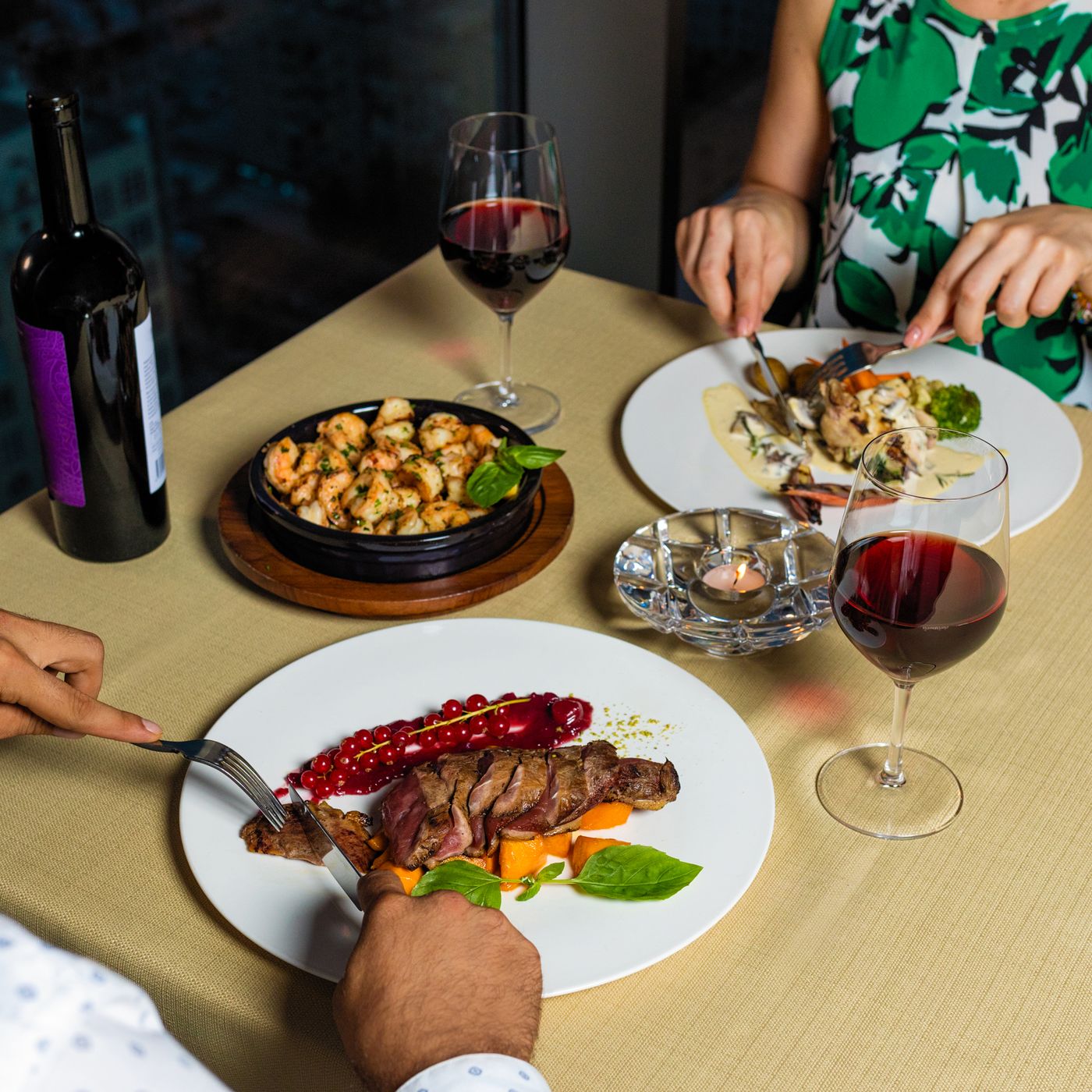
Why these dinners look hard and are not
Impressive food relies on three things the camera reads instantly: a deep brown crust, a glossy sauce or sheen, and a clean plate. All three come from heat and salt, not skill. A steak gets its crust because a hot pan and a dry surface trigger the Maillard reaction, the browning that builds hundreds of savory flavor compounds in ninety seconds. A pan sauce looks luxurious because butter swirled into the browned bits left in the pan emulsifies into something glossy with zero technique. Risotto reads as patient cooking, but it is really just stirring stock into rice until it goes creamy. None of this is hard. It only looks hard.
The other half of the illusion is the wine. A bare plate of food is dinner. The same plate with a glass that mirrors or cuts it becomes a pairing, and a pairing feels intentional, like someone who knew what they were doing planned the night. The science is simple: tannin in red wine binds with the fat and protein in red meat and clears the palate, so a Cabernet beside a steak makes both taste cleaner. Acidity in a crisp white slices through butter and garlic, so a Chablis beside scallops keeps every bite bright. You are not cooking harder. You are letting the bottle do the heavy lifting.
So the strategy for a low-stress, high-impact dinner for two is to spend your energy on one excellent main, keep the sides almost embarrassingly simple, and let the wine carry the sense of occasion. A perfect steak with a green salad and a great bottle beats an ambitious three-course meal that leaves you frazzled before your guest arrives. For the full logic behind matching, our guide on how to pair wine with food breaks down the chemistry, but you do not need it to follow the table below.
The dish-to-wine cheat sheet
Pick a row, buy the bottle, and you are most of the way there. Each dish here is genuinely low-technique, and the wine column gives you a safe everyday pour and a splurge if the night calls for it.
| Dish | Why it is easy | Everyday wine | Splurge wine |
|---|---|---|---|
| Seared steak with pan sauce | One pan, four minutes a side, butter sauce from the drippings | Argentine Malbec, 15 to 20 dollars | Napa or Paso Robles Cabernet Sauvignon, 45 plus |
| Pan-seared scallops | Sear two minutes, flip, done in five total | Unoaked Chablis or Macon-Villages, 18 to 25 | Aged white Burgundy, Meursault or Puligny-Montrachet, 60 plus |
| Mushroom risotto | Just stirring stock into rice, no fail point | Willamette Valley Pinot Noir, 20 to 28 | Barbera d’Alba or village Burgundy, 35 to 50 |
| Cacio e pepe | Five ingredients, all pantry staples | Sardinian Vermentino, 14 to 20 | Chianti Classico, 28 to 40 |
| Roast rack of lamb | Sear and roast, the oven does the work | Cotes du Rhone Syrah blend, 16 to 24 | Bordeaux from Pauillac or Saint-Julien, 50 plus |
| Pan-roasted salmon | One fillet, skin-side down, ten minutes | Dry rose from Provence, 15 to 22 | Oregon or Sonoma Coast Pinot Noir, 35 plus |
| Shrimp scampi | Garlic, butter, lemon, done in eight minutes | Italian Pinot Grigio, 12 to 18 | Paso Robles or coastal Vermentino, 22 to 30 |
| Cheese and charcuterie board | No cooking at all, just arranging | Cava or Cremant, 14 to 22 | Brut Champagne, 50 plus |
| Simple dessert (berries, dark chocolate, affogato) | Assembled, not baked | Moscato d’Asti, 14 to 18 | Tawny Port, 10-year, 30 to 45 |
The dishes, one by one, with the wine that finishes them
Here is the full lineup. Each card tells you why it is nearly foolproof, a make-ahead move so you are not cooking when your guest walks in, and the bottle that turns it into a pairing rather than just a plate.
Seared Steak with Pan Sauce
Cabernet or Malbec
Buy one good ribeye or two filets, pat them bone dry, salt hard, sear four minutes a side in a screaming pan, rest, then swirl butter and a splash of wine into the drippings for an instant sauce. The crust does all the work. Tannin in a bold red grips the fat and resets your palate between bites. Pour an Argentine Malbec for an easy night or a Napa Cabernet to splurge. Make-ahead: salt the steak up to two hours early so it browns better. See our deep dive on what wine goes with steak.
Pan-Seared Scallops
Chablis or White Burgundy
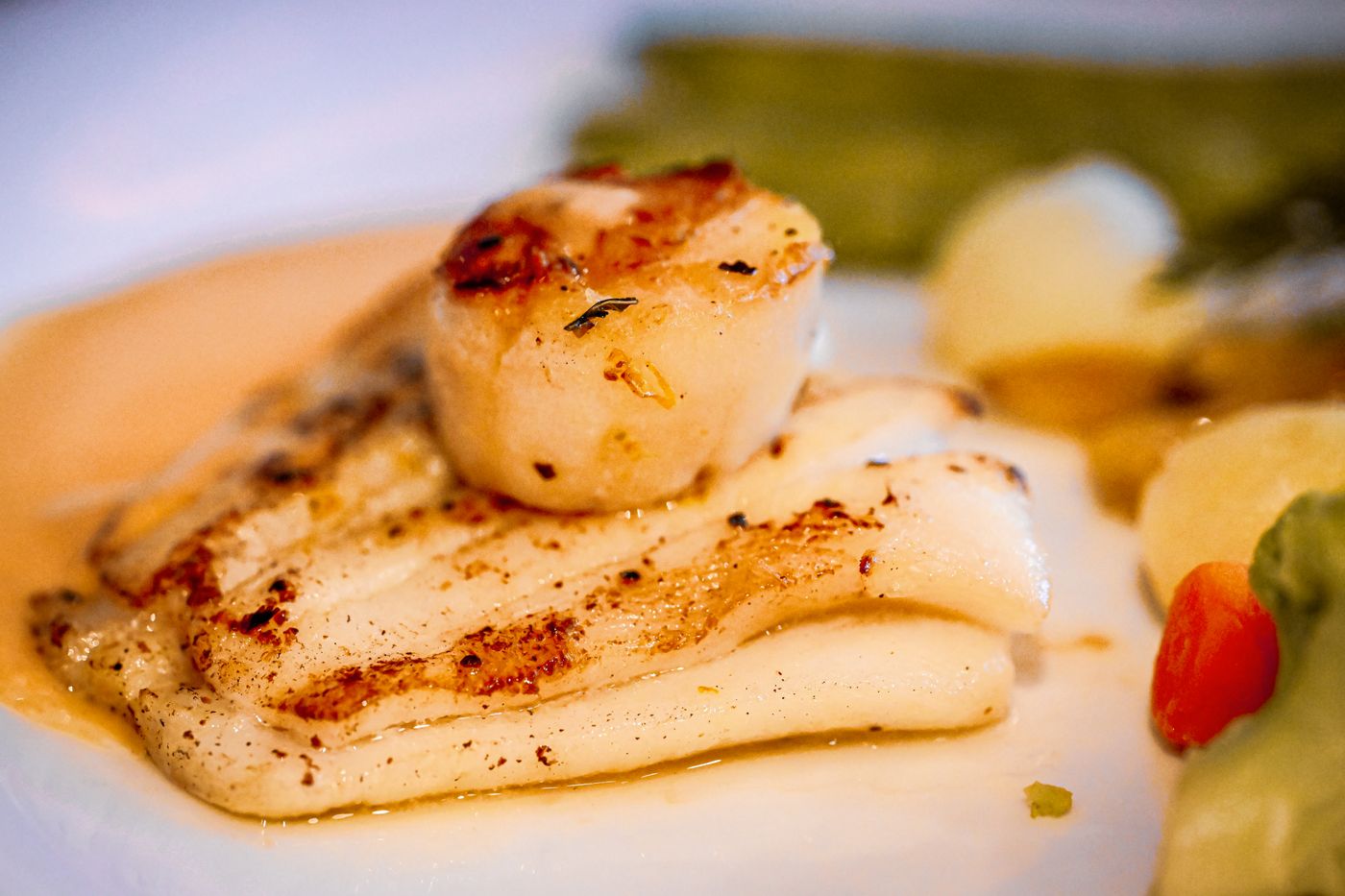
Scallops feel fancy and cook in five minutes. Dry them well, sear in butter two minutes a side until a golden crust forms, do not move them. The only mistake is a wet pan, so blot them and use high heat. An unoaked Chablis cuts the butter and its minerality mirrors the seared, nutty edge. For a defining pairing, an aged Meursault echoes the scallop’s caramelization. Make-ahead: pat dry and salt lightly thirty minutes before searing.
Mushroom Risotto
Pinot Noir or Barbera
Risotto sounds like a chef move but it is just stirring warm stock into rice, a ladle at a time, for eighteen minutes until creamy. There is no fail point, only patience. Earthy mushrooms meet the forest-floor notes of Pinot Noir perfectly, while a juicy Barbera d’Alba brings acidity that keeps the richness lively. Make-ahead: cook the mushrooms and warm the stock beforehand so the final stir is hands-off and calm.
Cacio e Pepe
Vermentino or Chianti
Five ingredients, all in your pantry: pasta, Pecorino, black pepper, salt, starchy pasta water. The trick is emulsifying the cheese with the water off the heat so it goes silky, not clumpy. A Sardinian Vermentino, all citrus and almond, cuts the salty richness, while a Chianti’s acidity and red fruit hold up to the pepper. Make-ahead: grate the cheese and crack the pepper in advance so it comes together fast.
Roast Rack of Lamb
Bordeaux or Syrah
A rack of lamb looks like a special-occasion centerpiece and the oven does almost everything. Sear it in a pan, smear with mustard and herbs, roast fifteen minutes to medium-rare, rest, slice into chops. A structured Bordeaux from Pauillac or a peppery Rhone Syrah stands up to lamb’s deeper flavor. Make-ahead: coat the rack with the herb crust hours before and refrigerate until you sear.
Pan-Roasted Salmon
Pinot Noir or Rose
One fillet, skin-side down in a hot pan, press flat for thirty seconds, then leave it alone for most of the cook so the skin crisps. Salmon is forgiving and quick. A light, bright Oregon Pinot Noir has the acidity to handle the fish without crushing it, and a dry Provence rose is the no-think summer pour. Make-ahead: pat dry and bring to room temp so it cooks evenly. More in our guide on what wine goes with salmon.
Shrimp Scampi
Vermentino or Pinot Grigio
Garlic, butter, white wine, lemon, shrimp, done in eight minutes flat, served over pasta or with bread to mop the sauce. It is almost impossible to overcook if you pull the shrimp the second they curl. A crisp Pinot Grigio matches the garlic and lemon, while a coastal Vermentino brings melon and minerality. Make-ahead: peel the shrimp and mince the garlic ahead so it is a true ten-minute dish.
No-Cook Cheese and Charcuterie
Champagne or Cava
The most impressive course that requires zero cooking. Arrange three cheeses, a cured meat or two, olives, nuts, honey, and bread on a board. Sparkling wine is the great equalizer here: its acidity and bubbles cut through salt and fat and reset the palate for the next bite. Pour a brut Champagne to splurge or a Spanish Cava for the same effect at a third of the price. Make-ahead: build it an hour early and let the cheese come to room temperature.
Simple Impressive Dessert
Port or Moscato
Skip baking. Berries with whipped cream, a square of good dark chocolate, or an affogato (espresso poured over vanilla gelato) all read as effort and take two minutes. A 10-year Tawny Port with its caramel and nut notes is built for chocolate, and a lightly fizzy Moscato d’Asti is feather-light with fruit. Make-ahead: chill the wine and prep the components so dessert is assembly, not a project.
Three ways to buy the wine, by budget
You do not need a cellar. Here is how to choose the bottle depending on the night and your spend, whichever dish you land on.
Serving, plating, and setting the mood
The cooking is the easy part. The polish is in the last five minutes. Warm your plates in a low oven so the food does not cool the second it lands, restaurants do this and almost no one at home does. Slice the steak or lamb against the grain and fan it so the rosy interior shows, because a cut, fanned protein photographs and reads as more impressive than a whole piece. Wipe the rim of the plate clean. A single sprig of herb or a drizzle of good olive oil is all the garnish you need.
On the wine: serve reds a touch cooler than room temperature, around 60 to 65 degrees, which means fifteen minutes in the fridge for most bottles, and serve whites and sparkling cold but not icy, around 45 to 50, so the aromatics still come through. Use the biggest glasses you own. A larger bowl lets the wine breathe and makes any bottle taste more expensive. Pour modestly, a third full, so there is room to swirl. Light a candle, dim the overheads, and you have transformed your kitchen into a restaurant for two for the price of a bottle and an hour.
Building the whole night around the pairing
If you want the evening to flow, think in courses even when the cooking is minimal. Open with the no-cook charcuterie board and a glass of Cava while you finish the main, which buys you relaxed time together instead of solo time at the stove. Move to the steak with its Cabernet or the scallops with their Chablis as the centerpiece. Close with chocolate and a small pour of Tawny Port. Three courses, but only one of them involves a hot pan. That is the entire trick to a dinner that feels ambitious and is anything but.
This page lives next to two siblings worth a look depending on your night. For the broader recipe-and-mood roundup, see our romantic dinner ideas, and for staying-in plans beyond the plate, our date night dinner ideas cover the wider evening. If you would rather have the matching done for you, our date night wine pairing tool takes your menu and returns the bottle in seconds. The dishes here are the easy, high-impact subset: low technique, few ingredients, hard to ruin, every one with its wine.
Mistakes that quietly sink an easy dinner
The first mistake is overreaching. A four-component menu you have never cooked is how a romantic night becomes a tense one. Cook one main you trust and keep the rest simple. The second is a crowded pan. Steak and scallops need space and dry heat to brown, so if you pile them in they steam instead of sear and you lose the crust that makes them look impressive. Cook in batches or use a bigger pan.
The third is mismatching the wine to the weight of the dish. A delicate scallop drowns under a big oaky red, and a rich steak makes a light Pinot Grigio taste like water. Match power to power: bold reds with red meat, crisp whites with seafood and butter, light reds with salmon and mushroom. The fourth is serving red wine too warm and white too cold, which flattens both. And the last is forgetting the salt. Underseasoned food tastes amateur no matter how good the recipe. Season in layers and taste as you go.
Why these pairings are traditional, not invented
None of these matches are gimmicks. Steak and Cabernet, scallops and white Burgundy, lamb and Bordeaux are pairings that wine regions and their kitchens worked out over centuries because the local food and the local wine grew up together. In Bordeaux, the structured reds of the Medoc have been poured with roast lamb for generations, the tannin and the fat made for each other. In Burgundy, seared scallops beside a Meursault is one of the defining plates of French gastronomy, the lemon, hazelnut, and cream of the wine mirroring the scallop’s caramelized edge. In Rome, cacio e pepe and a crisp local white predate any modern pairing chart. You are not improvising. You are leaning on matches that are old, tested, and reliable, which is exactly why they work with so little effort.
For the bigger picture, our pillar on the types of wine maps every grape and style you see here, and if you want to keep exploring pairings, how to pair wine with food turns these examples into a method you can use for any dish. The interactive route below does the matching for you.
Tell our date-night tool what you are cooking and it returns the bottle that completes it, with a budget and a splurge option for every dish.
Easy impressive dinners for two, answered
What is the easiest impressive dinner to cook for two?
A seared steak with a quick pan sauce is the most reliable. It is one pan, four minutes a side, and the browned crust does all the visual work. Pour a Malbec or Cabernet beside it and a green salad alongside, and you have a restaurant-grade dinner in under twenty minutes.
What wine goes with a romantic steak dinner?
A bold red with firm tannin, which binds the fat in the meat and clears your palate between bites. Argentine Malbec is the easy, affordable pick, while a Napa or Paso Robles Cabernet Sauvignon is the splurge. Both make the steak taste cleaner and richer.
What wine should I serve with scallops or shrimp?
A crisp, high-acid white. Unoaked Chablis or white Burgundy is the classic with seared scallops, the acidity cutting the butter and the minerality mirroring the sear. For shrimp scampi, a Pinot Grigio or coastal Vermentino matches the garlic and lemon beautifully.
Can I drink red wine with fish?
Yes, with the right fish and the right red. A light, high-acid red like Oregon Pinot Noir is excellent with salmon or tuna, because those fish are rich enough to handle it. Avoid big tannic reds with delicate white fish, which would overwhelm them.
What is a good make-ahead dinner for two?
Mushroom risotto and rack of lamb both prep well. For risotto, cook the mushrooms and warm the stock in advance so the final stir is calm. For lamb, apply the herb crust hours ahead and refrigerate until you sear. A charcuterie board can be built an hour early too.
What dessert pairs with wine for a date night?
Dark chocolate with a 10-year Tawny Port is a classic, the caramel and nut notes in the Port made for cocoa. For something lighter, berries or an affogato with a fizzy Moscato d’Asti is feather-light and takes two minutes to assemble.
How much wine do two people need for dinner?
One standard 750ml bottle gives about five glasses, enough for two people across a dinner. If you want a different wine for each course, open a second bottle but pour modestly. A sparkling to start, a still wine with the main, and a small dessert pour is the comfortable amount.
What temperature should I serve the wine?
Serve reds slightly cool, around 60 to 65 degrees, which means about fifteen minutes in the fridge for most bottles. Serve whites and sparkling cold but not icy, around 45 to 50 degrees, so the aromas still come through. Too warm flattens reds, too cold mutes whites.