
Sweet Red Wine: A Complete Guide
Sweet red wine is the friendliest doorway into wine there is: soft, fruity, and forgiving, with none of the grip that scares newcomers off a dry red. From fizzy Lambrusco to velvety Port, here is the whole delicious family.
Pour a glass of Lambrusco at a table in Emilia-Romagna and nobody blinks. It is the everyday red of Modena, served slightly chilled with prosciutto and parmesan, fizzy and a little sweet and completely unbothered by wine snobbery. That is the secret of sweet red wine. It is not a lesser category or a beginner mistake. It is one of the oldest and most pleasurable corners of the wine world, and once you know the styles, it gives you a bottle for almost every occasion.
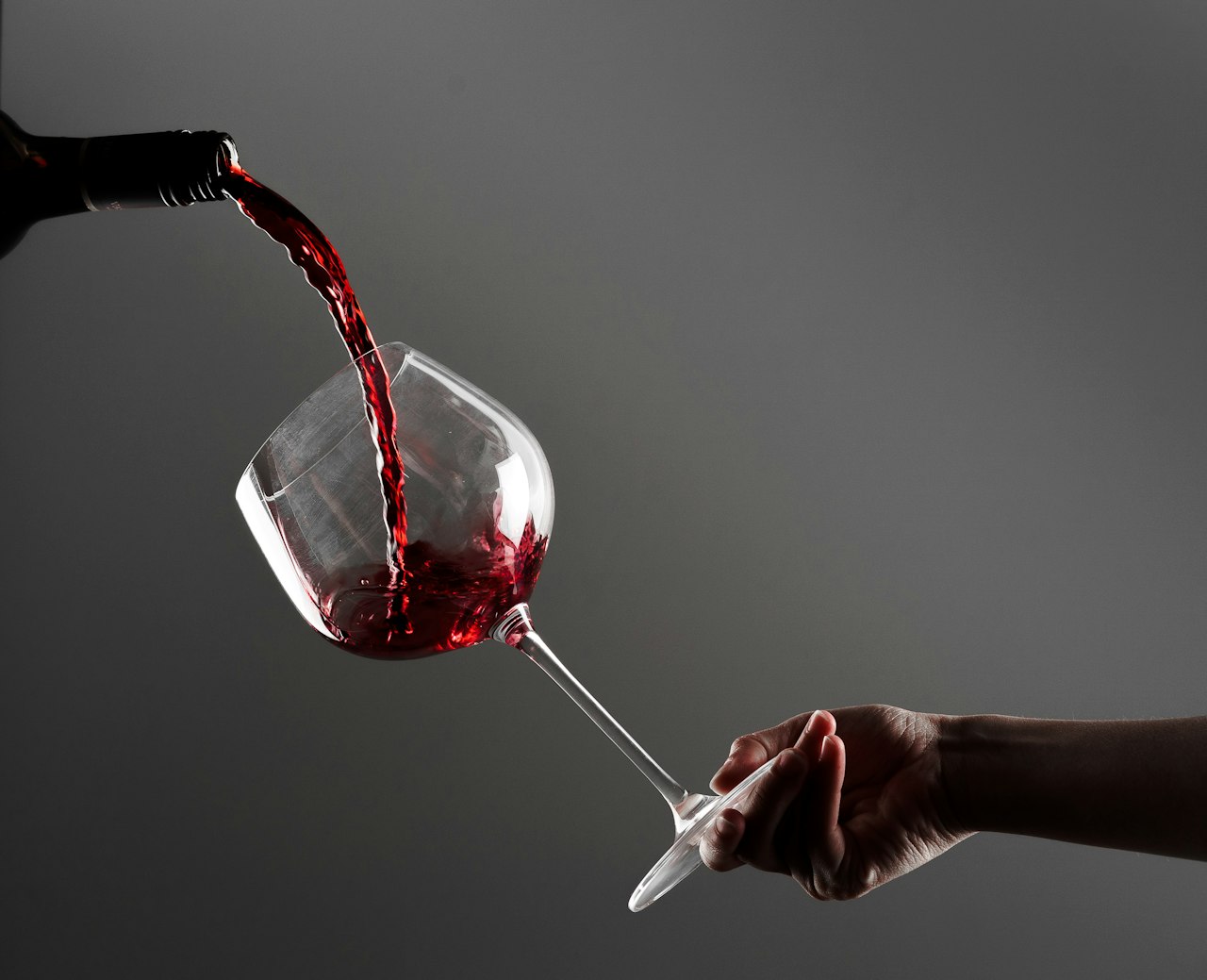
What makes a red wine sweet
All wine starts sweet. Grapes arrive at the winery full of sugar, and fermentation is simply yeast eating that sugar and turning it into alcohol. Leave the yeast to finish and you get a dry wine, one with almost no sugar left. Sweetness happens when a winemaker interrupts that process, so some sugar survives. The amount that survives is called residual sugar, usually measured in grams per liter, and it is the single number that decides where a wine sits on the sweet scale.
There are four main ways a red ends up sweet. The winemaker can stop fermentation early by chilling the tank or filtering out the yeast, leaving fruity sugar in place, which is how most off-dry Lambrusco and sweet red blends are made. They can fortify the wine by adding grape spirit mid-fermentation, which kills the yeast while sugar remains and pushes alcohol up to around 18 to 22 percent, the method behind Port and Banyuls. They can dry the grapes first, the passito method, concentrating sugar before fermentation even begins, as in Recioto della Valpolicella. Or they can pick late-harvest grapes so ripe and sugar-heavy that the yeast gives up before the sugar runs out. Each route leaves a different kind of sweetness, from light and spritzy to thick and syrupy.
The sweetness spectrum, from barely to lusciously
Dryness and sweetness are a sliding scale, not an on-off switch. A wine most people call sweet still has tannin, acidity, and structure underneath the sugar. Here is roughly where the red styles fall, with residual sugar as the guide.
| Level | Residual sugar | Red examples | How it reads |
|---|---|---|---|
| Dry | Under 10 g/L | Cabernet Sauvignon, Chianti, most Pinot Noir | No perceptible sweetness, just fruit |
| Off-dry | 10 to 30 g/L | Lambrusco Amabile, many sweet red blends | A clear touch of sweetness, still food-friendly |
| Sweet | 30 to 80 g/L | Lambrusco Dolce, Brachetto d’Acqui, Ruby Port | Openly sweet and fruity, easy to sip alone |
| Lusciously sweet | 80 g/L and up | Recioto della Valpolicella, Vintage Port, Mavrodaphne | Rich and dessert-like, made for small pours |
If you want the full picture across every color of wine, our wine sweetness scale maps the same idea from bone dry to liquid dessert, and dry versus sweet wine explains why a wine can taste sweet even when the lab says it is dry.
The styles of sweet red wine
This is where it gets fun. Sweet red is not one wine, it is a dozen traditions, each with its own region, grape, and personality. These are the ones worth knowing.
Lambrusco
Emilia-Romagna, Italy
The famous fizzy red. Made from the Lambrusco grape around Modena, it comes dry (Secco) to sweet (Dolce), with the off-dry Amabile in between. Bright berry fruit, gentle bubbles, low alcohol. Look to Medici Ermete or Cleto Chiarli for the real thing.
Brachetto d’Acqui
Piedmont, Italy
Lightly sparkling, low in alcohol, and intensely aromatic, all strawberry and rose petal. Banfi’s Rosa Regale is the benchmark bottle and a perfect introduction to sweet red.
Sweet red blends
California and beyond
The category that made sweet red mainstream. Soft, jammy, off-dry blends like Apothic Red, Stella Rosa, and Jam Jar Sweet Shiraz. Not traditional, but honest crowd-pleasers with real fruit.
Late-harvest Zinfandel
California
Zinfandel picked super ripe keeps a sweet, brambly, almost jammy edge. A natural sweet red with higher alcohol and flavors of blackberry, fig, and sweet spice.
Recioto della Valpolicella
Veneto, Italy
The sweet ancestor of Amarone, made from Corvina grapes dried for months before pressing. Deep, velvety, and rich with cherry and raisin. Allegrini and Masi are trusted names.
Port
Douro Valley, Portugal
The classic fortified sweet red. Ruby is young and fruity, Tawny is nutty and aged, Late Bottled Vintage is the great-value middle, and Vintage Port is the cellar legend. Graham’s, Taylor’s, and Dow’s lead the field.
Banyuls and Maury
Roussillon, France
France’s answer to Port, fortified Grenache from the Mediterranean coast. Sweet, warm, and faintly chocolatey, which makes them the textbook match for dark chocolate.
Mavrodaphne of Patras
Peloponnese, Greece
A fortified Greek sweet red of raisin, coffee, and dried fig. Inexpensive, ageworthy, and one of the best-kept secrets in the sweet wine world.
Three sweet reds to try tonight
If you are standing in a wine shop and want a sure thing, here is a pick at three levels. Each names a real bottle style you can actually find.
How to serve sweet red wine
Temperature is the make-or-break detail, and most people get it wrong by serving sweet red too warm. Light, fizzy styles like Lambrusco and Brachetto want a real chill, around 45 to 50 degrees, which keeps them refreshing and stops the sweetness from feeling heavy. Richer fortified reds like Port and Banyuls show best slightly below room temperature, around 60 to 65 degrees, cool enough to stay lively but warm enough to release their aromas.
A normal red wine glass is fine for all of them, though small pours are the rule for the rich ones, since two or three ounces of Port goes a long way. One happy bonus of the fortified styles: because the spirit acts as a preservative, an open bottle of Tawny or Ruby Port keeps for weeks in the fridge, unlike a dry red that fades in a day or two.

What to eat with sweet red wine
The golden rule of pairing sweet wine is simple: the wine should be at least as sweet as the food, or the wine will taste thin and sour next to it. Get that right and sweet red becomes one of the most versatile pairing tools you own.
The greatest hits start with dark chocolate and Port, a pairing that works because both are rich and sweet, with the wine’s structure cutting the cocoa. Blue cheese and Port is the savory version of the same idea, salty against sweet. Lighter sweet reds love the table too: Lambrusco is brilliant with pizza, charcuterie, and barbecue, where its sweetness and acidity tame smoke and spice. Brachetto sings with strawberries and fruit desserts. And a chilled sweet red is one of the best partners for spicy food, since sugar calms the heat of Thai, Szechuan, or a spicy taco far better than a dry, tannic red. For a deeper system, our wine pairing generator will match a specific bottle to whatever you are cooking.
Mistakes to avoid
A few easy errors keep people from enjoying sweet red. Serving it warm is the biggest, since heat makes the sugar feel cloying instead of refreshing. Assuming every red blend is sweet is another, because plenty of red blends are bone dry, so read the label or the back-label sweetness note. People also pair sweet red with delicate dishes like plain grilled fish, where the wine bulldozes the food. And many drinkers confuse sweet with smooth: a soft, fruity, low-tannin dry red feels easy, but it is not the same as a wine with real residual sugar. If you want a true sweet red, look for the words Dolce, Amabile, Doux, late harvest, or Port on the bottle.
A short history
Sweet red is older than the dry reds we now treat as default. Port was born in the Douro Valley of Portugal in the 1600s, when British merchants cut off from French wine started fortifying Portuguese reds with spirit so they would survive the sea voyage home, and a global classic was the happy accident. Lambrusco has been the daily wine of Emilia-Romagna for far longer, fizzy and sweet because that is how the local grape and climate wanted it, long before fashion decided dry was sophisticated. Knowing that history makes the category easier to respect: these are not dumbed-down wines, they are traditions that predate the rules.
New to all of this? Start with our guide to wine for beginners, see where sweet red fits among the types of red wine, and if you like sweet styles in general, the white side of the family lives on our Moscato guide. Everything ladders up to the complete guide to wine types.
Not sure which style suits your taste? Take the two-minute quiz and get matched to a bottle, or tell our pairing tool what is for dinner.
Sweet red wine, answered
What is a sweet red wine?
A sweet red wine is a red with noticeable residual sugar, meaning natural grape sugar is left in the wine instead of fully fermenting into alcohol. Styles range from lightly sweet and fizzy, like Lambrusco Dolce, to richly sweet and fortified, like Port. The sugar softens tannin, which makes sweet reds the most approachable reds for new drinkers.
What is the sweetest red wine?
Among reds, the sweetest are Recioto della Valpolicella, Vintage Port, and Greek Mavrodaphne, which can carry well over 100 grams of sugar per liter. Vintage Port tastes balanced rather than syrupy because its alcohol and structure hold the sweetness in check, but by the numbers these dried-grape and fortified reds top the scale.
Is Lambrusco a sweet red wine?
It can be. Lambrusco is made in a range of styles, from fully dry Secco to openly sweet Dolce, with off-dry Amabile in between. The popular fizzy version most people picture is on the sweet side, but always check the label, because dry Lambrusco is a serious food wine.
What are the most popular sweet red wines?
The most popular are Lambrusco, sweet red blends like Apothic Red and Stella Rosa, Brachetto d’Acqui, and Port. Late-harvest Zinfandel and Italian Recioto round out the list. They span fizzy and light to dark and fortified, so there is a popular sweet red for almost any taste.
Are sweet red wines good for beginners?
Yes. Sweet reds are among the best starting points in wine because the residual sugar softens the tannin and acidity that newcomers find harsh. Low-alcohol, fruity styles like Lambrusco Dolce and Brachetto are gentle, easy to like, and a comfortable bridge toward drier wines later.
What food pairs with sweet red wine?
Sweet red shines with dark chocolate, blue cheese, barbecue, charcuterie, and spicy food, since the sugar tames heat and balances salt. The key rule is that the wine should be at least as sweet as the dish, which is why Port with chocolate works and a sweet red with plain grilled fish does not.
Does sweet red wine have more sugar and calories?
It has more residual sugar than a dry red by definition, and the richest fortified styles like Port are also higher in alcohol, so they carry more calories per ounce. Light sweet reds like Lambrusco are modest, though, and because the rich ones are served in small pours, a typical serving is not as heavy as it sounds.
How can you tell if a red wine is sweet before buying?
Look for label clues. Words like Dolce, Amabile, Doux, late harvest, Port, Recioto, or Brachetto signal sweetness, and many modern back labels print a dry-to-sweet scale. Grape and region help too: Lambrusco, Brachetto, and fortified reds lean sweet, while Cabernet, Chianti, and most Pinot Noir are dry.