
Riverbench Vineyard and Winery
A grower turned producer farming Chardonnay and Pinot Noir on the Santa Maria Bench since 1973, whose fruit built other wineries reputations for decades before the estate started keeping the best rows for itself in 2006.
Fifty years on the Santa Maria Bench
Riverbench Vineyard was established in 1973, when the first Chardonnay and Pinot Noir went into the ground on the bank of the Sisquoc River, a stretch of the Santa Maria Valley known as the Santa Maria Bench. For decades, some of the most renowned wineries on the Central Coast bought Riverbench fruit for their own labels.
In 2006 the estate began producing its own wines in limited quantities, and it has stayed deliberately small since. The vineyard today holds 115 acres of Pinot Noir and 15 acres of Chardonnay, with blocks planted in the early 1970s still being evaluated vine by vine, replanted where needed and nursed along where the old vines still deliver.
The sparkling program
In 2008 Riverbench committed to premium sparkling wine, growing fruit in the image of Champagne rather than adapting still wine lots after the fact. In 2015 it added Pinot Meunier, the third great Champagne grape, and by 2019 it was pouring the first Santa Barbara County sparkling Pinot Meunier in its tasting flights. Alongside the brut and blanc de blancs bottlings, that makes this one of the more serious sparkling houses in the county. For wider context see our guide to the Santa Maria Valley.
Winemaker Clarissa Nagy, who started working with Pinot Noir in 1995 and trained at Cal Poly before a career across notable Central Coast cellars, leads the winemaking. Jim Stollberg, a UC Davis graduate, has managed the vineyard since 2006. The estate is SIP Certified sustainable and a Green Business Network member.
The wines
Small lot Chardonnay, Pinot Noir and methode traditionnelle sparkling wines, all estate grown. Every wine below links straight to the winery.
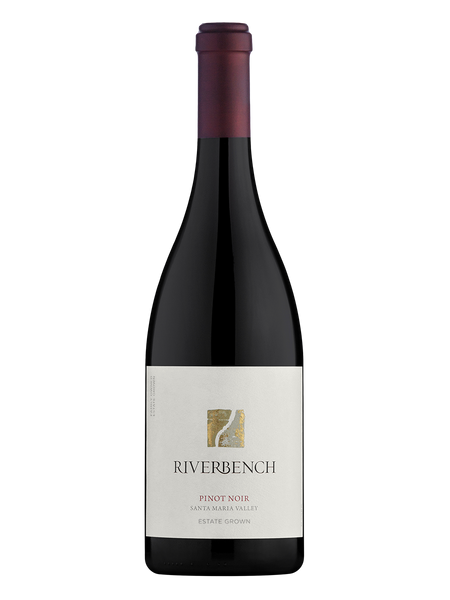 2025 Estate Pinot NoirSanta Maria ValleyView at the winery ›
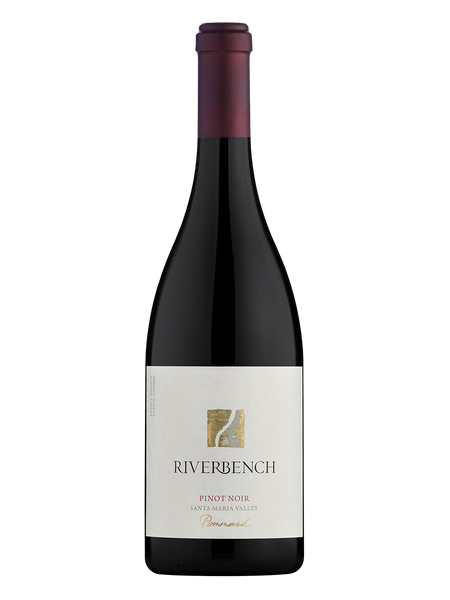 2023 Pommard Pinot NoirSanta Maria ValleyView at the winery ›
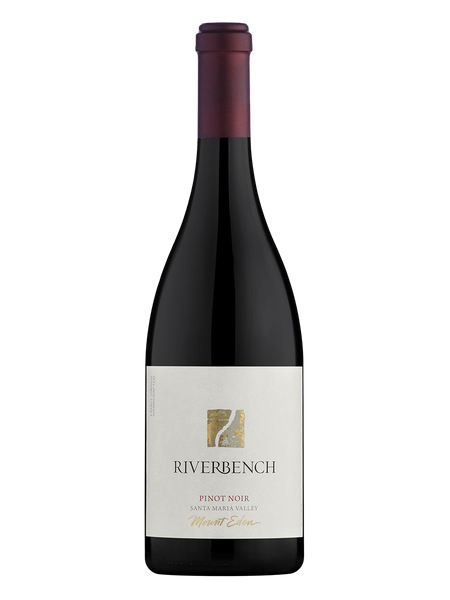 2022 Mount Eden Pinot NoirSanta Maria ValleyView at the winery ›
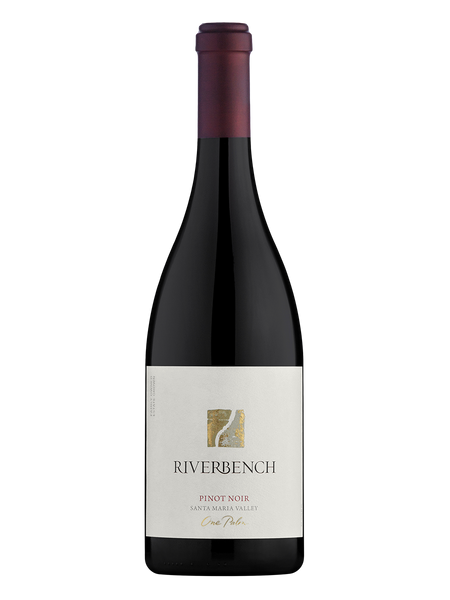 2022 One Palm Pinot NoirSanta Maria ValleyView at the winery ›
 2022 Clone 115 Pinot NoirSanta Maria ValleyView at the winery ›
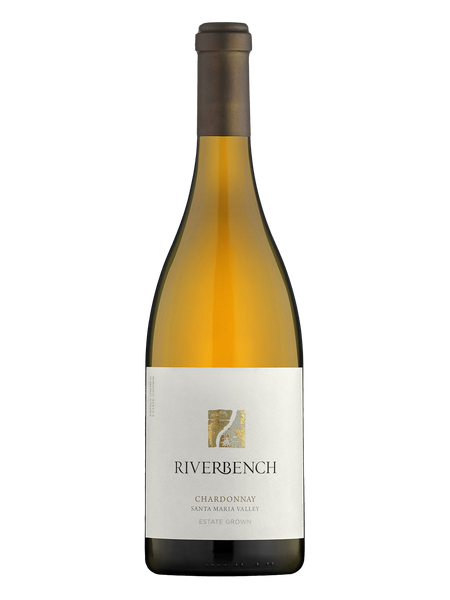 2023 Estate ChardonnaySanta Maria ValleyView at the winery ›
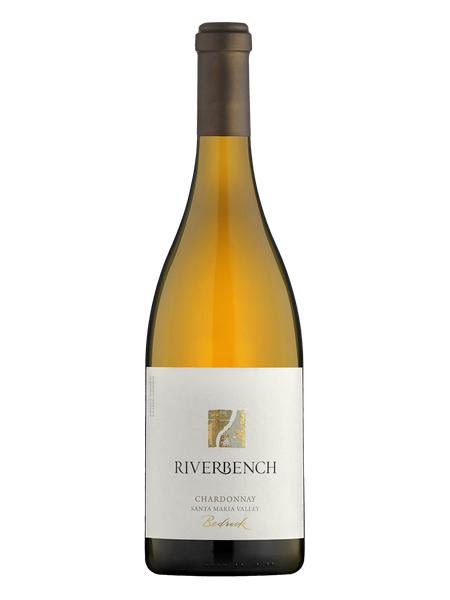 2023 Bedrock ChardonnaySanta Maria ValleyView at the winery ›
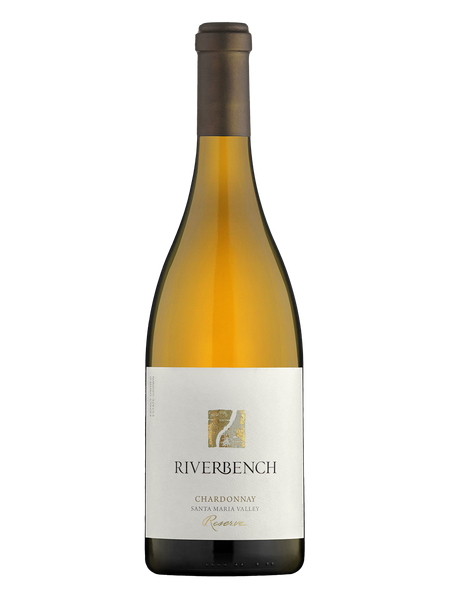 2021 Reserve ChardonnaySanta Maria ValleyView at the winery ›
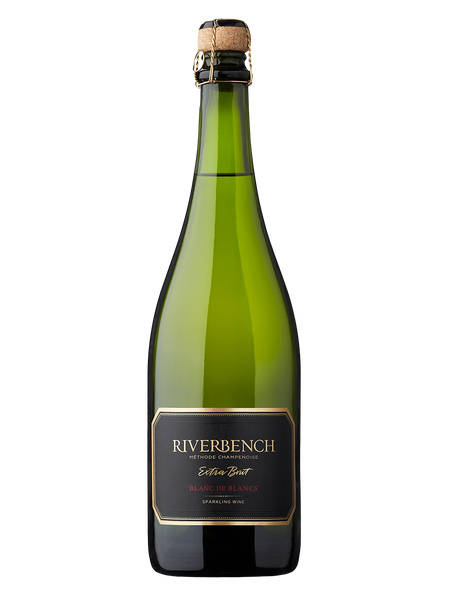 2018 Extra BrutSparkling, Santa Maria ValleyView at the winery ›
 2019 Brut RoseSparkling, Santa Maria ValleyView at the winery ›
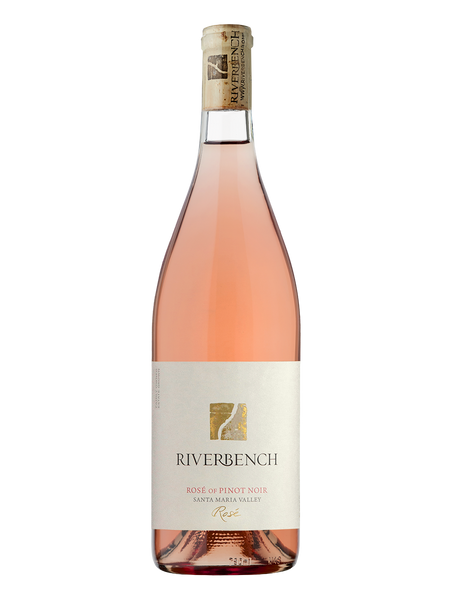 2025 Rose of Pinot NoirSanta Maria ValleyView at the winery ›
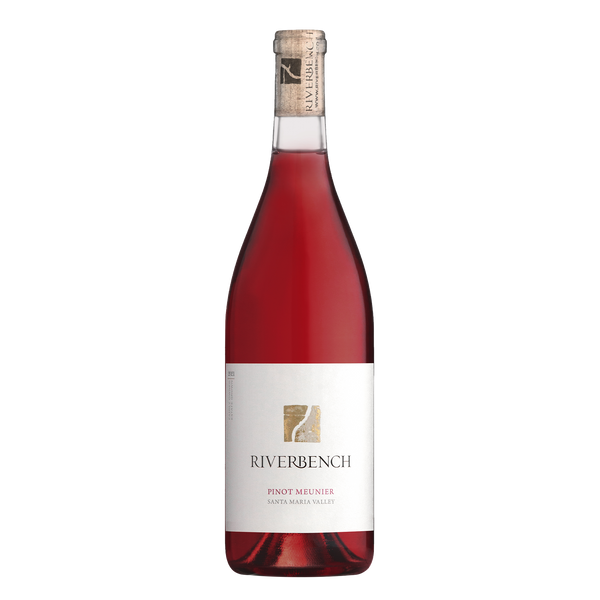 2025 Pinot Meunier NouveauSanta Maria ValleyView at the winery ›
The complete current release list is on the Riverbench shop.
Visiting Riverbench
Riverbench runs two tasting rooms. The estate tasting room sits on Foxen Canyon Road in the Santa Maria Valley, surrounded by the vineyard itself. The second is in the Funk Zone, the walkable tasting district by the beach in downtown Santa Barbara, which makes Riverbench one of the easiest Santa Maria Valley producers to taste without driving north. Reservations are recommended at both.
Frequently asked questions
Where is Riverbench?
The estate and main tasting room are at 6020 Foxen Canyon Road in the Santa Maria Valley. There is a second tasting room at 137 Anacapa St in the Funk Zone in downtown Santa Barbara.
Do I need a reservation?
Reservations are recommended at both tasting rooms and can be booked through the winery website.
How old is the vineyard?
The first Chardonnay and Pinot Noir were planted in 1973 on the bank of the Sisquoc River. Some blocks from the early 1970s are still producing, and the estate replants others as the old vines fade.
When did Riverbench start making its own wine?
In 2006. For the three decades before that, Riverbench sold its fruit to other well known Central Coast wineries.
What is special about the sparkling wines?
Riverbench committed to a dedicated sparkling program in 2008, added Pinot Meunier vines in 2015, and poured the first Santa Barbara County sparkling Pinot Meunier in its flights starting in 2019.
Who makes the wine?
Clarissa Nagy, who began working with wine in 1995, studied at Cal Poly and started her career at Edna Valley Vineyards before joining Riverbench.
Is the vineyard sustainable?
Yes. Riverbench is SIP Certified and a member of the California Green Business Network.
Nearby and related
- Santa Maria Valley the AVA where the estate vineyard grows.
- The Funk Zone the downtown Santa Barbara tasting district, home to the second tasting room.
- Santa Barbara County the wider region and its sub appellations.
- California winery directory every producer we cover.
Information sourced from the Riverbench official website, checked September 2026. Always confirm hours and availability before visiting.