Lodi Wine: AVAs, Old-Vine Zinfandel and What to Drink
California’s quiet giant. Tucked between San Francisco Bay and the Sierra foothills, Lodi grows more winegrapes than Napa and Sonoma combined, and it holds the largest concentration of old, own-rooted Zinfandel vines on earth.
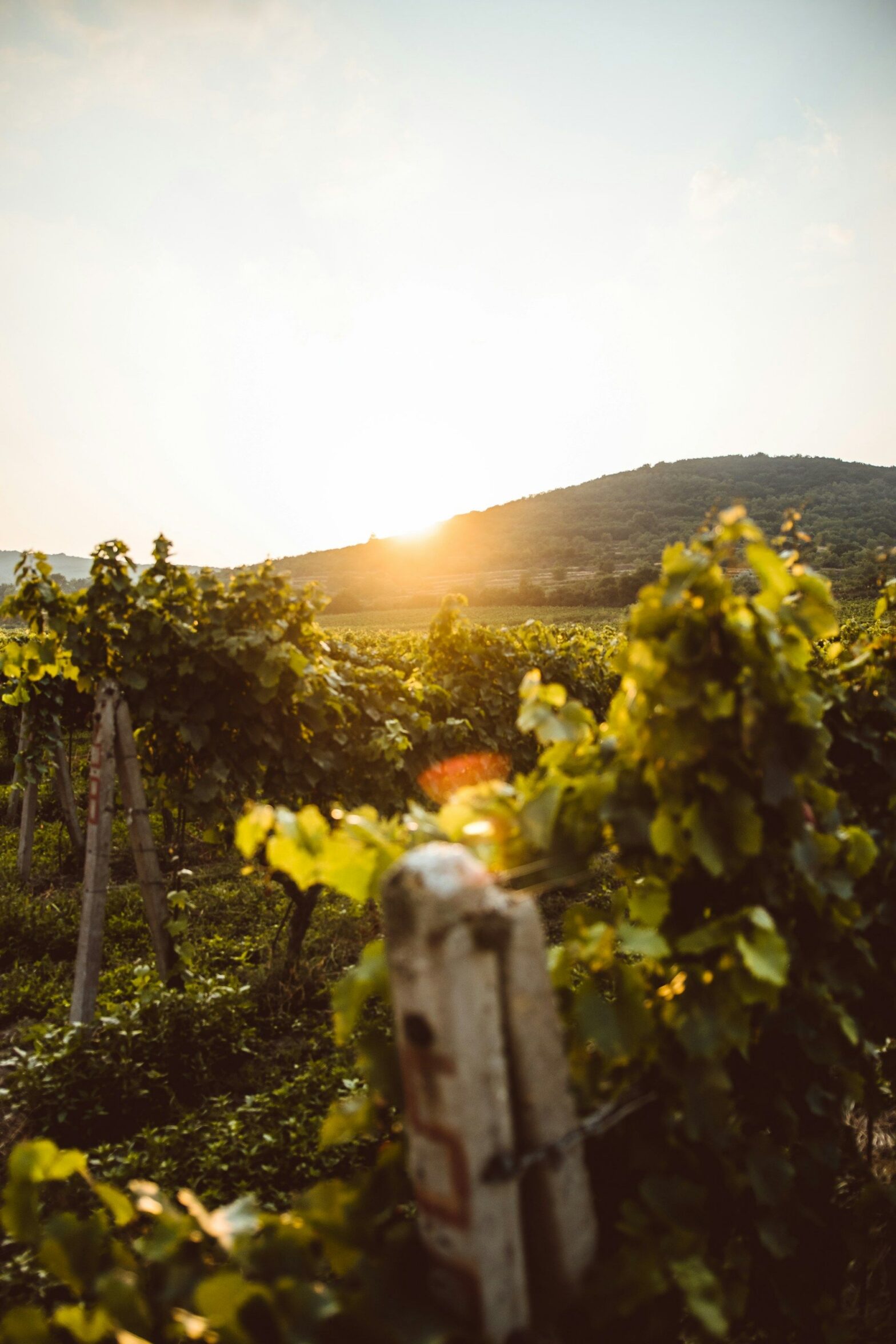
For a century Lodi’s fruit disappeared anonymously into other people’s bottles. Then the world rediscovered what its growers never forgot: gnarled, own-rooted Zinfandel vines, many well over a hundred years old, planted in deep sandy loam and cooled every evening by a breeze off the delta.
A century of vines, then a reckoning
The first vineyards went in during the 1850s, and by the 1880s and 1890s Zinfandel had become Lodi’s most widely planted grape. For generations the region was better known for Flame Tokay table grapes and for shipping trainloads of fruit east, including to home winemakers during Prohibition. Through most of the twentieth century Lodi grapes vanished into bulk and blended wines that carried other regions’ names. Wine writers called Lodi California’s missing link.
The reckoning came when growers began bottling under their own labels and the wine world tasted what those ancient Zinfandel blocks could do. Wine Enthusiast named Lodi its 2015 Wine Region of the Year. Lodi also built the LODI RULES program, California’s original third-party-certified sustainable winegrowing standard, now followed across the region and beyond.
Warm days, delta nights
Lodi sits in a classic Mediterranean climate where growing-season afternoons climb into the upper 90s. What makes it work is the Sacramento and San Joaquin River Delta just to the west. Every afternoon it funnels cool marine air off San Francisco Bay across the vineyards, dropping temperatures ten to twenty degrees before sunset. That nightly swing preserves acidity and aroma, which is why a warm inland region turns out reds that are fragrant and balanced rather than heavy.
The soils tell the rest of the story. On the Mokelumne River floor around the town of Lodi, deep sandy loam drains fast and, crucially, resists phylloxera, which is how so many vines here survive own-rooted and more than a century old. Climb east into the hills and the ground turns to ancient volcanic clay and cobbled, iron-rich benches better suited to Cabernet and Rhone varieties.
Zinfandel’s home, and a hundred grapes more
Zinfandel is the signature and the soul. Lodi is widely called the Zinfandel Capital of the World and grows a large share of all the Zinfandel in California, much of it from head-trained, dry-farmed old vines. The crown jewel is the Bechthold Vineyard, planted to Cinsaut in 1886 and reputed to be the oldest Cinsaut planting in the world, now sought out by winemakers far beyond Lodi.
But Lodi is no monoculture. Growers here farm more than 125 grape varieties, from Spanish Albarino, Tempranillo, Garnacha and Graciano to Rhone, German, Portuguese and Italian grapes. That mix, plus the value and the welcome, is a big part of why Lodi has become one of California’s most interesting places to drink.
By The Popular Wines Tasting Team. Last updated June 2026.
Lodi’s seven AVAs
Mokelumne River
Lodi’s heart and largest sub-AVA. Deep sandy loam on the valley floor around the town of Lodi holds most of the region’s famous own-rooted, head-trained old-vine Zinfandel.
Clements Hills
Rolling eastern hills of ancient volcanic clay. Warmer, well-drained sites that suit Rhone and Spanish reds, and home to Bokisch’s Spanish-variety estate.
Borden Ranch
Terraced foothill benchland climbing toward the Sierra. Cobbly, iron-rich soils favor Cabernet Sauvignon and Rhone varieties.
Jahant
Lodi’s smallest sub-AVA, defined by a distinctive pinkish Rocklin-Jahant loam. A strong delta influence keeps it cooler, good for aromatic whites and reds.
Alta Mesa
Flat, higher terrace ground on the eastern side with reddish clay-loam. Warm and sunny, suited to full-flavored reds.
Cosumnes River
Lodi’s cool northwestern corner near the Cosumnes River and the delta. Lower, wetter and breezier, leaning to whites and lighter reds.
Sloughhouse
The northeastern, highest-elevation AVA, reaching into the foothills. Warm days and big day-to-night swings give full-bodied reds.
The grapes of Lodi
Zinfandel
The signature. Brambly blackberry, baking spice and soft tannins. The old-vine bottlings are the regional benchmark.
Old-Vine Cinsaut
The Bechthold legacy. Pale, perfumed and red-fruited, light on its feet. A quiet cult favorite.
Petite Sirah
Inky and structured, often grown beside Zinfandel and blended with it or bottled on its own.
Cabernet Sauvignon
Ripe and plush from the warmer hillside AVAs. Friendly, fruit-forward and built on value.
Tempranillo and Spanish reds
Lodi’s Iberian frontier, led by Bokisch. Tempranillo, Garnacha and Graciano feel right at home.
Albarino
Crisp, citrusy and faintly saline. The white that became a Lodi calling card.
Chardonnay and Sauvignon Blanc
Dependable, fresh, fruit-forward whites grown across the valley floor.
Rhone and beyond
Syrah, Grenache, Viognier and more, part of a portfolio that now tops 125 varieties.
Lodi wineries to know
Michael David Winery
Mokelumne River. The Phillips family has farmed Lodi since the 1860s and opened the winery in 1984. Their 7 Deadly Zins and Freakshow labels made Lodi a household name, and the farmstand cafe still serves pie beside the tasting room.
Klinker Brick Winery
Mokelumne River. Six generations of the Felten family behind acclaimed old-vine Zinfandels, including the flagship Old Ghost from century-old vines.
Bokisch Vineyards
Clements Hills. Markus and Liz Bokisch pioneered Spanish varieties in Lodi, pouring Albarino, Garnacha, Tempranillo and Graciano from organically farmed hillside estate.
Jessie’s Grove Winery
Mokelumne River. Roots to 1868 and the Spenker family. Old-vine Zinfandel, Carignane and Cinsaut poured in a refurbished barn among ancient oaks.
Harney Lane Winery
Mokelumne River. A fifth-generation grower family bottling estate old-vine Zinfandel and Albarino, long a value benchmark for the region.
LangeTwins Family Winery
Acampo. Fifth-generation grower-vintners and sustainability leaders farming along the Mokelumne with a habitat-restoration ethic.
Oak Farm Vineyards
Mokelumne River. Dan Panella’s estate around a century-old farmstead and heritage oaks. A broad, polished lineup and one of Lodi’s most popular tasting destinations.
Mettler Family Vineyards
Mokelumne River. Five generations of Lodi farming behind estate Cabernet Sauvignon, Petite Sirah and Old Vine Zinfandel.
The Lodi table
Downtown Lodi
Walkable, historic School Street lined with tasting rooms and restaurants, an easy car-free afternoon.
Lodi Wine and Visitor Center
The region’s hub, pouring rotating selections from dozens of producers. A smart first stop.
Wine and Roses
A garden hotel and spa whose Towne House restaurant is a longtime farm-to-table institution.
The Dancing Fox
A downtown bakery, winery and restaurant, good for a relaxed lunch between tastings.
Lodi Lake
A riverside park on the Mokelumne for a walk or a paddle.
Lodi ZinFest
The region’s signature spring celebration of Zinfandel and Lodi wine.
How to choose a Lodi wine
Lodi is about old vines and value. Decide whether you want its signature Zinfandel, something offbeat, or an everyday bargain.
Old-vine Zinfandel
The headliner. Producers like Turley, Klinker Brick, and McCay craft rich, brambly Zinfandel from gnarled vines that are often over a hundred years old.
Rhone, Spanish, and Portuguese grapes
Lodi grows more than a hundred varieties. Chase a Rhone red or white from Acquiesce, or Spanish and Portuguese bottlings from Bokisch for something genuinely different.
Lodi appellation bottlings
Lodi is one of the best-value sources in California. Bottles labeled simply Lodi deliver ripe, generous, crowd-pleasing wine for very little.
Lodi’s bold reds love the grill. Pour the Zinfandel with barbecue, burgers, and smoky, spicy food. For more matches, try our wine pairing generator, and go deeper on the grape in our California Zinfandel guide.
Lodi wine FAQ
What is Lodi known for?
Old-vine Zinfandel above all. Lodi is often called the Zinfandel Capital of the World and is home to some of California’s oldest surviving vineyards, though it now grows more than 125 grape varieties and leads in sustainable farming through the LODI RULES program.
Where is Lodi wine country?
In San Joaquin County, about 40 miles south of Sacramento and roughly 90 miles east of San Francisco, on the inland edge of the Sacramento and San Joaquin river delta between the Bay and the Sierra foothills.
Is Lodi only Zinfandel?
No. Zinfandel is the signature, but Lodi grows over 125 varieties, including Spanish grapes like Albarino and Tempranillo, Rhone varieties, and a long list of whites and reds from around the world.
How does Lodi compare to Napa?
Lodi offers old vines, family farms and approachable, fruit-forward wines at a fraction of Napa’s prices. It trades prestige and polish for value, history and a relaxed, grower-driven feel.
When should I visit Lodi?
Spring and fall are ideal, with mild weather and events like ZinFest. Start at the Lodi Wine and Visitor Center, then explore tasting rooms downtown and across the Mokelumne River AVA.
Not sure what to pour?
Take the 60-second quiz or build a pairing for tonight’s dinner.
Find your wineBuild a pairing