Wine Body Explained: Light, Medium, and Full
Body is the word sommeliers reach for most and beginners understand least. It is not about flavor at all. It is about weight, the simple sense of how heavy a wine feels on your tongue, and it is easier to grasp than it sounds.
Pour a glass of crisp Pinot Grigio and a glass of oaked Napa Chardonnay side by side. Taste the first, and it darts across your tongue and leaves cleanly, like cold water with a squeeze of lemon. Taste the second, and it spreads, coats, and stays, closer to warm cream than to water. Same category, white wine, but two completely different sensations of weight. That sensation has a name, and it is one of the most useful words in all of wine: body. Once you can feel it, you can predict how almost any bottle will behave at the table, in the glass, and on your palate, long before you read a single tasting note.
What body actually is, and what creates it
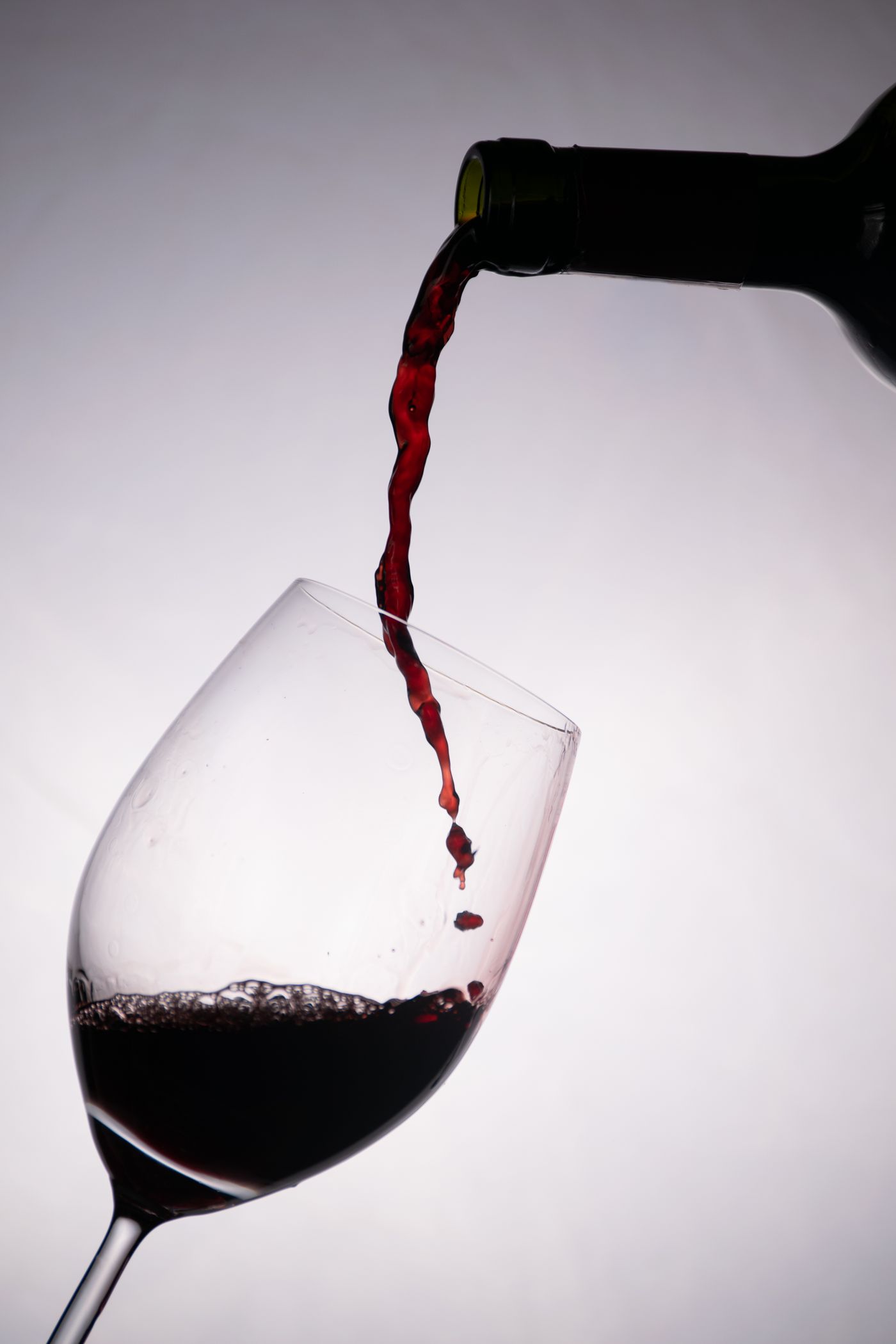
Body is a tactile impression, not a taste. Your tongue does not have a receptor for body the way it has for sweet or sour. Instead, your mouth reads weight and viscosity, the same machinery that tells skim milk from cream or black coffee from a latte. Wine that feels thin, quick, and watery reads as light bodied. Wine that feels thick, round, and mouth filling reads as full bodied. Medium sits in between, the 2 percent milk of the wine world.
Several measurable things drive that impression, and alcohol is the biggest lever. Ethanol is heavier and more viscous than water, so the more of it a wine carries, the fuller it feels. As a rough guide, wines under about 12.5 percent alcohol skew light, 12.5 to 13.5 percent tends to read medium, and anything above 13.5 to 14 percent usually feels full. Residual sugar adds weight too, which is why a sweet Riesling can feel plush even at modest alcohol. Tannin, the drying, grippy compound from grape skins, seeds, and oak, adds structure and density to reds. So does extract, the catch all term for the dissolved solids left after the water and alcohol, including color compounds, minerals, and acids that pack more matter into every sip. Glycerol, a natural byproduct of fermentation, contributes a subtle slipperiness and roundness. And oak aging layers in texture, vanilla driven richness, and tannin that all push a wine toward fuller.
This is why body and flavor are not the same thing. A wine can be intensely flavored yet light, like a fragrant cool climate Riesling, or quiet in aroma yet heavy, like a plush warm climate Chardonnay. Body answers how much wine you feel, not how much you smell.
The body spectrum: light, medium, and full at a glance
Here is the whole map in one place, reds and whites across the three weights, with the alcohol range that usually goes with each and a few benchmark grapes to anchor your memory.
| Body | Feel and alcohol | Benchmark reds | Benchmark whites |
|---|---|---|---|
| Light | Delicate, fresh, quick to leave. Often under 12.5 percent alcohol, higher acidity. The skim milk of wine. | Pinot Noir, Gamay (Beaujolais), Schiava, light Grenache | Pinot Grigio, Riesling, Muscadet, Albarino, Vinho Verde |
| Medium | Balanced weight, neither thin nor heavy. Roughly 12.5 to 13.5 percent alcohol. The whole milk of wine. | Merlot, Sangiovese (Chianti), Tempranillo, Barbera, Cabernet Franc | Sauvignon Blanc, unoaked Chardonnay, dry Chenin Blanc, Gruner Veltliner |
| Full | Rich, round, mouth coating, long. Usually above 13.5 to 14 percent alcohol. The cream of wine. | Cabernet Sauvignon, Syrah, Zinfandel, Malbec, Petite Sirah | Oaked Chardonnay, Viognier, Marsanne, Roussanne, oaked white Rioja |
Notice that some grapes can move across the table depending on where they are grown and how they are made. Syrah from a cool corner of the Northern Rhone can read medium to full, while Syrah from warm Barossa is unmistakably full. The grape is a starting point, not a verdict.
Grapes by body, with regions to taste the difference
The clearest way to learn body is to taste the same idea at each weight. Use these as a tasting flight, light to full, and pay attention to the change in texture, not flavor.
Pinot Noir
Light red
The classic light bodied red. Thin skinned, low in tannin, often 12.5 to 13.5 percent alcohol. A village Burgundy or a cool Oregon Willamette Valley bottle feels silky and translucent, almost weightless for a red.
Gamay
Light red
The grape of Beaujolais. Bright, juicy, low tannin, and so light it loves a slight chill. Cru Beaujolais like Morgon or Fleurie adds a touch more grip while staying firmly in light to medium territory.
Merlot
Medium red
Plush fruit and soft, rounded tannin give Merlot a comfortable medium weight. Right Bank Bordeaux such as Saint Emilion can push fuller, while everyday Merlot stays approachable and mid weight.
Sangiovese
Medium red
The backbone of Chianti. High acidity keeps it lively and food friendly at a true medium body, with savory cherry and a dusty, dried herb edge. Brunello di Montalcino is a fuller, more serious expression.
Cabernet Sauvignon
Full red
Thick skins mean high tannin, deep color, and lots of extract. From Napa or Coonawarra it is dense, structured, and full, often above 14 percent alcohol, built to age and to stand up to red meat.
Syrah and Zinfandel
Full red
Warm climate Syrah (Barossa Shiraz) and California Zinfandel both deliver ripe fruit, high alcohol, and a generous, mouth filling texture. Zinfandel in particular can climb past 15 percent, making it one of the fullest reds on the shelf.
Pinot Grigio and Riesling
Light white
Crisp, high acid, low alcohol whites that finish clean and quick. Italian Pinot Grigio and dry German Riesling are the skim milk of the white world, refreshing and never heavy.
Sauvignon Blanc
Medium white
Zippy and aromatic, sitting at light to medium body. Sancerre from the Loire and Marlborough Sauvignon Blanc from New Zealand both have presence and texture without the weight of oak.
Oaked Chardonnay and Viognier
Full white
The fullest whites you will meet. Barrel fermented Napa or Australian Chardonnay gains weight, creaminess, and vanilla, while Viognier from Condrieu brings ripe apricot and an almost oily, full bodied richness.
Three bottles to taste the spectrum
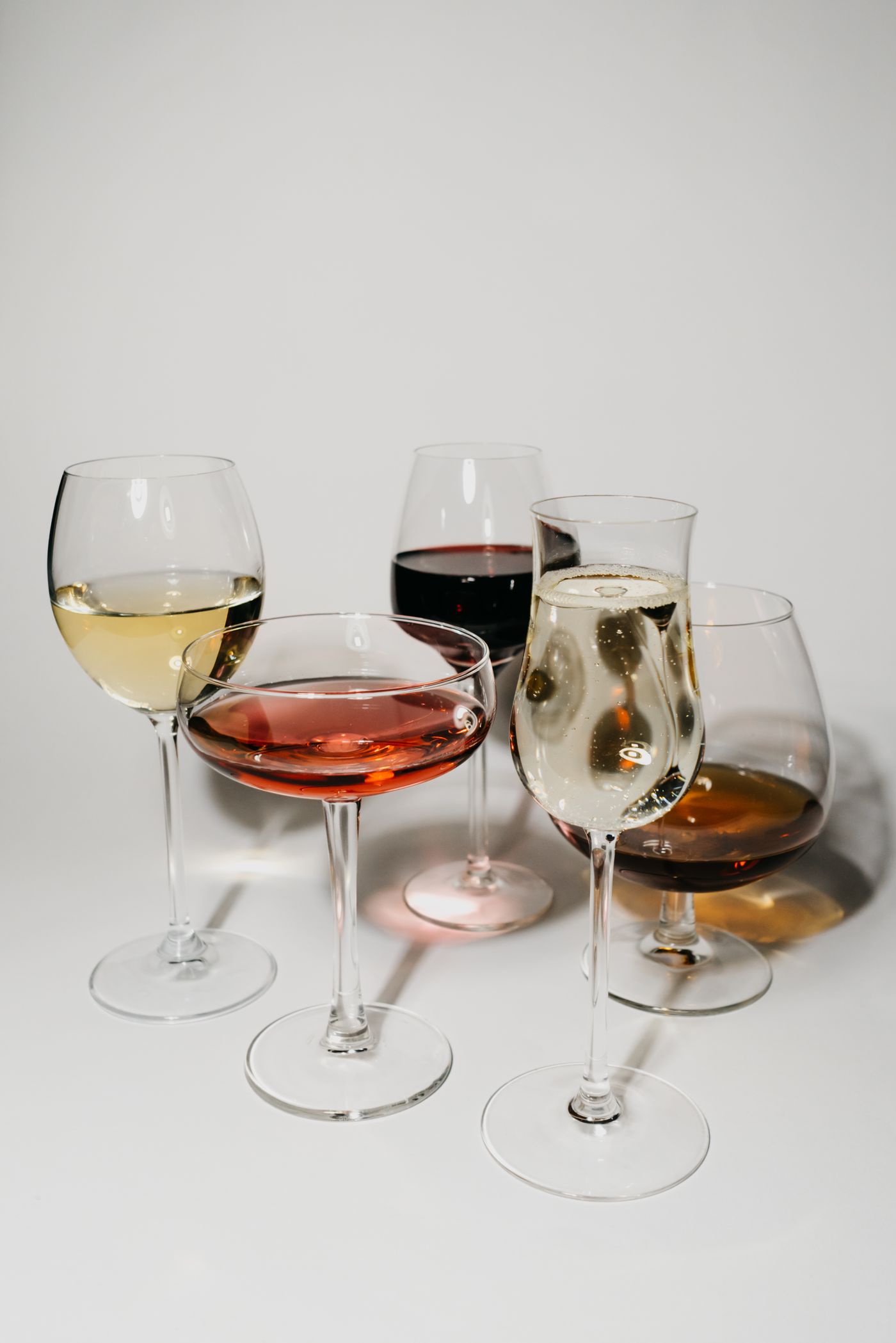
If you want to actually feel light, medium, and full back to back, buy these three and pour them in order. Nothing teaches body faster than a side by side flight.
How to tell body when you are tasting
You already have the tools. Body is something you feel, so put the flavor analysis aside for a moment and pay attention to texture and weight. Take a normal sip and let the wine sit on the middle of your tongue. Ask whether it feels closer to water, to whole milk, or to cream. That single comparison usually settles light, medium, or full on its own.
Three quick checks sharpen it further. First, the swallow. A light wine vanishes almost as soon as it goes down. A full wine leaves a coating that you can still feel after several seconds. Second, the legs. Swirl the wine and watch the tears that run down the inside of the glass. Slow, thick legs point to higher alcohol and glycerol, which usually means more body. Legs are a hint, not proof, but they correlate. Third, the warmth. A gentle heat at the back of the throat signals higher alcohol, and higher alcohol almost always means a fuller wine. None of this requires a trained palate. It requires one slow sip and a moment of attention.
How body changes food pairing and serving
This is where body earns its keep. The golden rule of pairing is to match weight with weight, so the wine and the dish carry roughly the same heft. A delicate sole in lemon butter is overwhelmed by a heavy oaked Chardonnay but sings next to a light Pinot Grigio or a crisp Albarino. A 45 day dry aged ribeye flattens a light Pinot Noir but meets its match in a full Cabernet Sauvignon, whose tannin scrubs the fat off your palate between bites. Get the weights wrong and one partner bullies the other. Get them right and both taste better. Our full method lives in the guide on how to pair wine with food, and our wine pairing generator will match a dish to the right body for you.
Body steers serving too. Light, high acid whites and light reds show best well chilled, around 45 to 55 degrees Fahrenheit, which keeps them crisp. Full reds want a bigger bowl and a warmer pour, roughly 60 to 65 degrees, so the aromatics open and the alcohol does not feel hot. A useful trick from the cool weather pairing world: slightly chilling a light red like Gamay or Pinot Noir makes it feel crisper and tames the alcohol, which is why light reds are such good summer drinking. Glass shape matters as well, since a fuller wine benefits from more air and a wider bowl.
Mistakes to avoid
The most common error is confusing body with sweetness. A bone dry Cabernet is full bodied and not remotely sweet, while an off dry Riesling can be light bodied and clearly sweet. They are separate dials. The second mistake is reading body off color. Deep color often correlates with fuller reds, but Nebbiolo is pale and powerfully structured, so let your palate, not your eyes, make the call. Third, do not assume body equals quality. Plenty of people chase big, full wines because they seem impressive, but a great light Pinot Noir or a precise Chablis is every bit as fine as a blockbuster Cabernet. Finally, do not ignore alcohol on the label. If a wine is 15 percent, it will feel full whether or not the marketing says so, and pairing it with a light salad will not work no matter how the bottle is described.
Why climate writes the rules
Body is not random. It is largely written by climate, because climate decides how ripe grapes get and therefore how much sugar they hold at harvest. Sugar becomes alcohol during fermentation, and alcohol is the main driver of body. Cool regions like Germany, the Loire, Chablis, and coastal Oregon ripen grapes slowly, leaving lower sugar, higher acidity, and lighter, fresher wines. Warm regions like Napa, Barossa, Paso Robles, and much of southern Spain ripen grapes fully, building high sugar, high alcohol, and fuller, rounder wines. This is why the same grape can feel like two different wines. A Chablis Chardonnay is lean and mineral, while a Napa Chardonnay from the identical grape is plush and full. Winemaking choices then fine tune the result, with oak and lees aging adding weight and stainless steel preserving freshness. Understand the climate behind a bottle and you can usually predict its body before you taste it.
Body is one rung on a longer ladder of wine literacy. To see where it sits among the broader categories, start with our pillar on the types of wine. From there, sharpen the skill of feeling weight in the glass with how to taste wine, then explore the weights grape by grape in our guides to red wine types and white wine types. If you are just getting started, wine for beginners walks you in from the very first glass.
Take our quick quiz to find the body, sweetness, and style that fits your taste, then get bottle ideas matched to your answers.
Wine body, answered
What does it mean when a wine is full bodied?
A full bodied wine feels heavy, rich, and mouth coating, similar to cream compared with water. It usually has higher alcohol, often above 13.5 to 14 percent, plus tannin, extract, and sometimes oak that all add weight. Examples include Cabernet Sauvignon, Syrah, Zinfandel, and oaked Chardonnay.
What is the difference between light and full bodied wine?
Light bodied wine feels delicate, fresh, and quick to leave the palate, like skim milk, while full bodied wine feels thick, round, and lingering, like cream. The main difference is alcohol and dissolved solids. Light wines tend to be lower in alcohol with higher acidity, and full wines carry more alcohol, tannin, and extract.
Is Pinot Noir light or full bodied?
Pinot Noir is the classic light bodied red. It has thin skins, low tannin, and moderate alcohol, so it feels silky and almost translucent compared with a Cabernet. Warmer climates can push it toward medium, but it rarely reads as full.
What determines the body of a wine?
Body is driven mainly by alcohol, since ethanol is heavier and more viscous than water. Residual sugar, tannin, extract, glycerol, and oak aging all add weight as well. Climate sits behind all of it, because warmer regions ripen grapes more, raising sugar and therefore alcohol.
Is full bodied wine sweet?
No. Body and sweetness are separate. A dry Cabernet Sauvignon is full bodied and not sweet at all, while an off dry Riesling can be light bodied yet noticeably sweet. Sweetness comes from residual sugar, body comes mostly from alcohol and texture.
What is a medium bodied wine?
A medium bodied wine sits between light and full, with balanced weight and usually 12.5 to 13.5 percent alcohol, like whole milk. Merlot, Sangiovese, Tempranillo, and Sauvignon Blanc are good examples. It is the most food friendly category because it neither overwhelms nor disappears.
How do you tell the body of a wine when tasting?
Take a sip and notice the weight on your tongue, asking whether it feels like water, whole milk, or cream. Then watch how long the texture lingers after you swallow, since a fuller wine coats and stays. Slow, thick legs on the glass and a warm finish both point to higher alcohol and more body.
Does higher alcohol mean fuller body?
Generally yes. Alcohol is the single biggest contributor to body, so a wine at 15 percent will almost always feel fuller than one at 12 percent. Tannin, sugar, and extract add to the effect, but alcohol does most of the work, which is why warm climate wines tend to be fuller.